
Last updated November 4, 2026
 Wrought iron
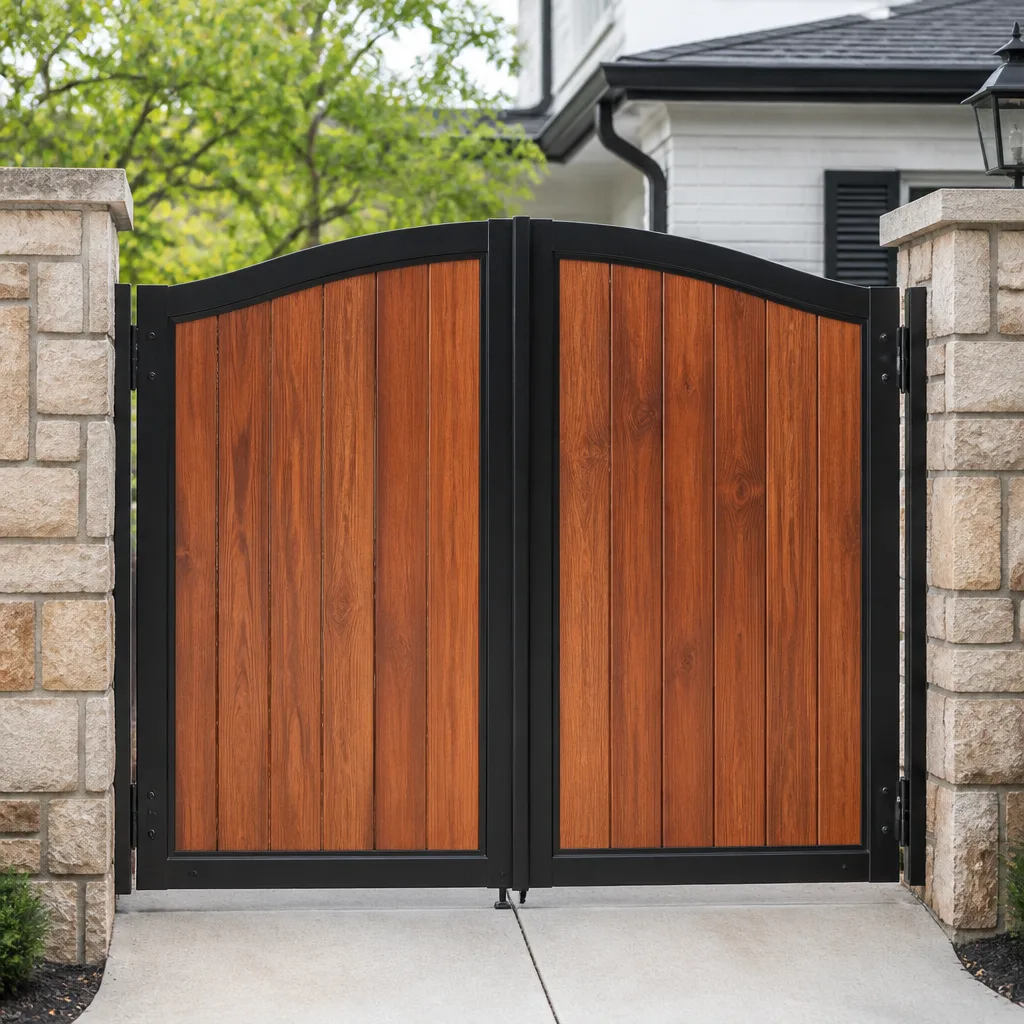 Wood & steel frame
 Farm & ranch
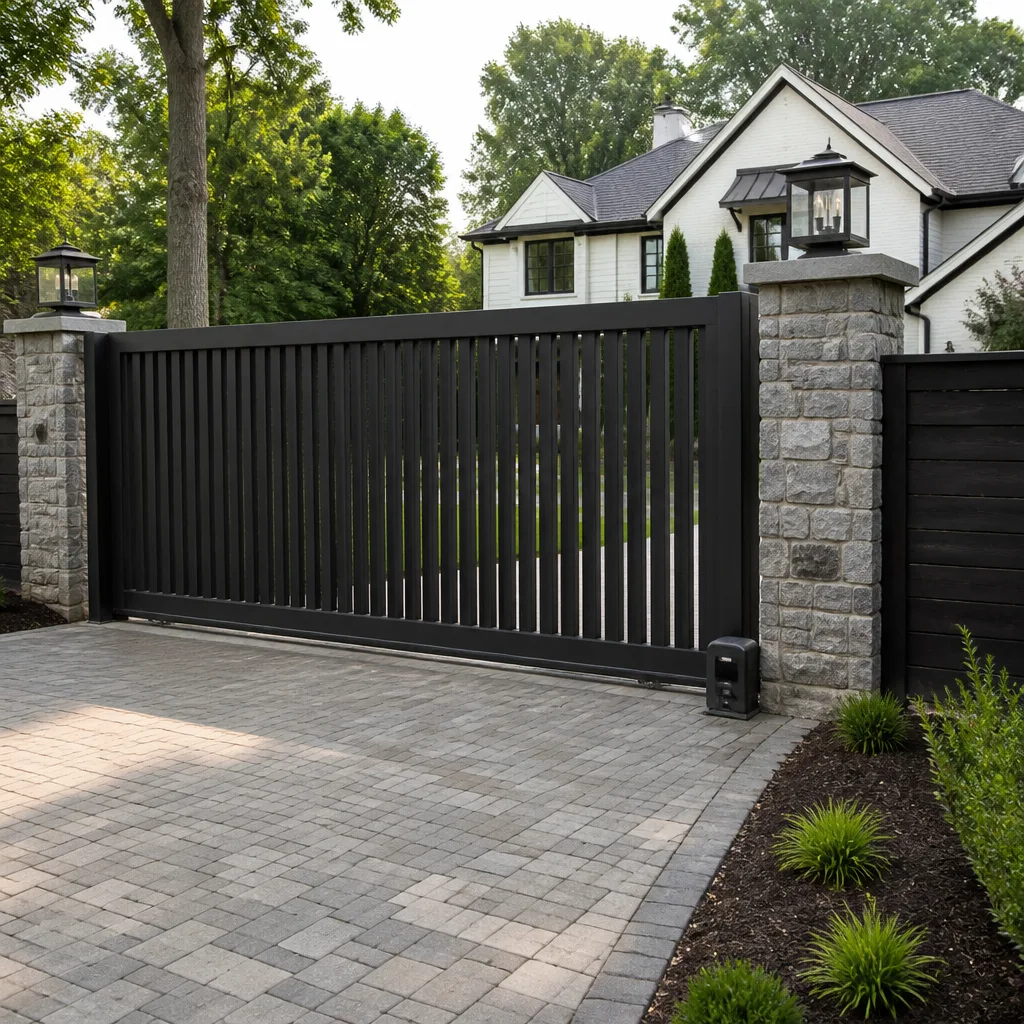 Sliding driveway gates
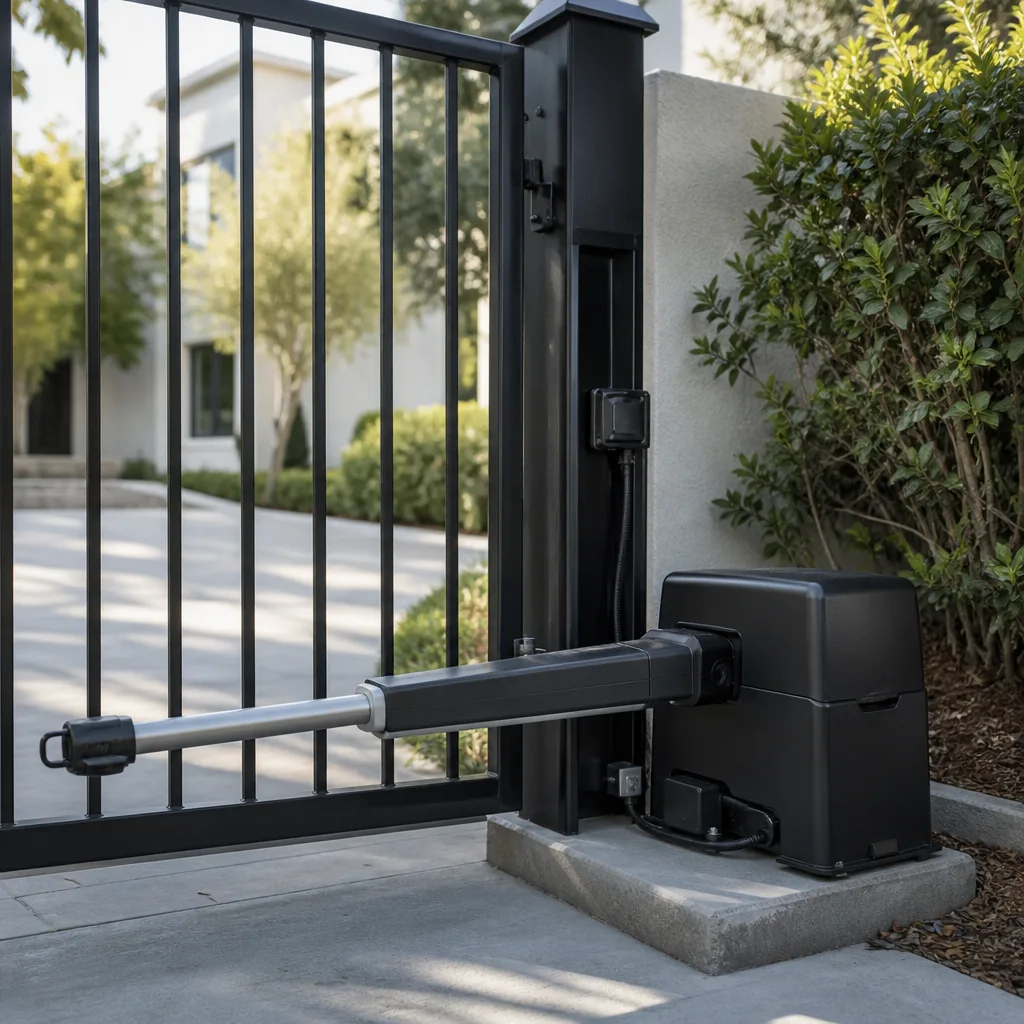 LiftMaster operators
Free on-site gate assessment - hinges, posts, and your LiftMaster or Nice gate operator checked before anything is quoted
The assessment is free and the quote is the invoice.
Get your free estimateGate Repair Warning Signs: A Compton Homeowner’s Reference Guide
Most people think a gate fails all at once. One day it opens, the next it won’t. In our experience tearing down and rebuilding gate systems across Compton, we’ve never seen that happen. Every gate that ends up completely dead first spent weeks or months announcing the problem through a series of small, consistent changes in behavior. The half-second hesitation when you press the remote. The new hum that wasn’t there before. The gate that now reverses three inches before closing. Each one is a specific signal pointing at a specific component, and reading them early is the difference between a same-day repair call and a full operator replacement. This guide is how we read those signals, so you can too.
Quick Answer
Gate failure in Compton almost always announces itself through changes in sound, movement, or error-code behavior before total breakdown. A grinding sound on a slide gate points to track or roller problems, a humming without movement indicates a capacitor or motor fault, and a gate that reverses during closing usually signals a sensor or obstruction issue. Catching these signs early typically turns a four-figure emergency into a targeted repair.
Styles & brands we work with
- Wrought iron
- Wood & steel frame
- Farm & ranch
- Sliding driveway gates
- LiftMaster operators
Table of Contents
- Sound Signals: What Your Gate Is Trying to Tell You
- Movement Signals: Hesitation, Reversing, and Stops
- Reading Error Codes on LiftMaster, Linear, and Viking Operators
- Visual Signs You’re Probably Missing
- When to Schedule and When to Call Now
- Compton-Specific Factors That Affect Gate Wear
- Common Mistakes to Avoid
- When to Call a Professional
Sound Signals: What Your Gate Is Trying to Tell You
Sound is the most reliable warning system a gate has, and it’s the one homeowners most often tune out. A gate that has worked quietly for years develops a new noise, and after a week it becomes background. But each sound pattern maps to a specific mechanical or electrical condition, and the same sound means different things depending on whether you have a swing gate or a slide gate.
Grinding: Slide vs. Swing
On a slide gate, grinding is almost always a track problem. Compton’s dry, dusty conditions mean the V-track and rollers collect grit that acts like sandpaper. The gate is literally grinding material off its own wheels and track. Left unaddressed, the wheels develop flat spots, then the gate starts bouncing, then the motor strains against the added friction until it burns out. On a swing gate, grinding at the hinge is less common because the hinge doesn’t rotate through the same debris field, but when it happens it usually means a hinge pin has worn enough to let the gate leaf sag and rub against the post or the ground. Both are fixable. Neither fixes itself.
Clicking: Electrical, Not Mechanical
Clicking is the sound of the operator trying to engage and failing. On LiftMaster and Linear operators, a rapid click-click-click when you press the remote means the control board is sending the command but the motor isn’t answering. That points to a capacitor problem on older units or a relay failure on newer ones. On Mighty Mule swing operators, a single click at the arm means the arm’s internal limit switch is stuck or the arm itself has stripped a gear. The click is the gear jumping.
Humming Without Movement
This is the most specific sound a gate makes, and it’s almost never ambiguous. The operator is receiving power. The control board is calling for movement. The motor is energized and trying to turn. But the gate isn’t moving. That means either the capacitor has failed and the motor can’t get the starting torque it needs, or something is physically holding the gate in place. On a slide gate, check for a rock or debris in the track. On a swing gate, check whether the leaf is bound against the ground. If both are clear, the capacitor is the prime suspect. This is a do-not-ignore signal: a humming motor that can’t turn is drawing locked-rotor current, and that overheats the windings. You have a short window before the motor cooks itself.
Squealing: Belt, Pulley, or Arm
A squeal that rises in pitch as the gate moves is a belt problem. Chain-driven operators rattle; belt-driven ones squeal. On a slide gate with a belt-drive operator, a loose belt slips on the drive pulley and shrieks. On chain operators, that same tightening problem shows up as a rattle with a rhythmic pattern. On FAAC swing operators with hydraulic or electromechanical arms, a squeal at the piston seal is a hydraulic leak beginning. The squeal is the pump working against lost pressure.
Movement Signals: Hesitation, Reversing, and Stops
Movement problems are almost never random. A gate doesn’t decide to act differently. When the motion changes, something mechanical or electrical is loading up, and the specific change tells you which system to look at.
The Half-Second Hesitation
You press the remote and the gate pauses. Just for a beat. Then it starts. That pause is the operator drawing more current to overcome resistance before the motor gets the gate moving. It means something is creating friction: a dry hinge on a swing gate, a dirty track on a slide gate, a wheel going bad. The motor is working harder at startup than it did when your system was healthy. That increased draw generates heat, shortens motor life, and eventually trips the thermal overload. In Compton, where summer temperatures regularly push past 90 degrees, that added heat matters. The hotter the motor runs, the earlier it fails.
Reverse-on-Close
A gate that starts closing, then immediately reverses, is telling you that the entrapment protection system has detected something. On older gates, that means a physical obstruction: a rock, a branch, or a shift in the ground that has changed the gate’s clearance. On newer gates with electric gate repair systems, the obstacle detection works through the operator’s current sensing, and an obstruction that’s too small to see can still trip it. The issue is that a twig can trigger a false reading, and over time the owner just starts holding the remote button down to force it closed, which defeats the safety system and masks a real mechanical problem.
Slow Travel Speed
A gate that used to take eight seconds and now takes twelve is a gate under load. On a slide gate, the usual cause is debris in the track or worn wheels adding rolling resistance. On a swing gate, it’s usually a hinge binding or an operator arm that’s losing travel because the leaf has sagged. The motor is fighting something, and the slow speed is the visible symptom. It also adds strain to every component downstream: the belt or chain, the gearbox, the control board’s current output.
Stopping Mid-Cycle
A gate that travels partway, stops, and then continues after a pause is hitting a thermal overload. The motor is overheating and the built-in protection is cutting power briefly. The gate then restarts when the motor cools enough. This is a severe warning sign, because each overheat event degrades the windings a little more. If your gate is stopping mid-cycle regularly, you’re watching a motor die in slow motion.
Reading Error Codes on LiftMaster, Linear, and Viking Operators
Modern operators self-diagnose. Most homeowners never read the manual after installation day, but the LED on the control board or the flashing diagnostic light on the operator is broadcasting a specific trouble code. Learning to read it turns a service call into a conversation.
LiftMaster Flash Patterns
- One flash, pause, repeat: Obstruction in the gate’s path or a misaligned photo eye. Check the sensors first; it’s the most common call we get for LiftMaster operators in Compton.
- Two flashes, pause, repeat: The gate is hitting a mechanical jam. The motor drew too much current trying to move, and the board shut it down to protect itself.
- Three flashes, pause, repeat: The reverse sensor or edge sensor circuit is open. On a slide gate, check the safety edge; on a swing gate, check the photo eye wiring at the hinge point, where Comton’s heat can make wire insulation brittle.
- Four flashes, pause, repeat: Limit switch failure or misalignment. The gate doesn’t know where it is, so it won’t run full travel.
- Five or six flashes: Communication fault between the control board and the motor or receiver. This is rarely a DIY fix; the board usually needs the attention of someone who does gate repair daily.
Linear Operator Diagnostics
Linear uses a similar flash-count system, but the meaning differs. On Linear slide gate operators, a continuously flashing red LED means the board is in fault mode and the specific fault is shown by the position of the limit LEDs. A solid green with no movement means the receiver got the command but the interlock loop (usually the loop detector or a safety device) is open. We often find that a Compton property with a Linear operator has a disconnected or failed loop detector after utility work or landscaping, and the gate reads that as “unsafe to move.”
Viking Operators and the Alarm LED
Viking operators use an audible alarm in addition to LED codes. A beeping alarm at the operator means the gate has hit an obstruction and is in fault mode. A solid alarm with no gate movement means a motor overload. A fast-flashing diagnostic LED means a battery or charging system failure on gate models with backup battery, which is more common on commercial configurations in Compton than residential. The first diagnostic step on any Viking is to count the beeps and note whether they’re steady or pulsing; that alone cuts the diagnosis time in half.
One word of caution on error codes: always cut AC power at the breaker before opening any operator cover. The control board terminals carry line voltage even when the gate isn’t moving. Reading codes is safe. Poking around the board isn’t.
Visual Signs You’re Probably Missing
Some of the most useful warning signs never make a sound. They appear quietly and get overlooked because they don’t interrupt daily use, until the day they do.
Hairline Cracks in Welds
Steel gates in Compton live in heat and UV, and over the years the paint fails, the metal expands and contracts, and welds start to micro-crack. These tiny fissures look like thread lines in the paint at first. On the bottom rail of a sliding gate, a hairline crack at a weld joint is the start of structural failure. Once the crack propagates, the gate rack loses its alignment with the operator’s drive sprocket, and the motor starts fighting a misaligned load. If you see a crack, don’t weld over it without addressing the root cause; the underlying member is fatigued, and re-welding just moves the problem.
Uneven Ground Clearance
Stand at the latch post and look across the bottom rail of the gate. It should be parallel to the ground. If one end sits higher than the other, the gate has twisted or a hinge has sagged. On a swing gate, uneven clearance means the leaf isn’t closing fully against the stop, which over time bends the latch or the operator arm. On a slide gate, an uneven bottom rail means the gate is riding on its wheels at an angle, which wears the wheel flanges asymmetrically and throws the gate off-track.
Rust Patterns and Water Ingress
Rust on the outside of a hollow steel post is cosmetic. Rust that starts at the bottom edge and migrates upward is a sign that water is pooling inside the post. Compton’s rare but heavy winter rains soak the ground, and if the post base isn’t drained properly, the water wicks up from the footing. The gate looks fine on the outside while the post rots from the inside out. If you tap the bottom of the post with a wrench and it sounds dull instead of ringing, the base is compromised. Schedule an estimate before the post fails completely; once a post snaps at the footing, the gate leaf usually comes down with it.
Stretched Chain or Sagging Belt
On chain-driven slide gates, a chain that hangs below the bottom of the drive sprocket is stretched beyond spec. A stretched chain skates on the sprocket teeth, which strips the sprocket, and now you’re replacing two components instead of one. On belt drives, a belt that’s developed a smooth, glazed underside is slipping, which produces the squeal we covered earlier and burns the pulley surface.
When to Schedule and When to Call Now
Not every warning sign drops everything. Part of being a calm, capable property owner is knowing the difference between a problem that can wait for a measured appointment and one that needs someone at the property the same day.
Schedule a Visit For:
- A new grinding sound that just started and hasn’t gotten worse
- Slow travel speed that’s been consistent for weeks
- A stretched chain or glazed belt you noticed during a walkaround
- Hairline weld cracks with no movement or sagging yet
- An error code that appears occasionally and clears
These are early-stage problems. They’re not going to fail catastrophically tonight, but every day they continue adds wear to the components around them. A grinding track left alone for a month means the gate rolls enough to flat-spot the wheels, and now the repair includes rollers on top of the track cleanup.
Same-Day Attention For:
- A humming operator with no movement (locked-rotor current is cooking the motor)
- A gate that stops mid-cycle repeatedly (thermal overload is tripping)
- A gate that opens but won’t close, or closes but won’t open (failed limit or sensor disabling the system)
- A gate that has come off its track or a swing gate that’s dropped onto the ground
- The smell of burning plastic or ozone near the operator (insulation breaking down on the board or motor)
For any of these, call (866) 569-6161. We answer 24/7. Fast dispatch from 7am to 7pm, Sunday through Friday. The price is quoted and agreed before any work starts, so you’ll know the exact number on the estimate before we turn a wrench.
Compton-Specific Factors That Affect Gate Wear
Compton’s climate and lot characteristics shape how gates fail here in ways that a transplant from a coastal or colder city wouldn’t expect. We see these patterns every week across the city’s residential streets and commercial properties.
Heat is the biggest factor. Compton’s inland summer temperatures stress every electrical component on a gate. Capacitors, which are essentially cans of electrolyte, dry out faster in sustained high heat. When a capacitor fails, it’s rarely in the winter; it’s on the hottest week of August when the operator has been baking in direct sun on a south-facing wall. That’s not a coincidence. Control boards also run hotter here, and heat-related solder joint failures on older boards are a quiet but persistent cause of intermittent gate behavior.
Dust is the second factor. Compton’s dry season means fine airborne grit infiltrates everything: limit switches, motor brushes, gearboxes, track wheels. On slide gates especially, the V-track collects a paste of dust and the light grease that most installers use on the wheels, and that paste becomes an abrasive. We recommend keeping slide gate tracks clear with a broom more often than a coastal homeowner would need to, and it makes a real difference in wheel life.
Soil movement is the third. Much of Compton sits on clay-loam that expands and contracts through wet-dry cycles. Over years, that subtle movement shifts gate posts, changes the gate’s level, and creates binding. A swing gate that worked flawlessly for a decade can start dragging because the land under the gate moved a quarter-inch. If you notice that the gate clearance at the latch post has changed by even a small amount, your gate is telling you the ground has shifted and it’s time to have the post and hinge alignment checked.
Compton also has a high concentration of homes with rear and side-yard gates that double as vehicle access points for trailers, work trucks, and multiple cars. Gates here get more daily cycles than gates in neighborhoods where the driveway gate is ornamental. More cycles means faster wear on operators, and it’s why we see a lot of operators reach the end of their design life sooner here than a manufacturer’s average would suggest.
When we service gates in Compton, we’re not applying a generic checklist. We’re looking at how the location itself ages the equipment, and that local read is part of why we approach every gate repair job with the specific heat, dust, and soil context of this city in mind. It’s also why we say plainly: the same brand and model can last very different lengths of time depending on where it’s installed.
Common Mistakes to Avoid
- Ignoring reduced travel speed because the gate “still works.” A slower gate isn’t a quirk; it’s a loaded motor. Every week of ignored friction costs you motor life that you can’t get back. We see gates in Compton with burned-out motors that had been moving slowly for months before they died.
- Forcing a gate closed when it reverses. Holding the remote button to override a reversing gate defeats the safety system and masks the obstruction. The obstruction doesn’t go away. It just gets ground into the track or the hinge.
- Lubricating without cleaning first. Spraying fresh lubricant onto a dusty track or hinge creates an abrasive slurry that accelerates wear. The right order is clean, then lube. On Compton’s dusty streets, this one mistake shortens component life more than almost anything else homeowners do.
- Power-cycling the operator to clear an error code repeatedly. If an error code returns after you cut power to the operator, the fault is real. Resetting the board doesn’t fix the underlying condition, and in some cases it can mask a failing motor until it locks up completely.
- Adjusting limit switches without checking the mechanical cause first. When a gate stops short of full travel, the limit switch is often working correctly and reporting that the gate can’t travel further because something is in the way or binding. Reprogramming around the mechanical problem leaves you with a gate that never fully opens or closes.
- Treating all gate brands as interchangeable. A LiftMaster slide gate operator doesn’t behave like a BFT hydraulic swing operator, and the diagnostics are different. The fixes are different too. Our team’s familiarity with LiftMaster, FAAC, BFT, Linear, Viking, Ghost Controls, DoorKing, Elite, and Mighty Mule means we diagnose by brand-specific logic, not guesswork. Generic troubleshooting from a non-specialist often creates a second problem while looking for the first.
- Waiting until the gate is completely dead to call. The most expensive gate jobs we quote in Compton are the ones where the owner lived with warning signs for months. A track that needed cleaning became a wheel replacement and a bent rail. A capacitor that needed replacing became a motor. By the time the gate won’t move at all, the simple fix has usually become a compound one.
When to Call a Professional
Some jobs are genuinely safe and sensible for a homeowner: visual inspections, cleaning tracks, checking for obvious obstructions. Others carry risk that isn’t worth taking. Any time you’re opening an operator cover where line voltage is present, any time a gate has come off its track or a swing gate leaf has dropped, any time the error code points to a board or motor fault, call a specialist. A slide gate that’s off its track weighs hundreds of pounds and can crush; a swing gate under tension from a failed operator mount can whip; an electrical fault inside the operator is a shock hazard. These are not weekend projects. At Gate Repair Compton, we handle these systems daily, and we’re glad to walk you through what you’re seeing on the phone before anyone rolls a truck. Free estimates, and the price is agreed before work starts. Call (866) 569-6161.
Frequently Asked Questions
What’s the most common gate problem in Compton?
The most common issue we see in Compton is slide gate track and roller wear caused by dust accum
See the difference
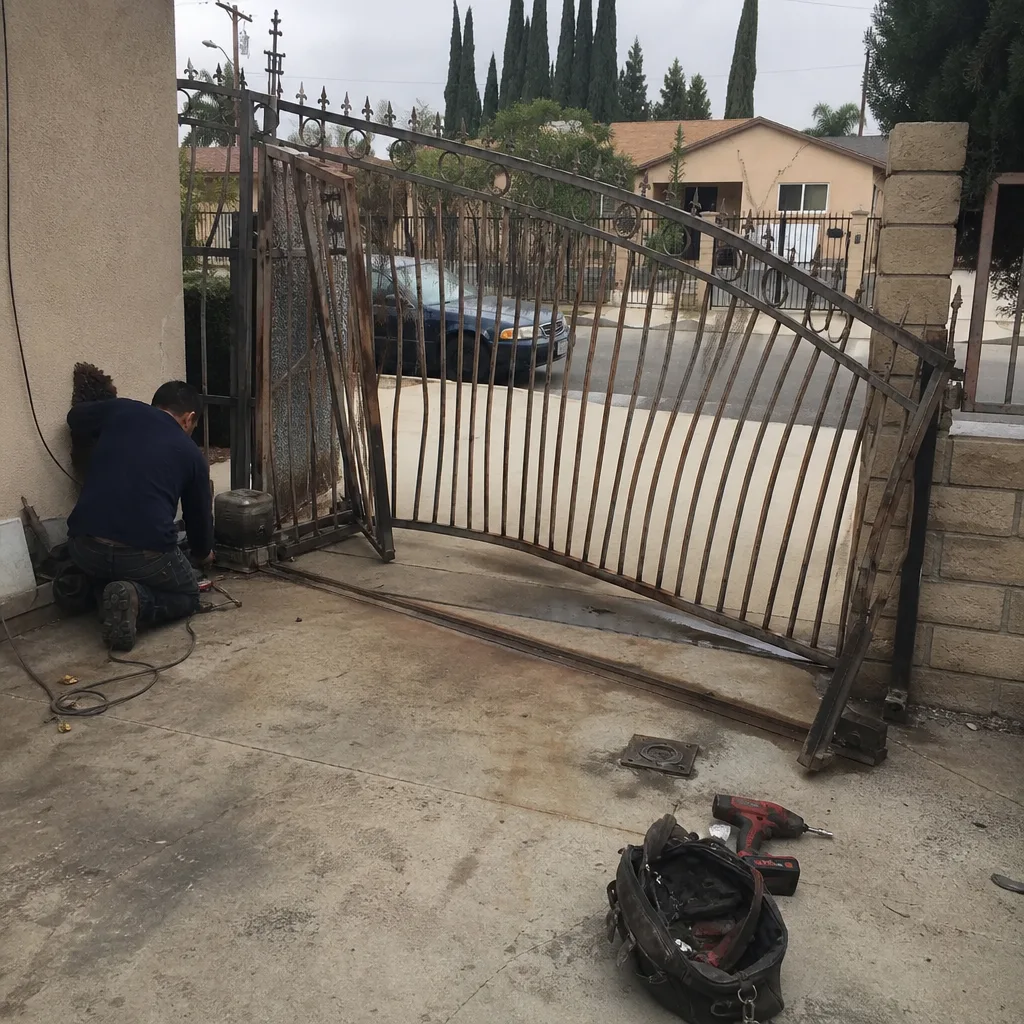 Before
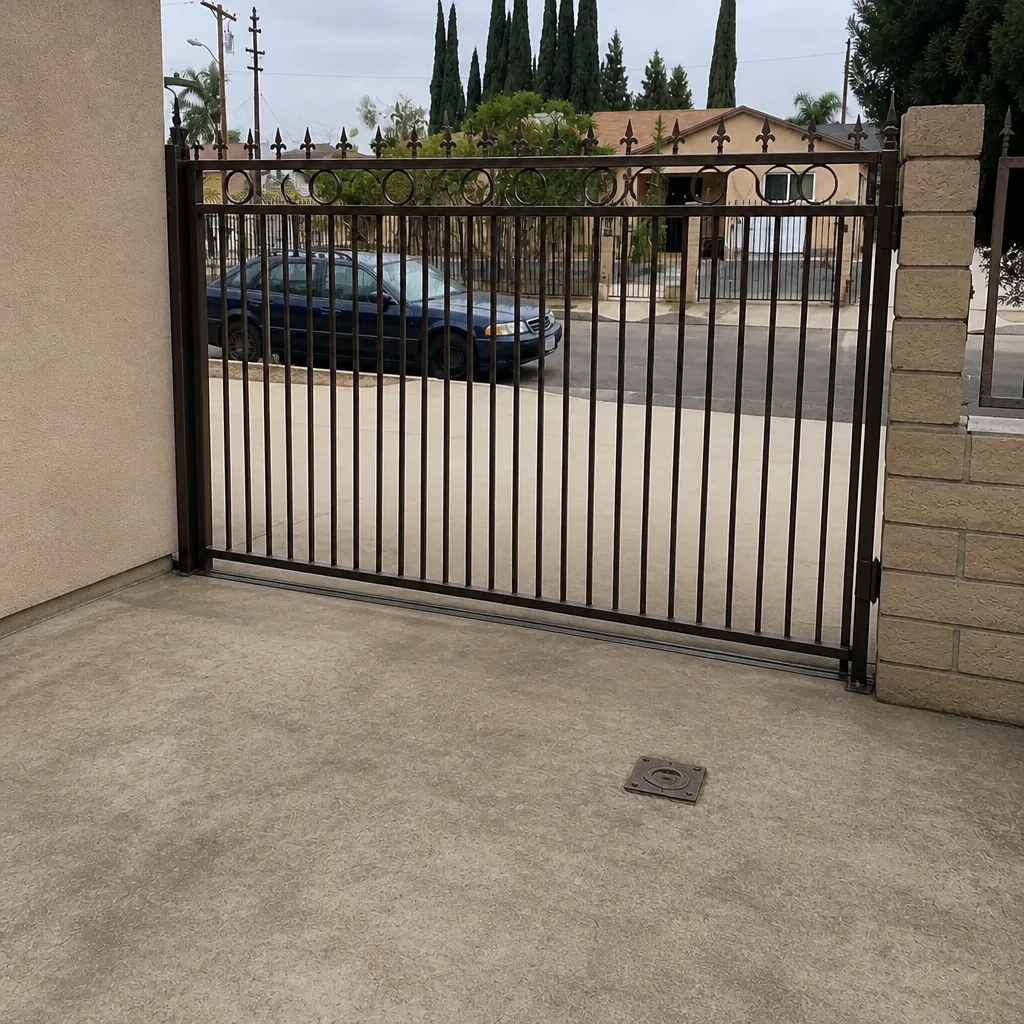 After
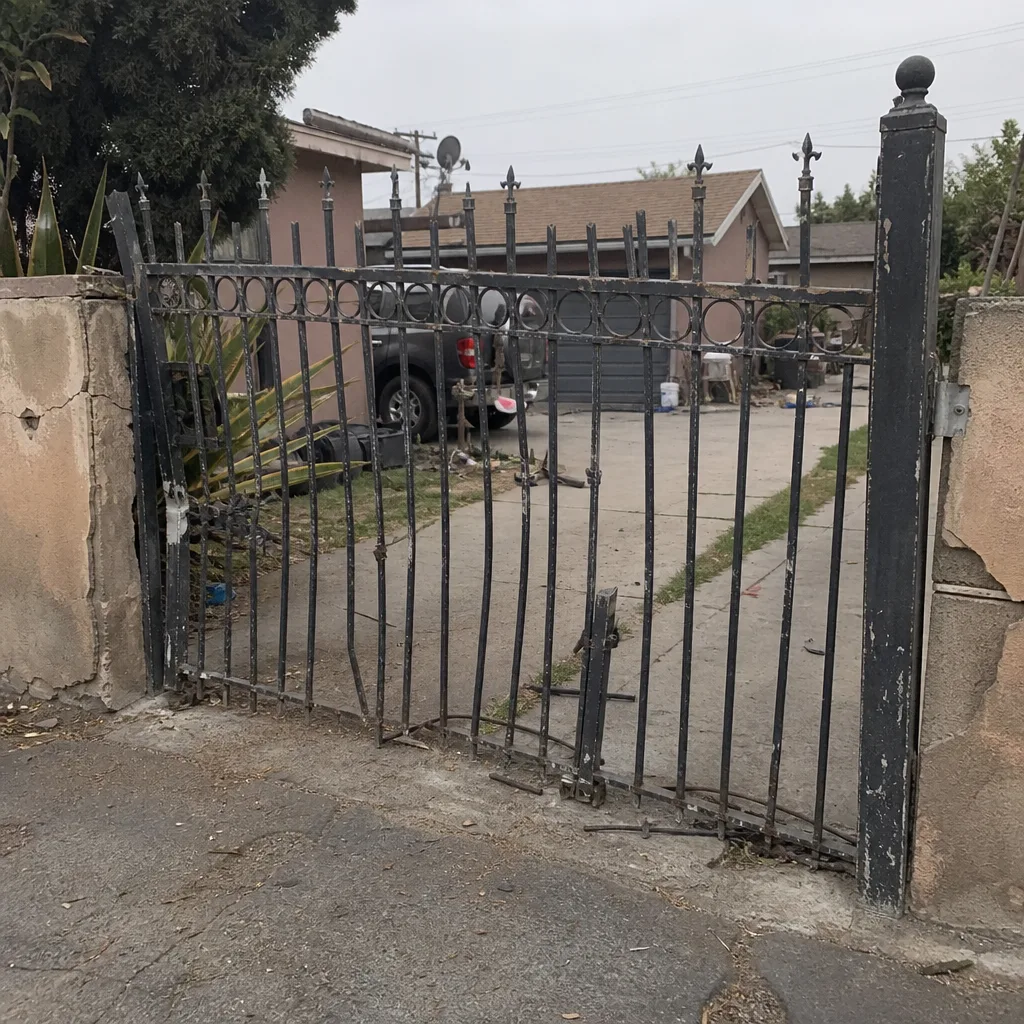 Before
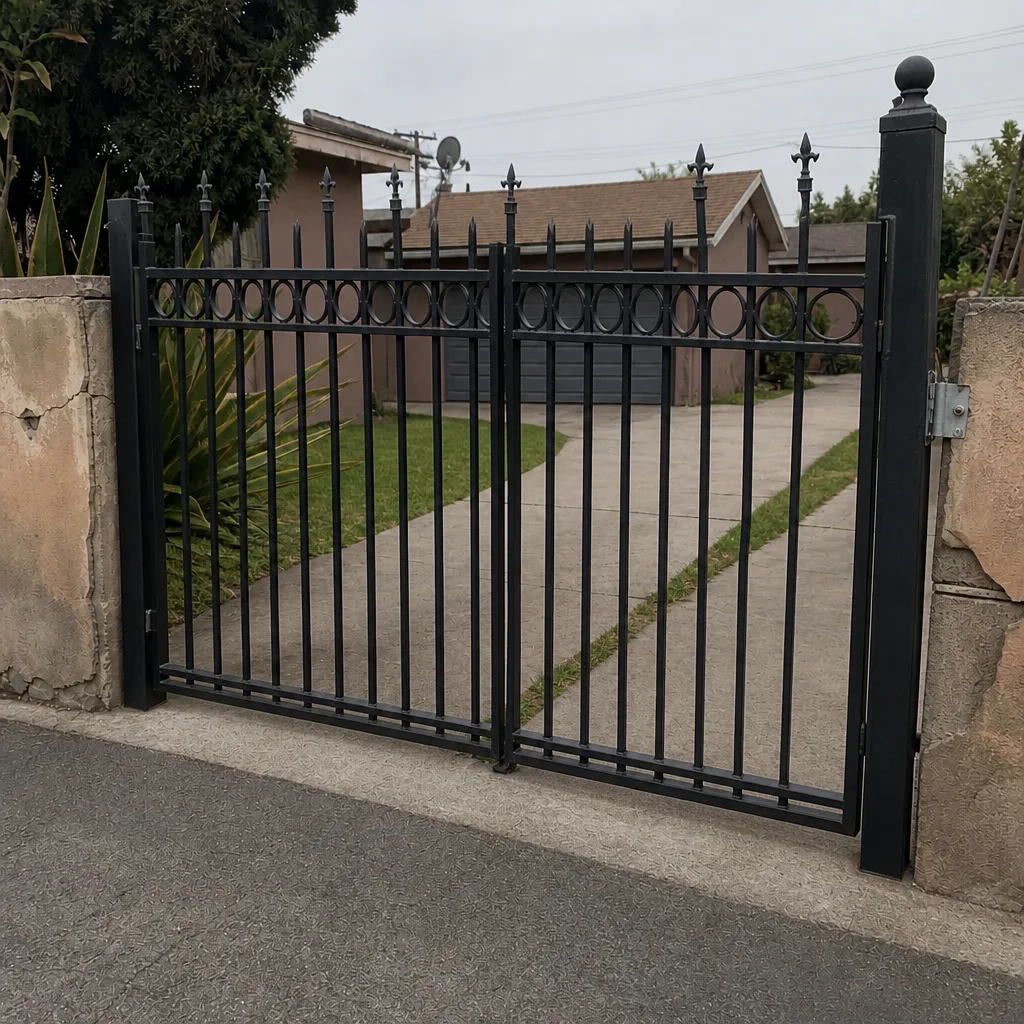 After
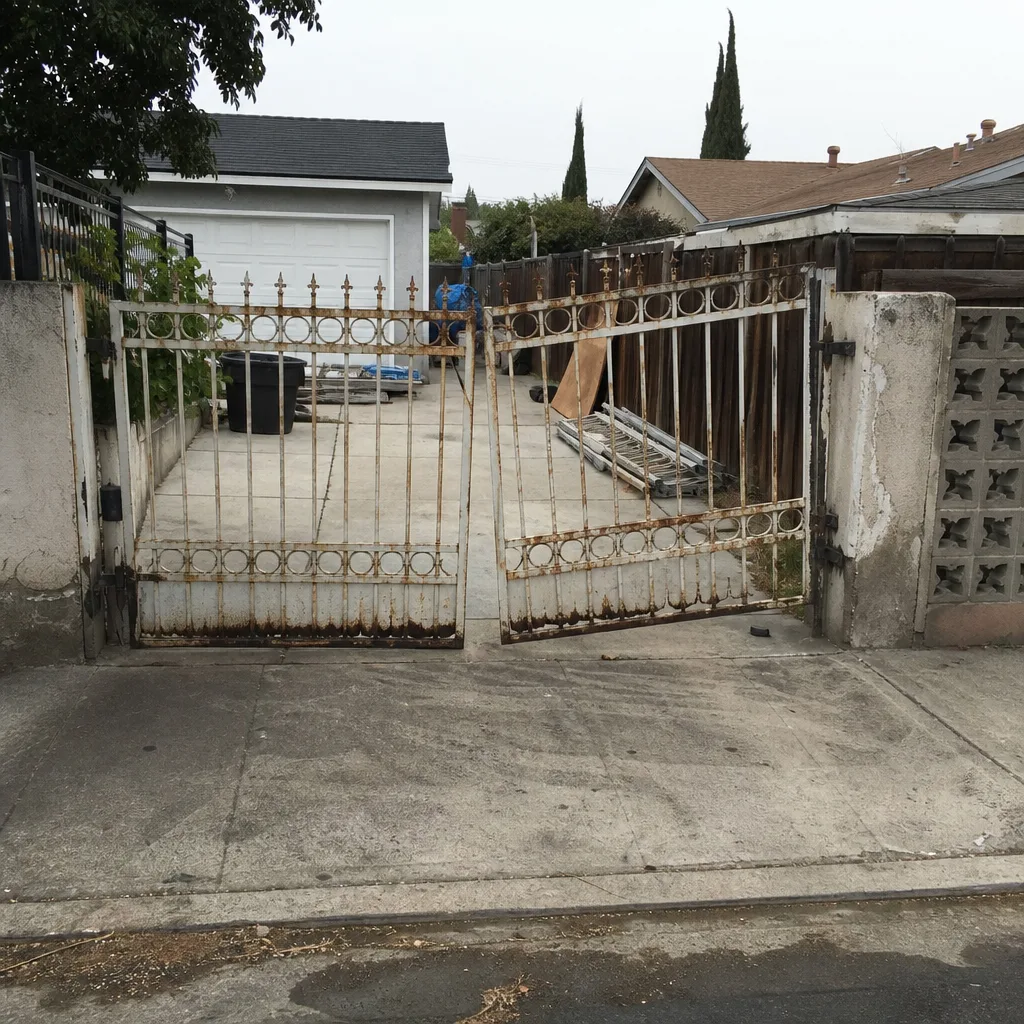 Before
 After