
Last updated November 4, 2026
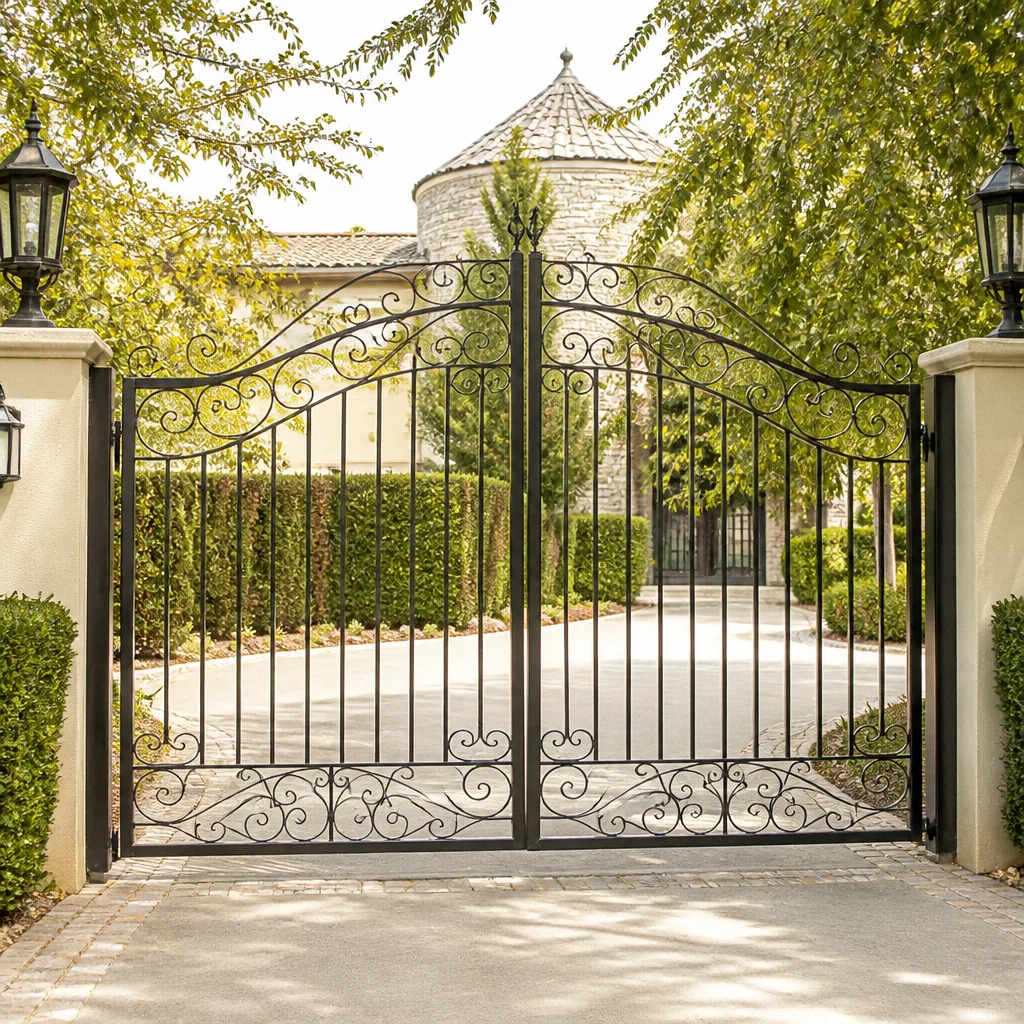 Wrought iron
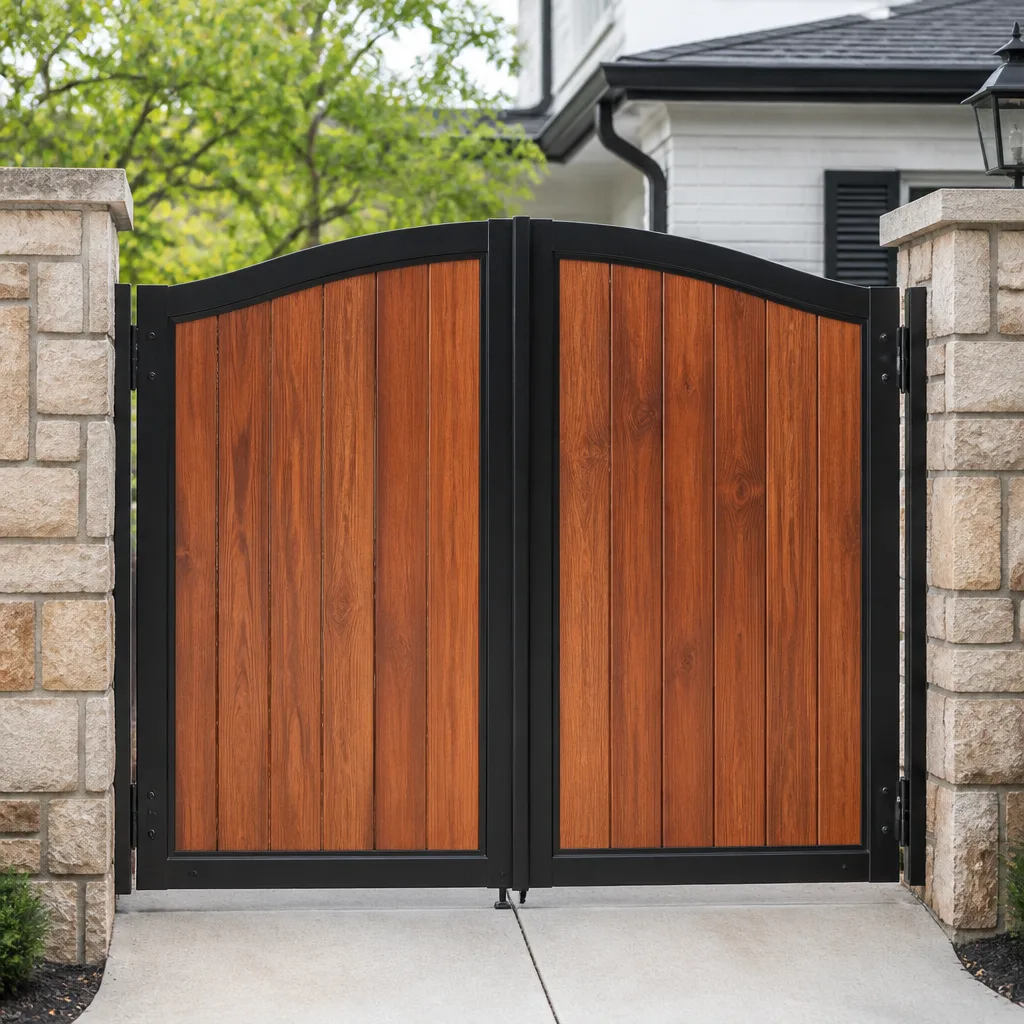 Wood & steel frame
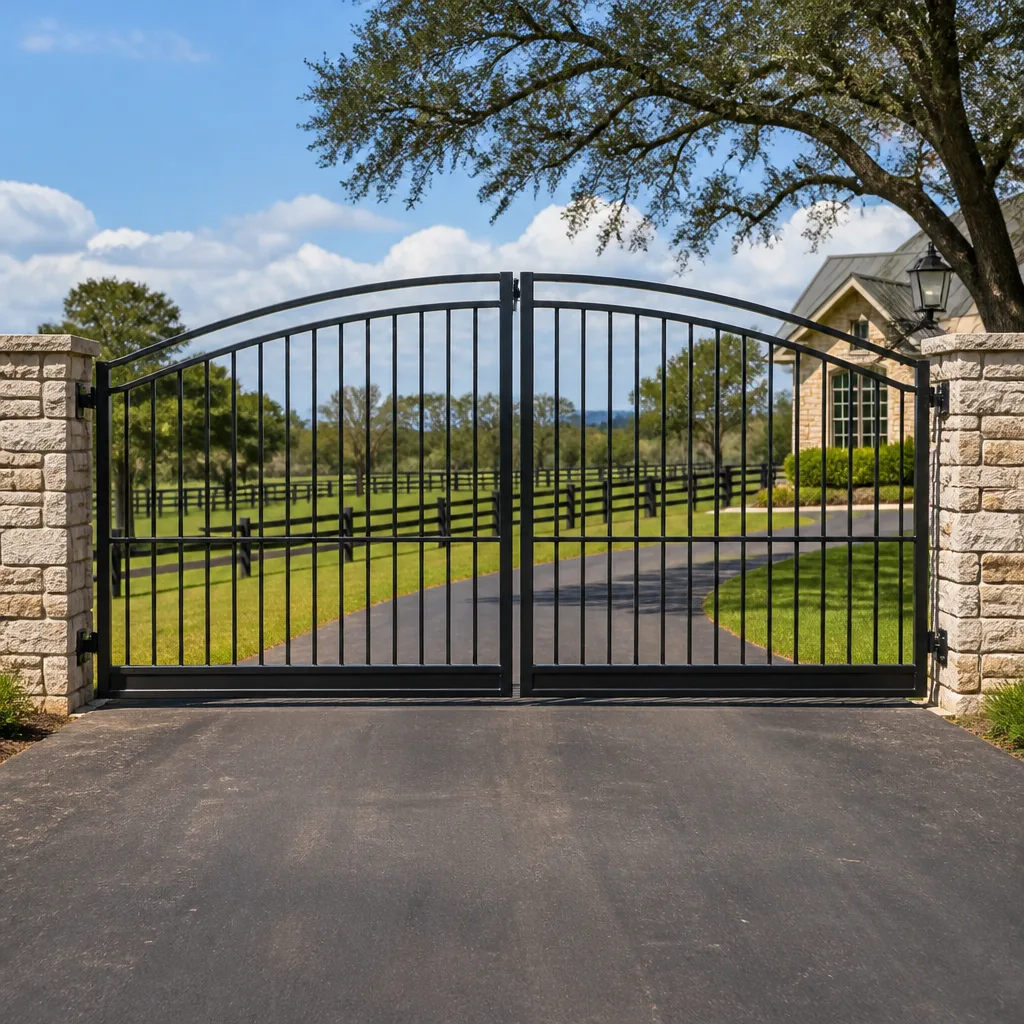 Farm & ranch
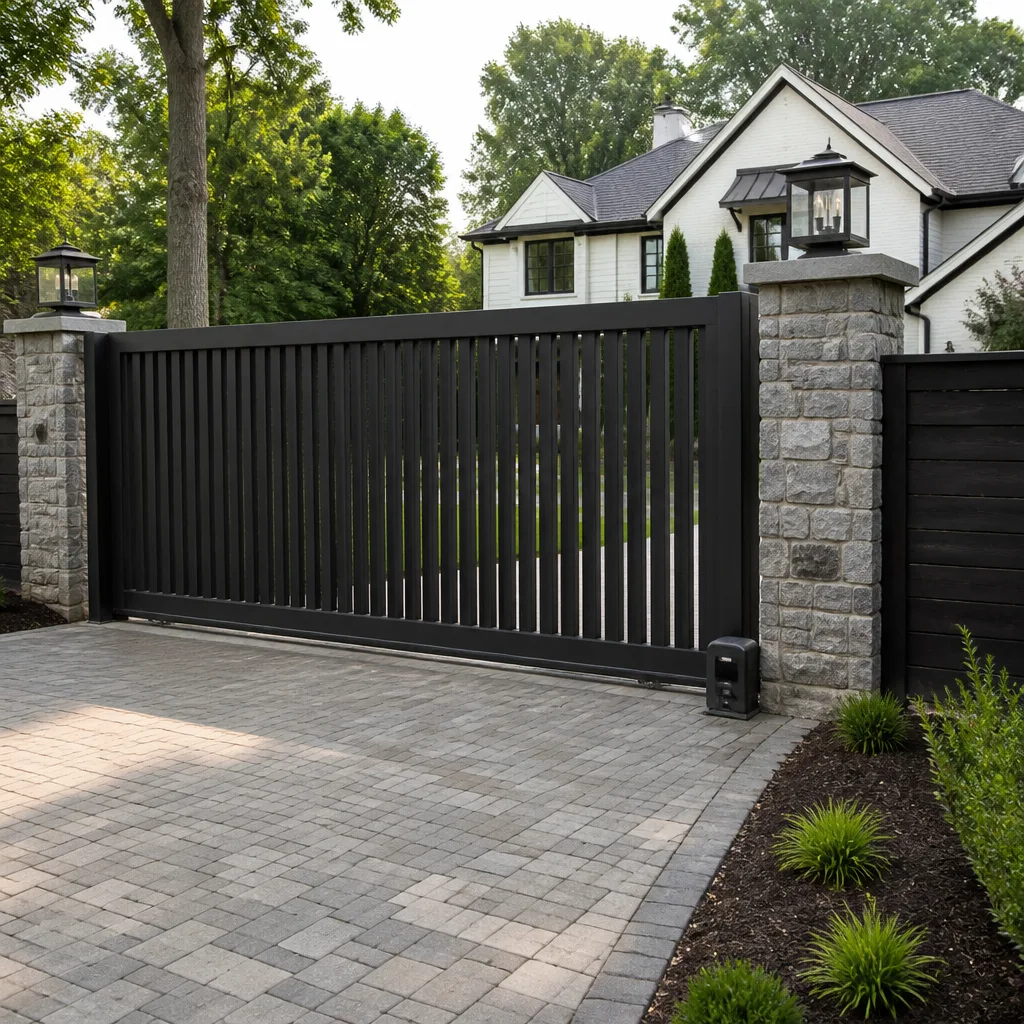 Sliding driveway gates
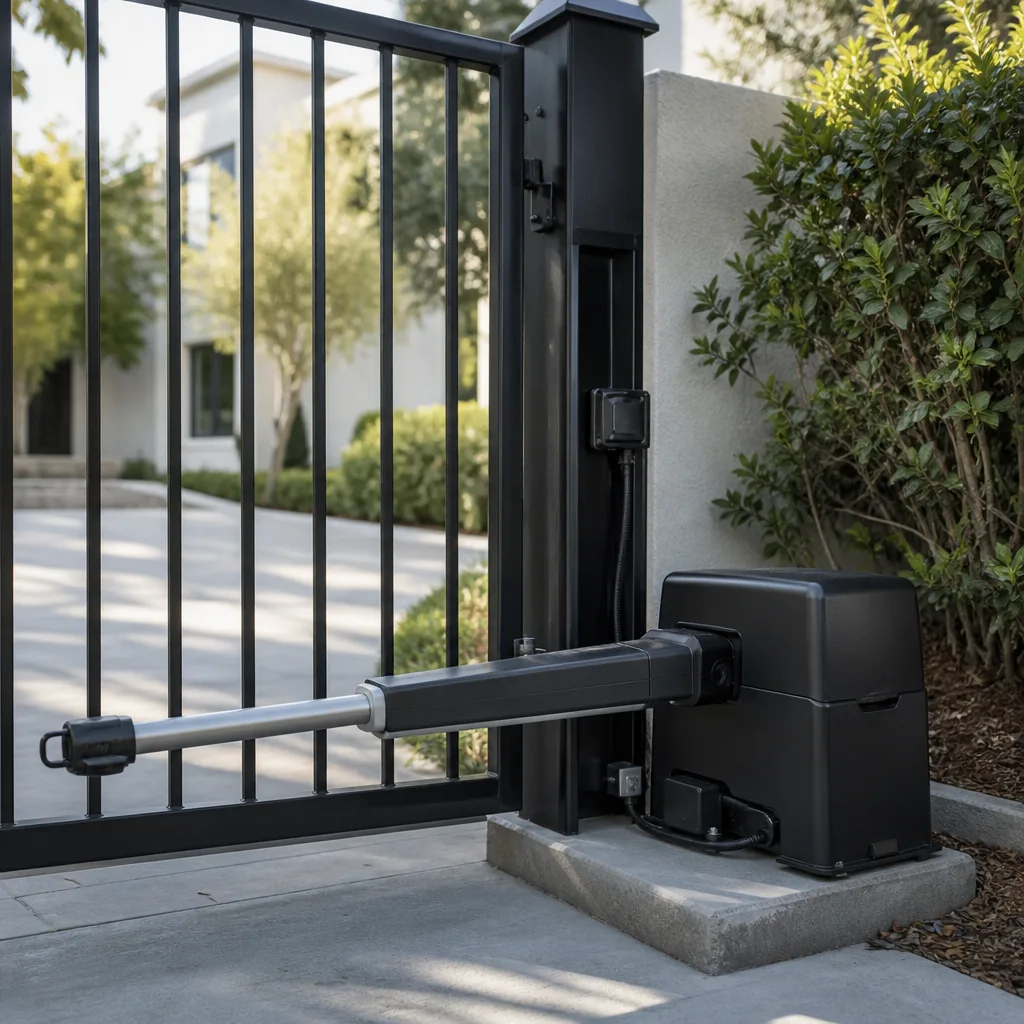 LiftMaster operators
Free on-site gate assessment - hinges, posts, and your LiftMaster or Nice gate operator checked before anything is quoted
The assessment is free and the quote is the invoice.
Get your free estimateHow to Hire a Gate Repair Contractor in Compton: A Step-by-Step Guide
Ask any contractor you’re considering: “What’s the difference between a Class I and Class II gate operator?” If they hesitate, they’re guessing at UL 325 compliance. That’s a liability issue, not just a knowledge gap. Compton has a mix of residential properties with automated driveway gates and light-commercial sites where access control matters, which means the contractor you hire needs to understand both the mechanical side and the electronics side of gate repair. This guide walks through a vetting framework built on technical questions, so you can spot the difference between a gate specialist and a contractor who will learn on your property.
Quick Answer
To hire a gate repair contractor in Compton, verify their California contractor license on the CSLB database, confirm they specialize in gates rather than treating them as a side service, request a written estimate with specific parts brands listed, and ask pointed questions about gate operator compliance and diagnostic approach before approving any work. The contractor should know UL 325 classifications, brand-specific troubleshooting for systems like DoorKing or Elite, and provide a clear scope of work before disassembly begins. Avoid bids that are dramatically lower than others, as they often include refurbished or gray-market components.
Styles & brands we work with
- Wrought iron
- Wood & steel frame
- Farm & ranch
- Sliding driveway gates
- LiftMaster operators
Table of Contents
- Verify the License Before Anything Else
- Questions That Reveal a True Gate Specialist
- Red Flags in Quotes and Estimates
- Why the Lowest Bid on Automation Work Is a Warning
- How to Structure a Repair Authorization
- What Compton’s Gate Market Looks Like
- Common Mistakes to Avoid
- When to Call a Professional
Verify the License Before Anything Else
In California, gate contractors fall under the C-61/D28 classification, which covers doors, gates, and activating devices. This is a limited specialty license, distinct from a general building contractor license. A general contractor can legally pull permits for a broad range of work, but a gate specialist holds a classification specific to this trade.
Checking a license is not optional and it is not difficult. The Contractors State License Board maintains a public database where you can search by business name, owner name, or license number. You want to confirm three things: the license is active and not expired, the classification includes gate work, and the business address matches what the contractor told you.
Why does this matter in Compton? The city has a building department that requires permits for certain gate installations, particularly automated systems that involve electrical connections. An unlicensed contractor will not be able to pull a permit, which can leave you with a non-compliant gate and no legal recourse if the work fails.
Here is a simple verification sequence:
- Ask the contractor for their license number in writing, on the estimate or quote.
- Go to the CSLB website and enter the number.
- Confirm the classification includes C-61/D28 or a relevant door and gate specialty.
- Check the license status is current, not suspended or revoked.
- Verify the name on the license matches the name on the quote.
A licensed contractor also carries worker’s compensation insurance if they have employees, and you can request a certificate of insurance. This protects you from liability if a technician is injured on your property. If a contractor hedges on any of these points, move on.
Questions That Reveal a True Gate Specialist
The fastest way to identify a generalist is to ask about gate-specific technical details. A handyman who fixes fences, decks, and the occasional gate will not have ready answers. A gate specialist will answer without hesitation because these questions reference the core of what gate systems actually are.
Here are specific questions to ask, with the reasoning behind each:
- “What’s the difference between a Class I and Class II gate operator?” A Class I operator is for vehicuse gates intended for a single-family home or a small multifamily property with limited traffic. A Class II operator is for larger multifamily or commercial access points with more daily cycles. Anyone who installs or repairs automated gates needs to know this because UL 325 compliance is tied to the operator class. Installing the wrong class is a liability issue.
- “Which brands do you diagnostically support?” The right answer includes multiple manufacturers. A specialist who works on Viking, Ghost Controls, and Elite systems understands brand-specific logic boards, control inputs, and failure modes. A contractor who says “we can probably figure it out” is telling you they have no brand depth.
- “Do you repair manual gates as well as automated ones?” A surprising number of gate contractors only do automation and will not touch a sagging manual gate. Gate Repair Compton works on both, but you should never assume that about a contractor you are vetting.
- “How do you diagnose an intermittent operator fault?” This is where you separate technicians from parts-swappers. A real specialist describes a diagnostic sequence: checking the control board error codes, testing the photo eyes, checking the loop detector, inspecting limit switches, and verifying power input. A parts-swapper says “we’ll replace the board and see.”
- “What’s the most common failure you see on DoorKing slide operators?” If they have never touched a DoorKing, they will stall here. The answer varies, but a specialist will name something specific: limit switch failures, chain tension issues, or control board relay wear. This question confirms hands-on experience with the equipment you actually have.
In our experience, the contractors who pass these questions are the ones who do gate repair as their primary trade. The ones who flounder are the ones who will learn at your expense.
Red Flags in Quotes and Estimates
A quote tells you more than the price. The structure, specificity, and pressure tactics embedded in an estimate reveal whether the contractor plans to do the job right or cut corners.
Here are the red flags we tell property owners in Compton to watch for:
- Vague line items. “Gate repair labor” or “automation service” without a breakdown of what gets repaired is not a quote. It is a placeholder for scope creep. A legitimate estimate lists specific work: replace limit switch on Viking R6 operator, re-tension drive chain, align photo eyes.
- No mention of parts brand. If the quote says “operator board” without naming the manufacturer or part number, you cannot verify whether the part is OEM, aftermarket, or used. Ask for the brand name. If they will not commit, walk away.
- Pressure to approve same-day without a written estimate. Some contractors use urgency as a sales tactic. A broken gate is frustrating, but it is not a gas leak. You have time to get a written estimate and compare. Anyone who says “sign now or the price goes up” is not a contractor you want touching your access control.
- No mention of safety device testing. Automated gates in California must have functioning safety devices: photo eyes, edge sensors, or both. A quote that omits testing or replacement of safety devices is a quote for non-compliant work.
- Ridiculously low labor hours. If three contractors estimate four hours and one estimates one hour, the one-hour bid is not more efficient. He is planning to skip steps.
A written estimate should also state the price is fixed before work starts. You want the price quoted and agreed before any disassembly happens. This prevents the most common complaint in this trade: an invoice that bears no resemblance to the estimate.
The written estimate sets the final price. No exceptions.
Why the Lowest Bid on Automation Work Is a Warning
Automated gate operators have a real cost floor. The control board, motor, and safety sensors are manufactured components with wholesale prices that do not vary much between contractors. When one bid comes in dramatically lower, the savings have to come from somewhere. In our experience, they come from one of these places:
- Gray-market boards. These are control boards sourced outside authorized distribution channels. They may be genuine but with no manufacturer warranty, or they may be refurbished units sold as new. Either way, you have no recourse when the board fails in four months.
- Refurbished operators. A used operator with new paint is still a used operator. The motor bearings, gearbox, and capacitors have wear you cannot see from the outside. Refurbished equipment has a failure rate that is unacceptable for a security access point.
- Skipped safety devices. Non-contact photo eyes and contact safety edges are not optional. They are required for UL 325 compliance. The cheapest bid often omits them entirely, which saves cost and creates a safety hazard.
- No wire run. Running conduit and wire from the operator to the power source takes time. A low bid may assume the existing wire is fine even when it is not, or may surface-mount wire in a way that will fail inspection.
- Unlicensed labor. If the bid is low because the contractor never pulled a license or bought insurance, you are the one carrying the risk.
When we quote an automated gate repair or electric gate repair in Compton, the parts are OEM and the safety devices are tested as part of the job. A lower price is not a better value if the gate fails in six months and the contractor’s phone is disconnected.
How to Structure a Repair Authorization
Scope creep happens when a gate is disassembled and the contractor “finds” additional issues. Some additional issues are legitimate, because a gate that has not been maintained for years may have hidden damage. But the authorization should define what happens when the contractor discovers something new.
Here is a structured authorization sequence that protects you:
- Define the objective. The authorization should state the specific failure being addressed: “Gate does not open from remote” or “Gate binds at the halfway point.” This is the prime directive of the repair.
- State a stop-work threshold. Write into the authorization that any additional work beyond the original scope requires written approval before proceeding, with a separate line-item price. No verbal “we found another problem” additions.
- Require photos. A reputable contractor will photograph the damage before, during, and after. This documents what was actually wrong and what was actually fixed. If a contractor will not provide photos of the failed component, ask why.
- Specify parts disposal. Request that removed parts be returned to you. This is common practice and prevents the “we replaced the board” claim when the board was never replaced.
- Define the completion test. The authorization should state how the gate will be verified: opens and closes from all remotes, safety devices function, operator reverses on obstruction. You want pass/fail criteria, not “try it and see.”
The key is that all of this is documented before the first panel is removed. A contractor who resists a written scope of work is a contractor who depends on ambiguity to inflate the invoice. The written estimate is your contract. Get it in writing, with specific parts and specific labor, and the final price will not surprise you.
What Compton’s Gate Market Looks Like
Compton has a distinct gate profile compared to other parts of Los Angeles County. The housing stock includes a large number of single-family homes built between the 1940s and the 1980s, many with driveway gates that were added later as retrofits rather than original construction. These retrofit gates often have unique configurations, with operators adapted to gate sizes they were not originally designed for.
The climate here is mild, with warm summers and no freeze-thaw cycles. That means the mechanical failure modes in Compton are less about weather stress and more about daily wear: hinge bushings wearing out, chain stretch, gearbox fatigue, and control board capacitor failure. Metal gates do not fight ice, but they do fight gravity over thousands of open-close cycles.
We also see a meaningful amount of light-commercial gate work in Compton: small industrial lots, self-storage facilities, and multi-tenant retail properties that use automated gates for access control. These systems run more cycles per day than a residential gate, which accelerates wear on the operator and makes brand-specific diagnostic knowledge more important. A contractor who only knows residential systems will struggle on a commercial slide gate with a loop detector and three keypads.
Security is a real consideration for Compton property owners. Many homeowners install automated gates specifically to control who enters the driveway, and a gate that is stuck open is not just an inconvenience. It is an unsecured access point. The contractor you hire needs to treat gate repair as security work, not as a casual handyman task.
Common Mistakes to Avoid
- Hiring the first contractor who answers the phone. Availability is not a qualification. A contractor who can come same-day is not automatically the right contractor for a Viking operator with a processor fault. Slow down and vet.
- Approving a quote that omits parts brands. If the estimate says “board replacement” without naming the board, you cannot verify anything. OEM parts for Ghost Controls systems exist. Aftermarket clones also exist. Know which one you are paying for.
- Choosing the lowest bid without asking what gets cut. The savings come from somewhere. Ask the low bidder directly: “Your quote is $400 less than the others. What are you leaving out?” Watch the answer.
- Skipping the license check because the gate is “just a gate.” Automated gates are powered equipment with safety compliance requirements. An unlicensed contractor cannot pull a permit in Compton, and the work may not pass inspection if you ever sell the property.
- Letting the contractor proceed without a written scope. Verbal agreements are not scope control. Once the gate is disassembled, the negotiation is over. Get the scope in writing first.
- Ignoring the safety device testing. A photo eye or an edge sensor is not a nice-to-have. It is what stops the gate from closing on a car, a child, or a delivery driver. A quote that omits this is a quote for a non-compliant gate.
- Treating residential and commercial gates as the same thing. A slide gate at a Compton industrial lot runs dozens of cycles a day and needs a heavier-duty operator than a residential swing gate. The contractor needs to know the difference between a Class I and Class II application.
When to Call a Professional
Some gate issues are DIY-adjacent. A squeaky hinge can be lubricated. A keypad with dead batteries can be diagnosed. But there are specific scenarios where you should not touch the gate and should call a professional instead:
- The gate moves erratically or reverses randomly. This often indicates a failing control board or a compromised safety sensor, both of which require diagnostic equipment.
- You hear grinding, clicking, or a motor running without gate movement. The gearbox, chain, or drive coupling is failing. Running the gate further can cause catastrophic damage.
- The operator trips a breaker or shows a fault code you do not understand. Power issues on an automated gate can be dangerous and are rarely resolved by resetting the breaker repeatedly.
- The gate is off its track or hanging at an angle. Heavy gate panels can fall, and this is not the time for improvisation.
Gate Repair Compton offers free estimates in Compton, and we work on the brand you already have. Call (866) 569-6161. We answer 24/7. Fast dispatch from 7am to 7pm, Sunday through Friday. The estimate is free and the written estimate sets the final price before any work begins.
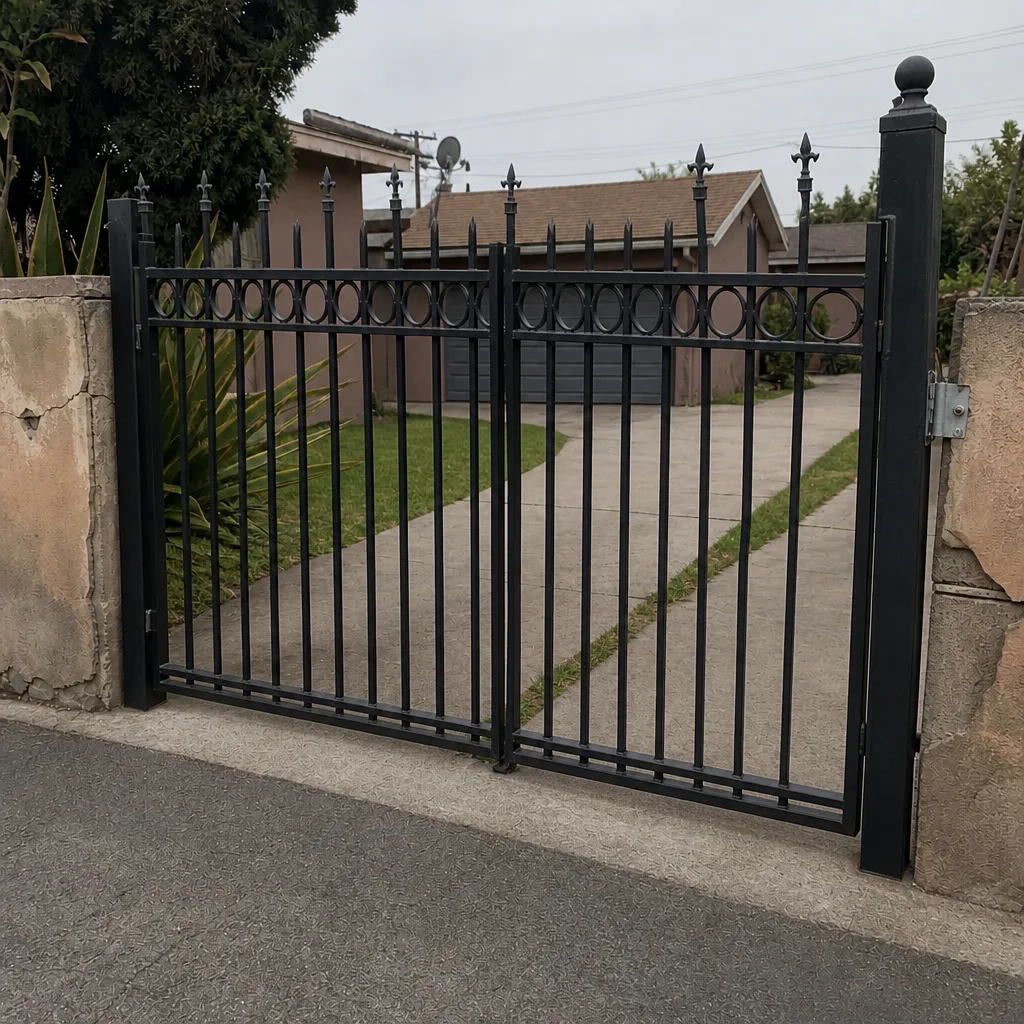
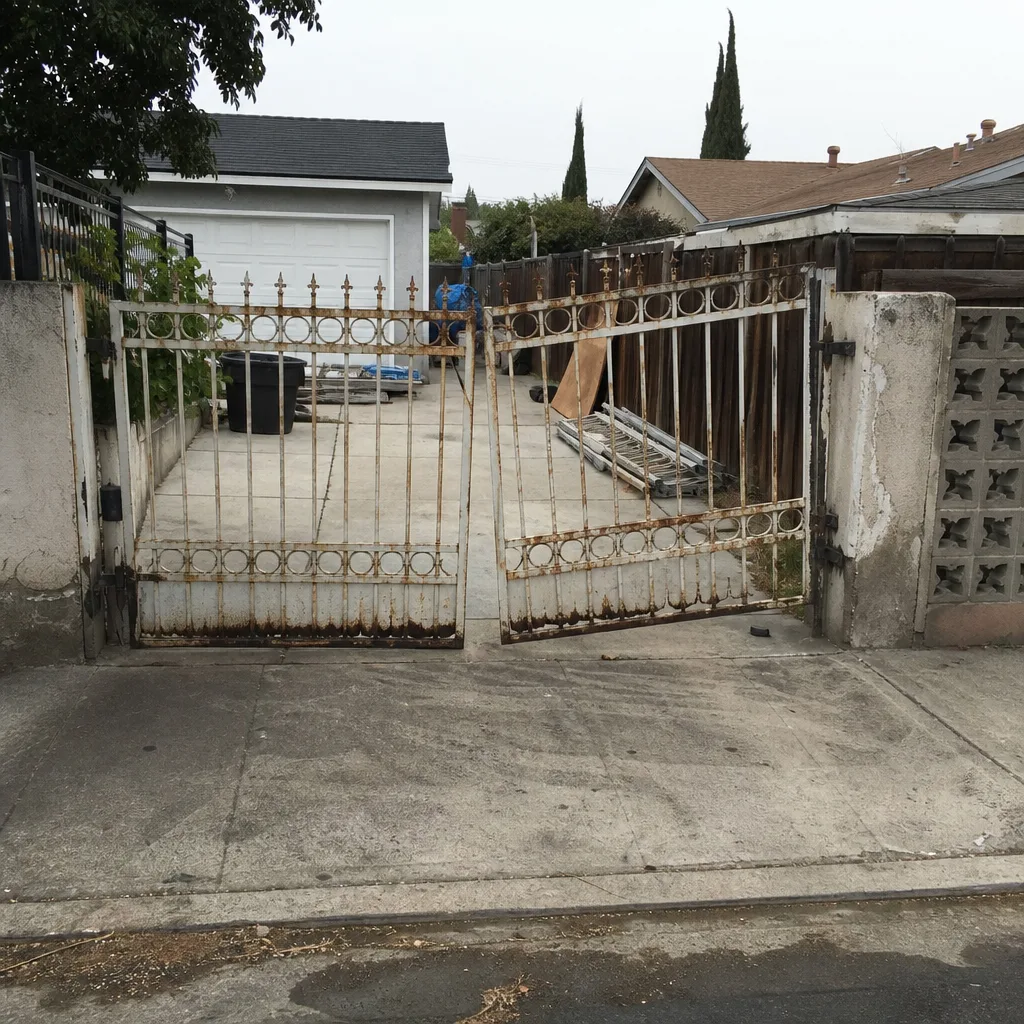
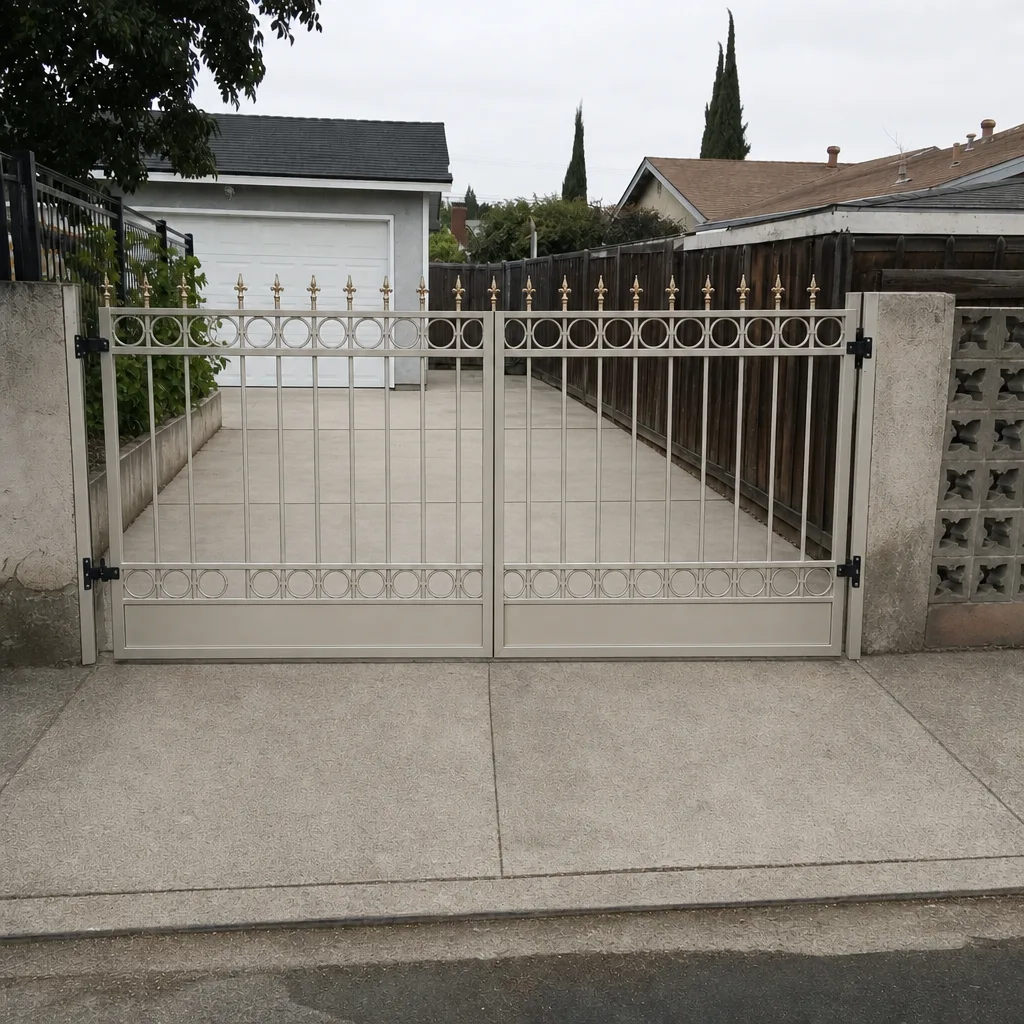
See the difference
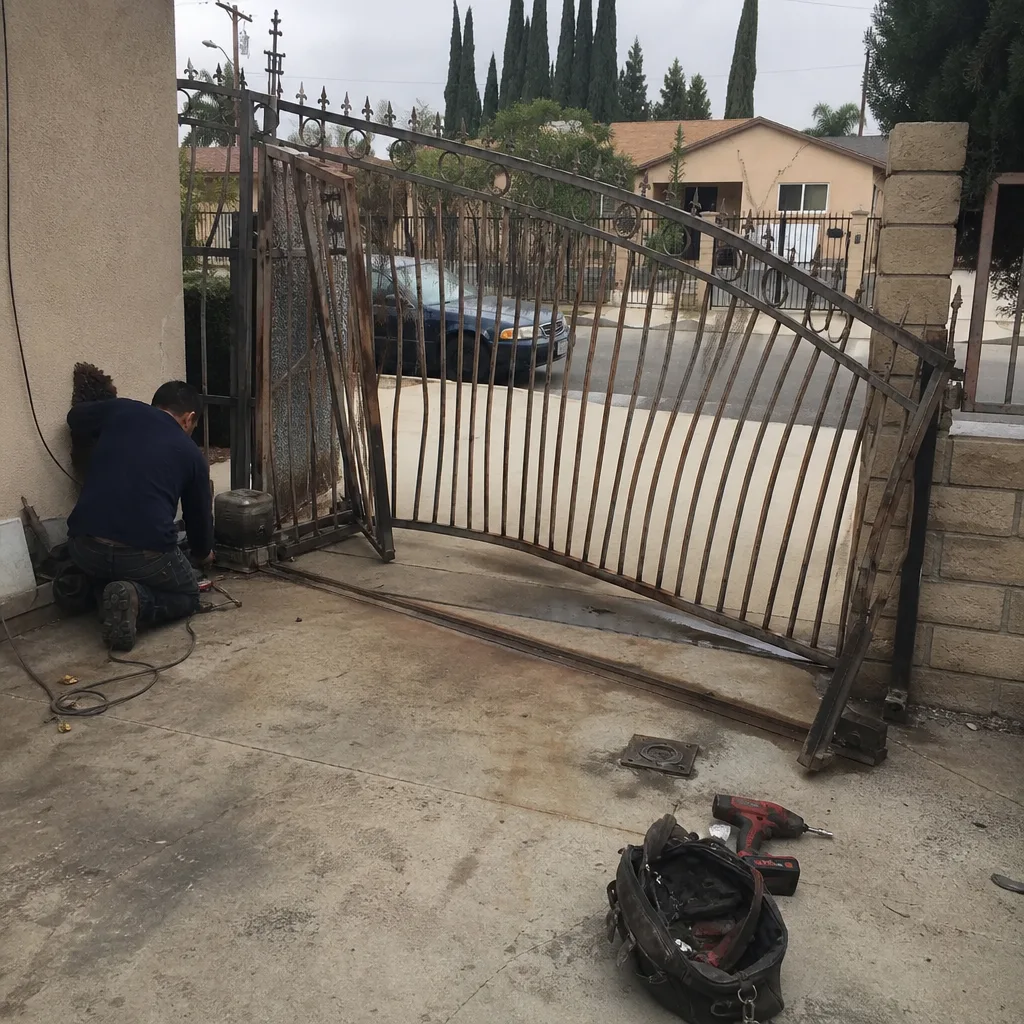 Before
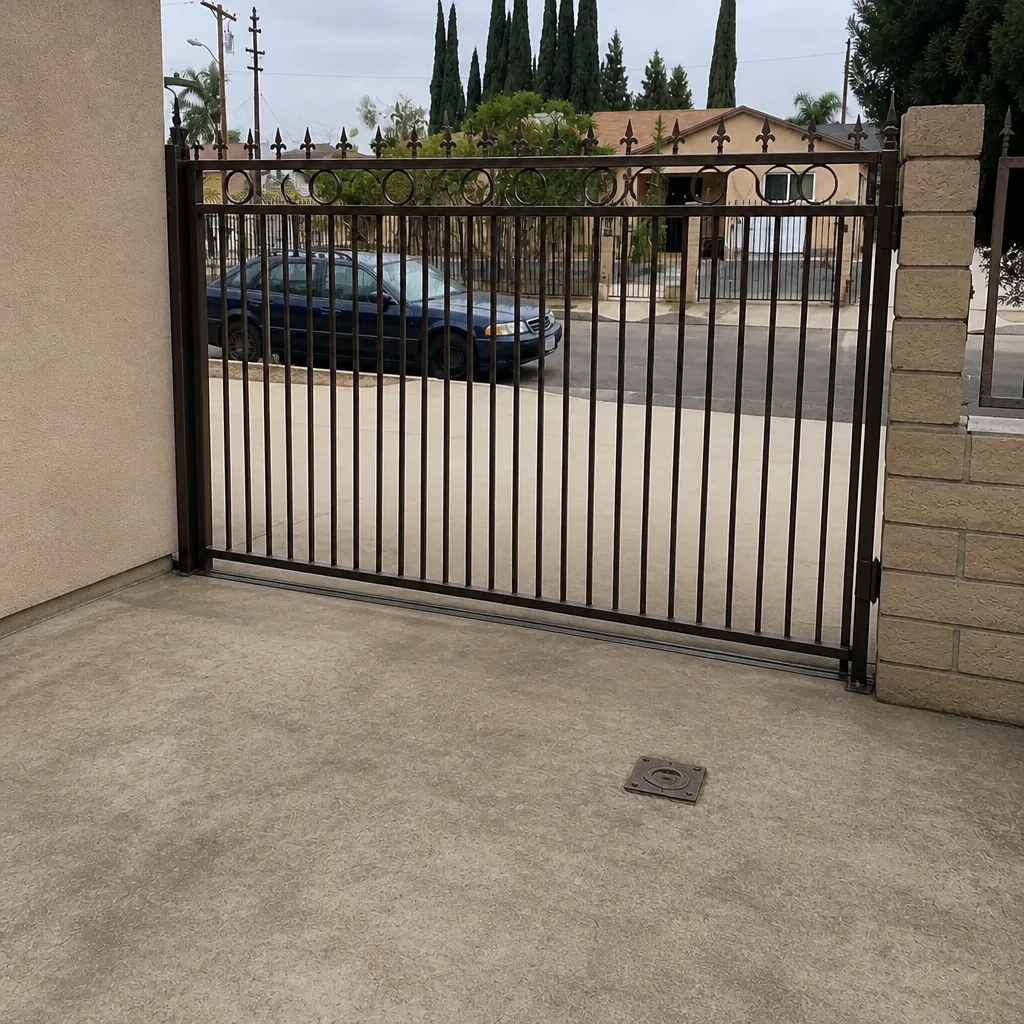 After
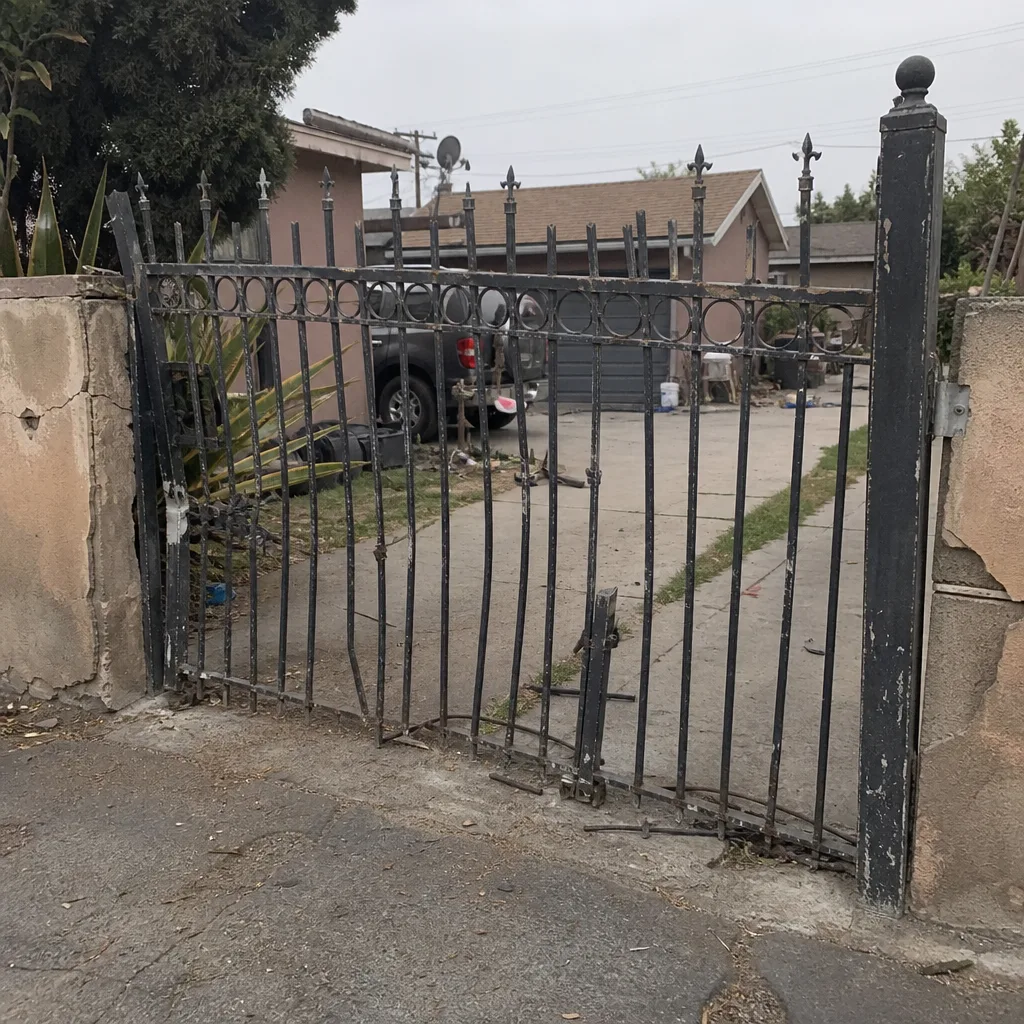 Before
 After
 Before
 After
Frequently Asked Questions
The cost of gate repair in Compton depends on what failed. A simple hinge rebush or limit switch adjustment is typically a few hundred dollars, while an operator replacement with a new control board can run significantly higher. The written estimate sets the final price, so get a specific quote with named parts before any work starts.
Fast dispatch from 7am to 7pm, Sunday through Friday, and in many cases we can get a technician to your Compton property the same day you call. Call (866) 569-6161 to check current availability. We answer 24/7.
We work on the brand you already have. Our technicians are familiar with nine major gate-automation brands, including Viking, Ghost Controls, DoorKing, and Elite, so we diagnose by brand-specific logic rather than guesswork. You do not need to replace your entire system to get it working again.
A full gate installation includes site evaluation, gate fabrication or sourcing, operator selection based on cycle count and gate weight, safety device installation such as photo eyes and edge sensors, power run, and final testing. We handle both manual and automated gate installation, and the written estimate covers the complete scope before work begins.
Yes. The power run from your electrical panel to the gate operator and the installation of safety edges and photo eyes are part of the electric gate repair and installation work we do. Safety devices are non-negotiable on automated gates and are tested as part of every job.
Gate specialists in California are required to hold the appropriate contractor classification, which includes C-61/D28 for doors, gates, and activating devices. We recommend every property owner verify any contractor’s license on the CSLB database before hiring. The estimate is free, and we serve Compton and the surrounding area.
Repair means fixing the failed component, whether it is a limit switch, control board, chain, or hinge. Replacement means the entire gate panel or operator is removed and a new one is installed. A repair-first contractor will quote the targeted fix when that is the right call, rather than pushing for a full replacement to increase the invoice. Our service menu leads with repair before installation because the right fix is cheaper and faster when the rest of the system is sound.
The Bottom Line
Hiring a gate contractor in Compton comes down to verification and specificity. Verify the license on the CSLB database. Ask the technical questions that separate a gate specialist from a general contractor. Require a written estimate with named parts brands and a defined scope of work. Watch for vague line items, pressure tactics, and bids that undercut the real cost of OEM parts and compliant safety devices. The right contractor will answer your questions without hesitation, document the work, and stand behind the repair. Gate Repair Compton is a gate-only specialist serving Compton since 2014, offering free estimates and written quotes before any work begins. Call (866) 569-6161. We answer 24/7. Fast dispatch from 7am to 7pm, Sunday through Friday.
Written by the team at Gate Repair Compton, serving Compton since 2014.