
Last updated November 4, 2026
 Wrought iron
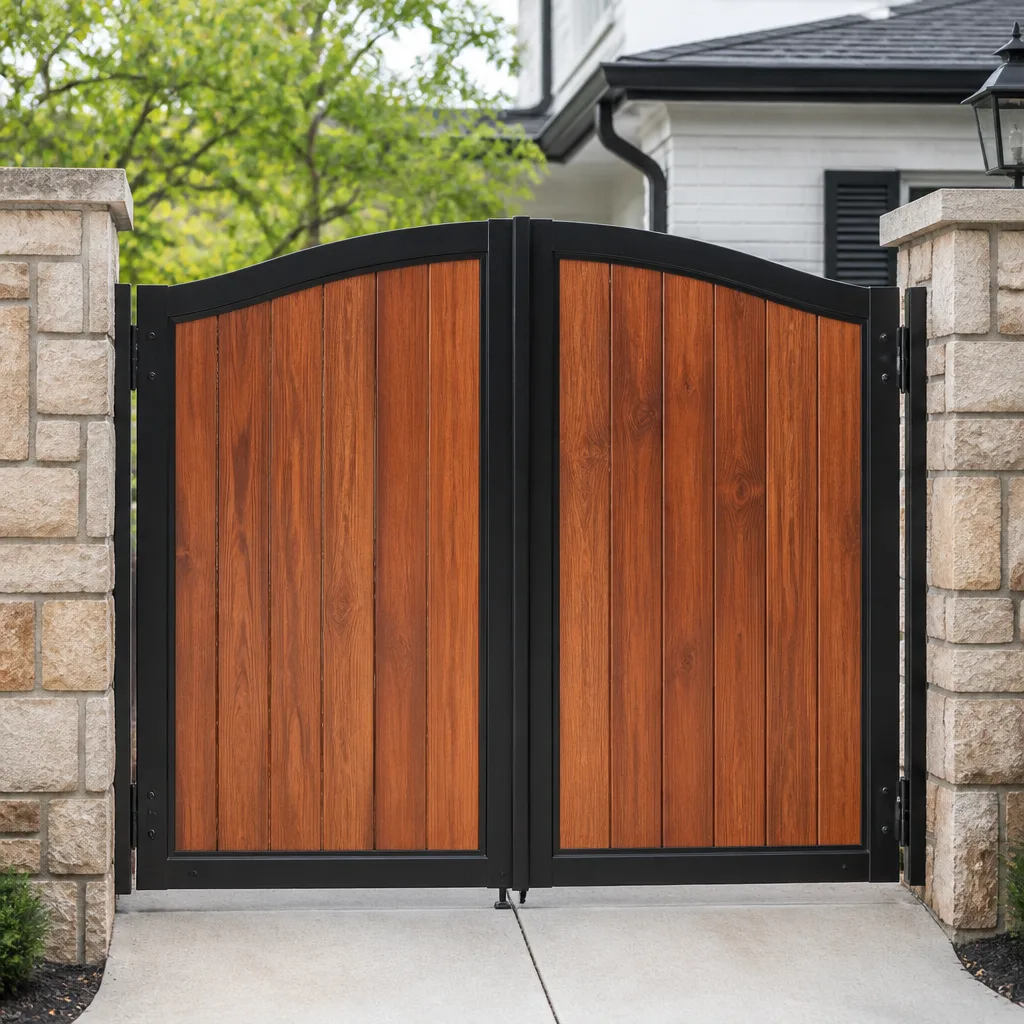 Wood & steel frame
 Farm & ranch
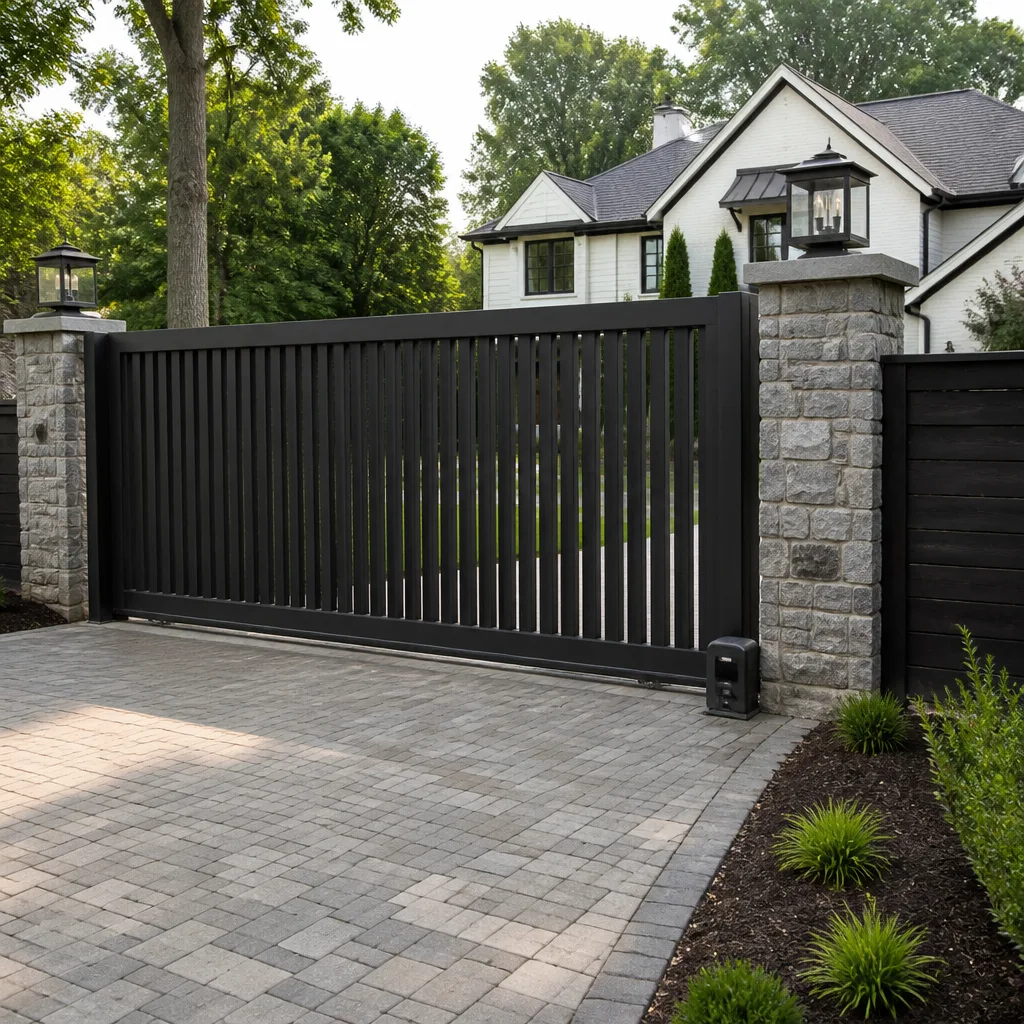 Sliding driveway gates
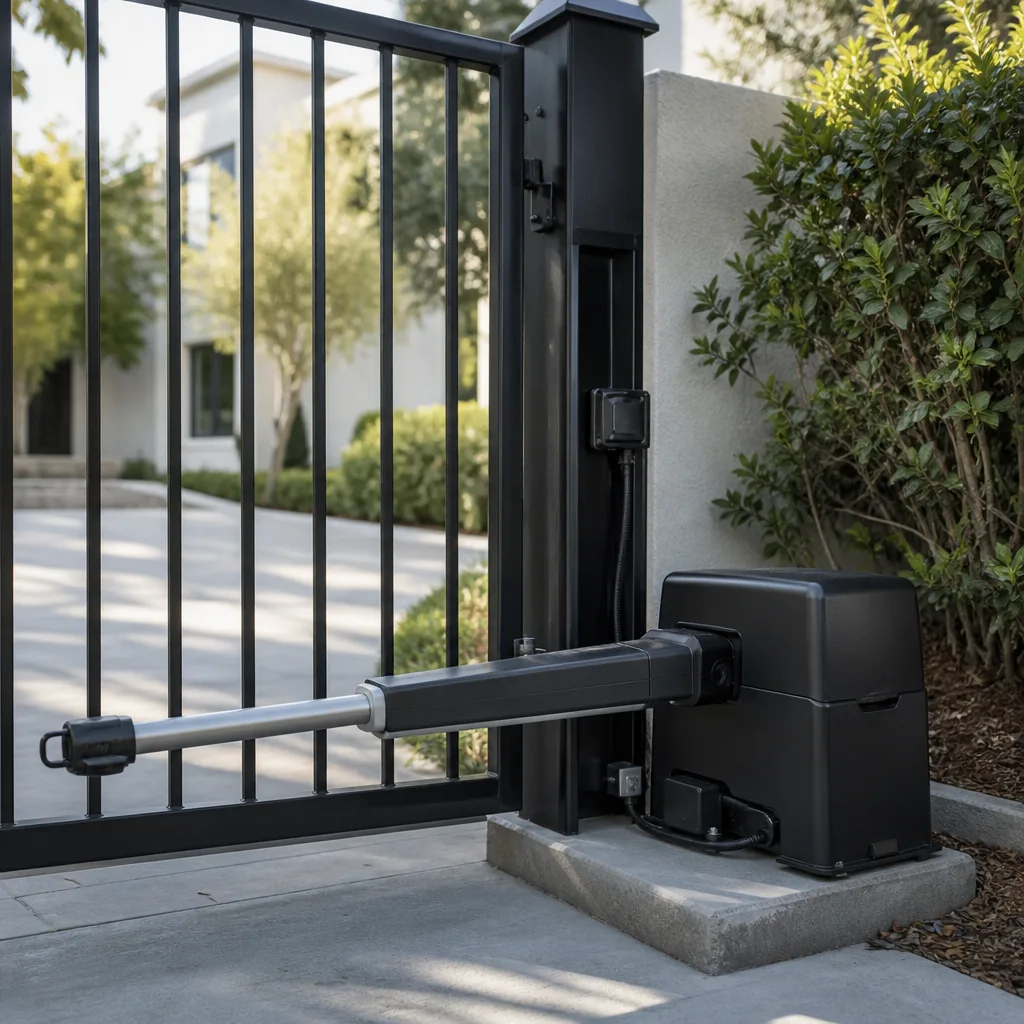 LiftMaster operators
Free on-site gate assessment - hinges, posts, and your LiftMaster or Nice gate operator checked before anything is quoted
The assessment is free and the quote is the invoice.
Get your free estimateSeasonal Gate Repair Care for Compton: Year-Round Homeowner’s Guide
Gate operators fail most frequently in Compton in August and January, but not for the same reason. August failures come from heat. January failures come from moisture. Neither month announces itself with a dramatic weather event. The damage builds quietly, in ways a Midwest seasonal checklist would never catch, because Compton’s climate doesn’t follow the freeze-thaw-snow script most gate care guides are written for. This guide explains what each season actually does to gate hardware here, which failure modes peak when, and how a 15-minute quarterly check can keep your gate working through all of it.
Quick Answer
Seasonal gate care in Compton means managing two opposing stressors: summer heat that trips thermal overload protection and warps metal tracks, and winter fog that corrodes control board terminals and confuses photo eye sensors. A 15-minute quarterly inspection, timed around these two pressure points, prevents most seasonal failures. Gate Repair Compton provides free estimates for seasonal maintenance and repair throughout Compton.
Styles & brands we work with
- Wrought iron
- Wood & steel frame
- Farm & ranch
- Sliding driveway gates
- LiftMaster operators
Table of Contents
- Summer Heat: Thermal Overload and Metal Expansion
- Fall Santa Ana Winds: Debris, Tracks, and Sensor Lenses
- Winter Fog and Moisture: Corrosion and Control Boards
- Spring Post-Rain Inspection: Hinges, Loop Detectors, and Drainage
- Building a 15-Minute Quarterly Check for Compton
- Common Mistakes to Avoid
- When to Call a Professional
- Frequently Asked Questions
Summer Heat: Thermal Overload and Metal Expansion
When ambient temperature climbs past 90°F in Compton, a gate operator that worked fine in June can shut down in August for no obvious reason. The cause is usually thermal overload protection. Every automated gate operator has a temperature sensor on the motor. If the motor runs hot for too long, the control board cuts power to prevent the windings from burning out. An undersized operator, or one mounted in direct afternoon sun against a south-facing wall, will trip this protection repeatedly during Compton’s hottest stretch. The gate stops mid-cycle, then works again 20 minutes later after the motor cools. Homeowners read this as an electrical fault. It is usually a heat management issue.
What to check on the motor housing during summer months:
- Surface temperature. Place your hand near, not directly on, the motor housing after the gate cycles. If it is too hot to hold for more than a few seconds, the operator is working harder than it should. This can mean the operator is undersized for the gate’s weight, the gearbox needs lubrication, or the gate itself has developed drag from expanding metal.
- Ventilation clearance. Many Compton homes have operators mounted inside decorative pillars or behind landscaping that has grown over the housing. The motor needs airflow. Trim back vegetation and clear debris within 12 inches of the unit.
- Track alignment. Steel and aluminum tracks expand slightly in sustained heat. A slide gate that moved freely in May can bind in August because the track has grown a fraction of an inch. Listen for grinding or a labored sound during the last third of travel. That is the classic signature of heat-related track binding.
Summer is also when we see the most calls for chain or belt tension problems on slide gates. The drive chain heats up, softens slightly, and stretches. A chain that was correctly tensioned in spring can slip a tooth on the sprocket by late summer. This is a simple adjustment, but if you ignore it, the slip can chew up the sprocket and turn a $150 tune-up into a full drive assembly replacement. We work on gate brands including Linear, Viking, Ghost Controls, and DoorKing, and the thermal behavior is consistent across all of them. The operator brand does not change the physics of Compton heat. The gate’s weight, the operator’s duty rating, and the mounting location do.
Fall Santa Ana Winds: Debris, Tracks, and Sensor Lenses
Santa Ana winds are Compton’s fall maintenance trigger. The dry, gusty conditions push dust, leaves, and small debris into places that stayed clean all summer. The two components most affected are V-groove tracks on slide gates and the photo eye sensors that sit low on the gate posts at both sides of the opening.
V-groove tracks are exactly what they sound like: a steel channel with a V-shaped cross section. The gate’s guide wheels ride in that groove. When dry wind forces sand and grit into the V, the wheels start grinding the debris into the metal instead of rolling over it. The result is a gate that moves with a gravelly, rough sound and a track that wears unevenly over time. The fix is simple but specific. Do not use a wire brush to clean a V-groove track. A wire brush scratches the bearing surface, and those scratches hold more grit next time. Use a stiff nylon brush and, if the track has been greased, a dry cloth to pull out the contaminated lubricant before applying a thin fresh coat. On most Compton gates, a quarterly clean during fall is enough, but if the Santa Anas run unusually long, check the track monthly.
Photo eye sensors fail in a less obvious way. A photo eye sends an infrared beam across the gate opening. When dust coats the lens, the beam scatters. The control board reads that as an obstruction, and the gate refuses to close, or reverses when it is halfway through a cycle. Homeowners often assume the sensor has failed. It usually just needs to be cleaned. The specific method matters: wipe the lens with a soft, dry microfiber cloth. Do not use glass cleaner, and never use a paper towel. Paper towel fibers scratch the lens surface, and once the lens is microscopically scratched, dust adheres more easily, and you will be cleaning it every week. Glass cleaner can interact with the polycarbonate lens material and cloud it. Dry microfiber only. This is the single highest-return five-minute task in Compton’s fall season, and it prevents a large share of the no-close calls we respond to between October and December.
Winter Fog and Moisture: Corrosion and Control Boards
Compton winters are mild, but they are damp. Night fog and morning condensation settle on gate hardware, and that moisture works its way into places you would not expect. The most vulnerable component is the control board terminal block, where low-voltage wires from the photo eyes, keypad, and loop detectors land on the circuit board. When terminals corrode, the connection resistance rises. The board starts receiving intermittent signals. A gate that opens sometimes but not others, or a keypad that works once in three attempts, is often not a board failure. It is a corroded terminal.
What a corroded terminal block looks like before it fails completely:
- White or green powder on the screw heads and wire ends. This is the earliest visible sign. If you open the operator cover and see powder, the terminals need cleaning now, not later.
- Dull or darkened copper where the wire strands enter the terminal. Bright copper is good. Dark copper means oxidation has started.
- Flaking or crusty deposits bridging between adjacent terminals. This is advanced corrosion and can cause a short across circuits.
- A faint burned smell when the operator cover is open, even if the board works. That odor means a connection is heating up under load.
Control board terminals corrode faster in Compton than in drier inland cities because of the overnight fog cycle. The moisture condenses on cold metal surfaces inside the operator housing, and if the housing is not sealed properly, or the drain holes are plugged, that condensation sits on the board for hours each morning. The fix is not to replace the board, unless corrosion has already eaten the copper traces. Usually, the terminals can be cleaned, the wire ends can be re-stripped, and the housing gasket can be replaced. A small dielectric grease application on the terminals prevents recurrence for years. If you own a gate repair in Compton is our specialty, and this is one of the most common winter callouts we handle.
Spring Post-Rain Inspection: Hinges, Loop Detectors, and Drainage
By March, Compton’s rainy season is winding down, but the effects stay behind. The ground under the gate has softened and shifted. Swing gate hinges carry the entire weight of the gate leaf, and when the post moves even a quarter inch, the hinge takes the strain. This is the season to check for hinge wear before it becomes a structural problem.
Post-rain inspection points for swing gates:
- Hinge play. With the gate in the closed position, push the leaf near the top and watch the hinge. Any visible movement at the hinge pin means the bearing or the hinge plate is wearing. A swing gate that sags is putting load on the operator and the latch, and it will only get worse as the ground continues to settle.
- Post plumb. Sight down the post like a carpenter checks a stud. If the post leans, the gate will drag at the latch or bind at the hinge. Post movement after rain is not always fixable without resetting the footing, but catching it early can mean a shim instead of a re-pour.
- Underground loop detector response. Many Compton driveway gates open automatically when a vehicle sits on a loop detector buried in the pavement. After a wet season, the loop’s sensitivity can shift because the moisture in the soil changes the inductance. If the gate opens for a car but not a motorcycle, or does not open until the wheels are on a specific spot, the loop needs a sensitivity adjustment. This is a control board setting, not a wiring repair, in most cases.
- Drainage around the operator post. Walk the area after a rainstorm. Water should flow away from the operator post and the gate track. If puddles form and sit for hours, the soil has compacted or the grade has changed, and that standing water will shorten the life of the underground wiring and the post footing.
This is also the right time to schedule a full diagnostic check if the gate misbehaved at all during the rainy months. A gate that worked intermittently in January will not fix itself in July. The ground dries out, but the corrosion and connection problems left behind do not. Gate Repair Compton offers free estimates in Compton, and a spring inspection catches problems while they are still cheap to fix.
Building a 15-Minute Quarterly Check for Compton
The generic seasonal maintenance checklists online are written for Minneapolis or Chicago, where winterizing means draining sprinklers and summerizing means checking for hail damage. Compton needs its own schedule, built around the two real stressors: heat in late summer and moisture in mid-winter. Here is a 15-minute quarterly routine you can do yourself, timed to the climate we actually have.
- Listen first. Cycle the gate once while standing near the operator. Listen for grinding, squealing, or a labored motor sound. Compare it to how the gate sounded when it was new. Sound is the earliest warning signal, and it costs nothing to notice.
- Watch the travel. Watch the gate move through its full travel. It should move smoothly, without hesitation at any point. A gate that slows down mid-cycle, or shudders near the end of travel, is fighting friction somewhere. Note where in the travel the hesitation occurs. That tells the technician where to look.
- Check the track or hinge condition. For a slide gate: run your finger along the track edge and look for debris, grit, or signs of metal-on-metal wear. For a swing gate: push the leaf and watch for hinge play. Any movement that was not there last quarter is a wear signal.
- Clean the photo eye lenses. Dry microfiber cloth only. Five seconds per lens. Do this every quarter regardless of how the lens looks, because a thin dust film is hard to see but enough to scatter the beam.
- Inspect the motor housing. Clear vegetation, wipe away cobwebs, and check that the cooling vents are not blocked. If the operator is mounted inside a pillar or cabinet, make sure the enclosure has airflow.
- Test the manual release. Most automated operators have a manual release lever or key. Disengage the operator and move the gate by hand. It should move freely. If it does not, the problem is mechanical, not electrical, and forcing the operator to do the work is burning out the motor.
- Note the date and anything you found. A simple note on your phone is enough. Patterns become visible over a year: the gate slowed in August, the hinges loosened in March. That log is genuinely useful when you call a technician, because it tells them where to look before they even arrive.
This check takes 15 minutes on a typical Compton residential gate. It does not replace professional maintenance. What it does is catch small problems in the window between when they appear and when they become repair calls. That window is exactly where the money is, because a hinge plate costs little compared to a replacement operator motor. If you find something during your check that you are not comfortable evaluating, call us. The estimate is free, and we will tell you honestly whether it needs attention now, or if it can wait. Gate repair is all we do, and we would rather spend 20 minutes looking at a minor issue than four hours replacing a major one later.
Common Mistakes to Avoid
- Lubricating the photo eye lens to fix a no-close condition. We have seen lenses coated in WD-40, silicone spray, and even cooking oil. Lubricant on a lens makes dust stick faster and diffuses the beam. The correct fix is a dry microfiber wipe. Nothing else.
- Greasing a V-groove track with automotive bearing grease. Heavy grease holds grit and turns into grinding paste in Compton’s dry Santa Ana season. Use the lubricant recommended for your specific track, and apply it thinly. Too much lubricant is worse than none.
- Ignoring a thermal trip because the gate starts working again. A gate that shuts off in the heat and restarts when cool is telling you something. If you treat it as a random glitch, the operator will eventually trip and stay tripped, usually on the hottest day of August, when you need it least.
- Power-washing the gate and operator housing. High-pressure water forces moisture into the control board seals and the operator’s internal components. A garden hose on a gentle setting is the most water you should ever direct at an automated gate, and even then, keep it away from the operator and electrical connections.
- Waiting until the gate stops working to call. By the time a gate fails completely, the failure has usually been building for months. The noise, the hesitation, the intermittent keypad response, all of those were warning signs. Calling earlier does not cost more. It costs less.
- Using a wire brush on a photo eye or track surface. Scratches on a lens or track hold dirt and accelerate wear. Nylon brush for tracks, microfiber for lenses. If the component is too far gone for that to work, it should be replaced anyway.
- Assuming a gate that opens but will not close is a sensor failure. That is often true, but it can also be a limit switch, a corroded terminal, or a loop detector giving a false occupancy signal. Replacing the sensor without checking the rest of the circuit is the most expensive way to guess.
When to Call a Professional
Some gate problems are safe to evaluate on your own. Others are not. If you see arcing or smell burning from the operator housing, shut the breaker off and call a professional. If a slide gate has come off its track, do not try to muscle it back on. The gate weighs hundreds of pounds, and a pinch or crush injury is a real risk. If a swing gate has dropped and is dragging on the ground, the hinge or post may be at the point of failure, and forcing the gate through its travel can cause a sudden collapse. If the operator is making a loud buzzing sound but the gate does not move, the motor or capacitor may be failing, and continuing to test it can damage the control board. Gate Repair Compton offers free estimates in Compton, call (866) 569-6161. We answer 24/7. Fast dispatch from 7am to 7pm, Sunday through Friday. We will tell you what the gate needs and what it costs before any work starts.
Frequently Asked Questions
Four times a year, aligned with the seasonal shift: early spring after the rainy season, early summer before the heat peaks, early fall when the Santa Ana winds start, and early winter before the fog season. A 15-minute quarterly check plus professional maintenance when something feels off is sufficient for most residential gates in Compton.
Heat triggers the thermal overload protection inside the motor. When the ambient temperature passes 90°F and the motor is running hot, the control board cuts power to protect the windings. The gate works again after cooling down. The underlying cause is usually an undersized operator, a gate that is dragging from track misalignment, or poor ventilation around the motor housing. Call (866) 569-6161 for a free estimate to diagnose it properly.
Usually, a dirty photo eye lens is the problem, and the fix is a dry microfiber wipe on both lenses. If that does not solve it, the issue may be a corroded terminal block, a misaligned sensor, or a false signal from the loop detector. These require a diagnostic check and we can do that at no charge as part of a free estimate.
That depends on the gate’s condition, but in our experience, many Compton gates that seem ready for replacement are actually repairable. A sagging hinge, a corroded terminal strip, or a stretched chain are fixable problems. The decision to replace should be based on the operator’s age, parts availability, and the condition of the gate structure itself. We will tell you honestly which way to go, and our pricing reflects our preference for repairing what can be fixed.
There is no standard lifespan because it depends on the operator’s quality, the gate’s weight, and how consistently heat and moisture have been managed. A well-installed, properly maintained operator can run for many years in Compton. One that is mounted in direct sun with poor ventilation and ignored maintenance will fail much sooner. The quarterly check and professional servicing are the difference.
We answer 24/7. A call outside dispatch hours is booked into the next opening, Sunday through Friday, 7am to 7pm. Call (866) 569-6161 and you will always get a person on the phone.
The Bottom Line
Compton gates fail in patterns, not randomly. August heat trips thermal protection and warps tracks. January fog corrodes terminals and clouds sensors. Santa Ana winds pack grit into V-grooves every fall, and spring rain settles the ground under posts and hinges. A 15-minute quarterly check built around these four seasonal pressure points catches most problems before they strand you outside the driveway. When a problem does need professional work, the cost is almost always lower if you catch it early. We are gate specialists, not generalists, and Gate Repair Compton works on the brand you already have, from a single broken hinge to a full electric gate repair. Automated or manual, we handle it. For a free estimate in Compton, call (866) 569-6161. We answer 24/7. Fast dispatch from 7am to 7pm, Sunday through Friday.
Written by the team at Gate Repair Compton, serving Compton since 2014.
See the difference
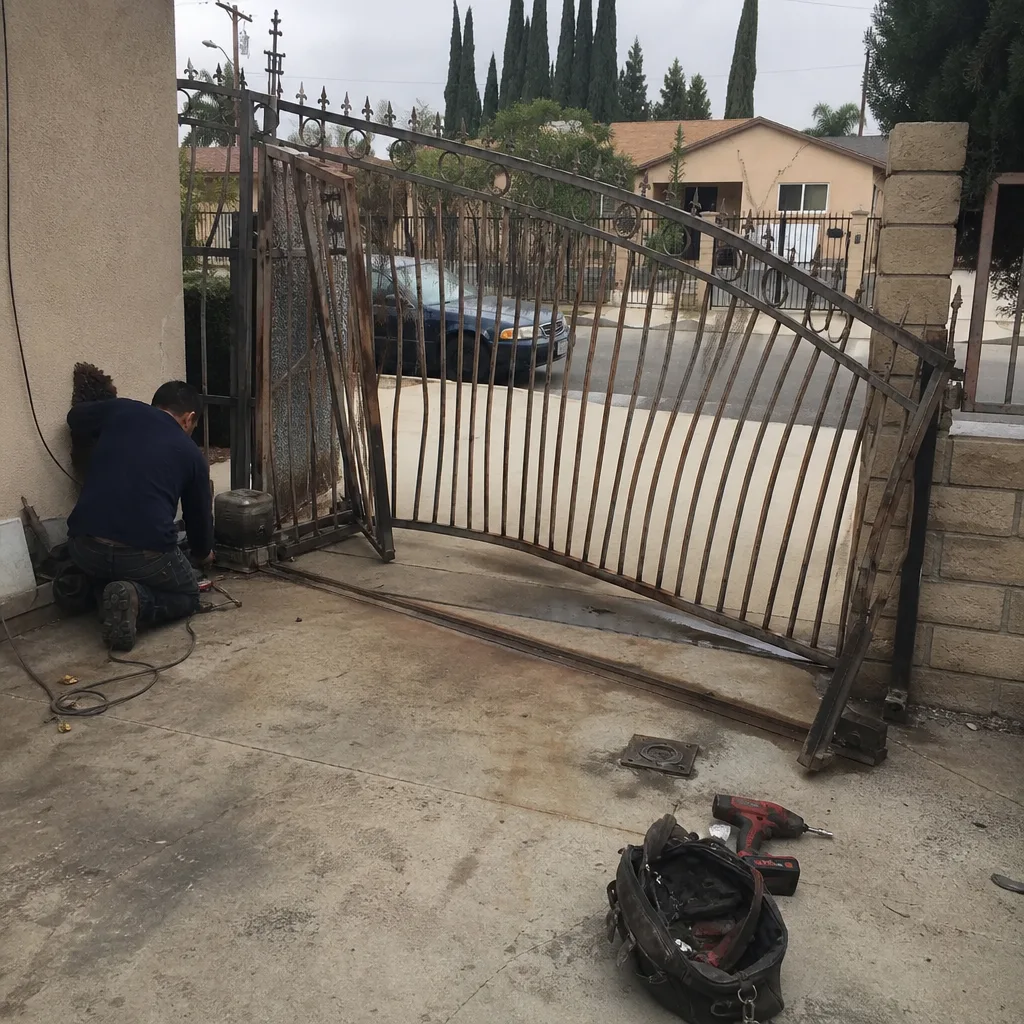 Before
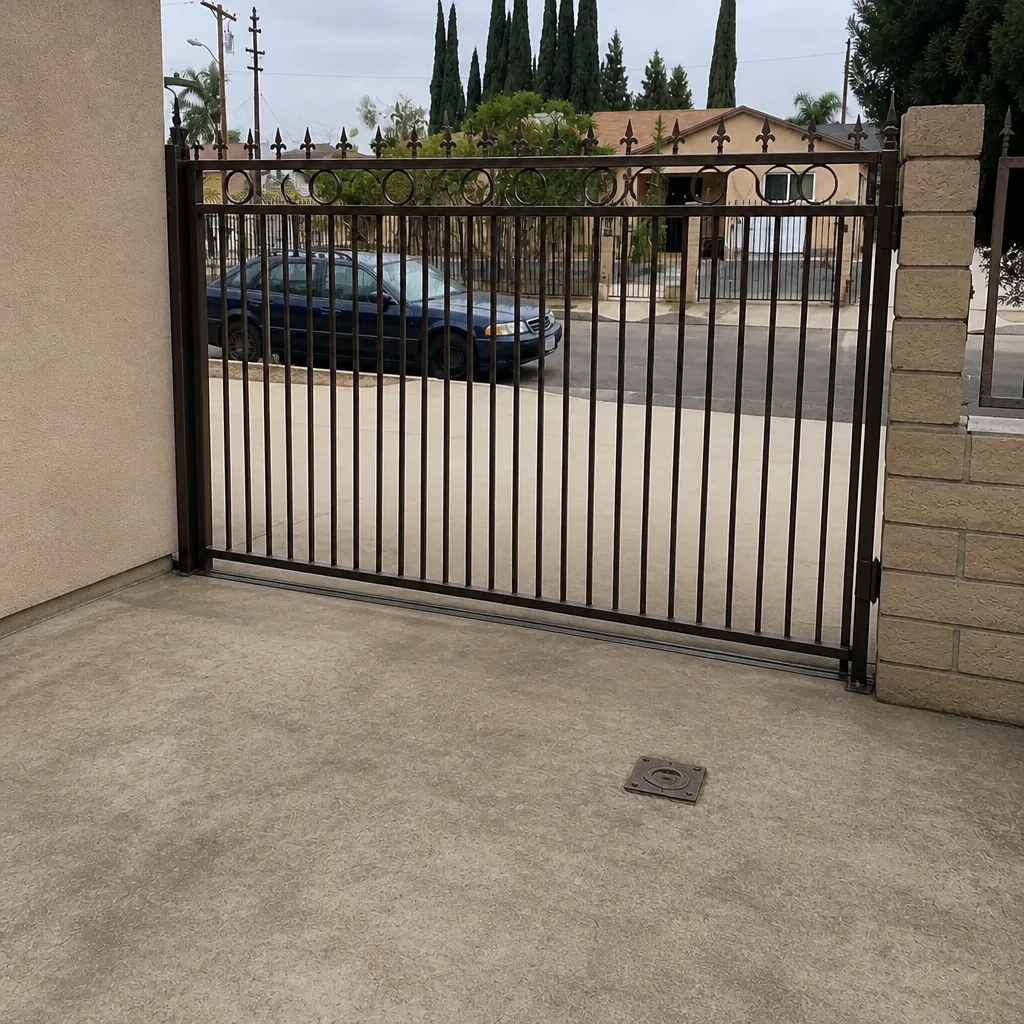 After
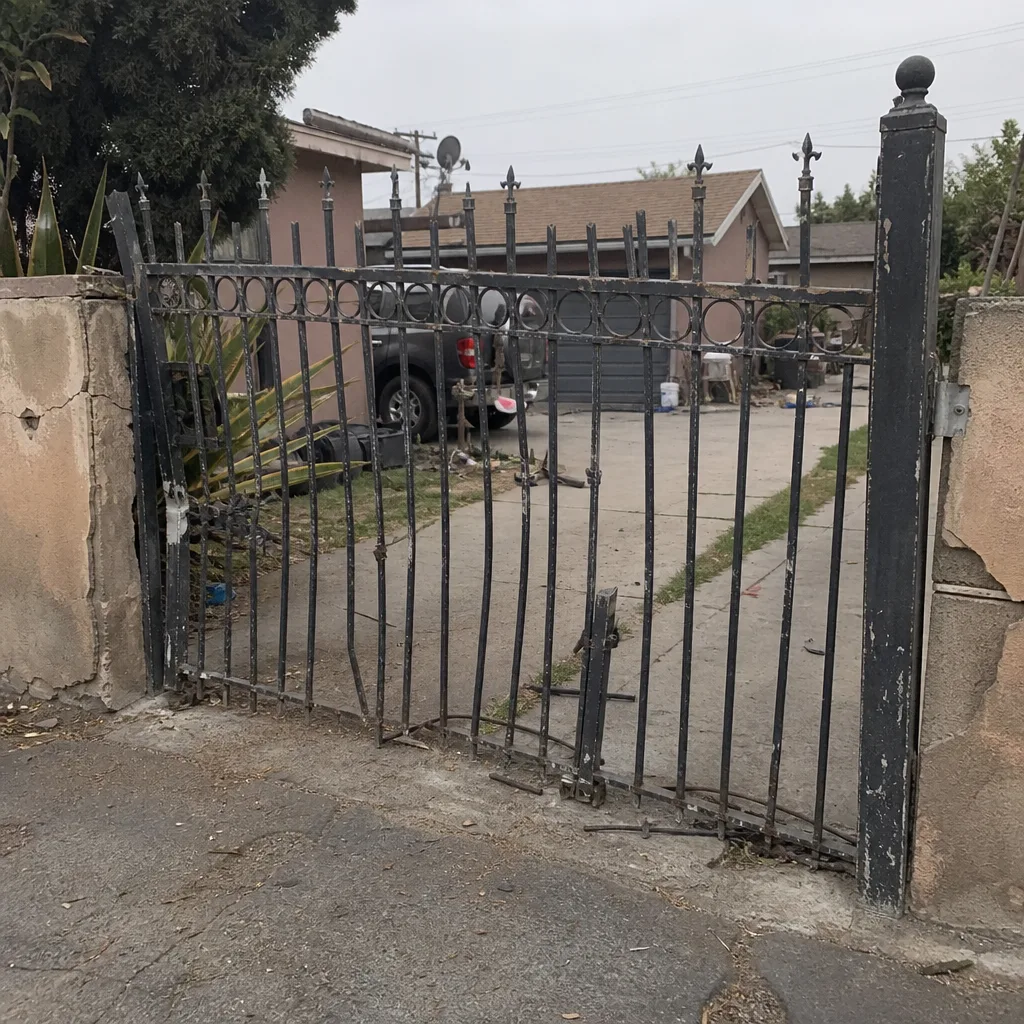 Before
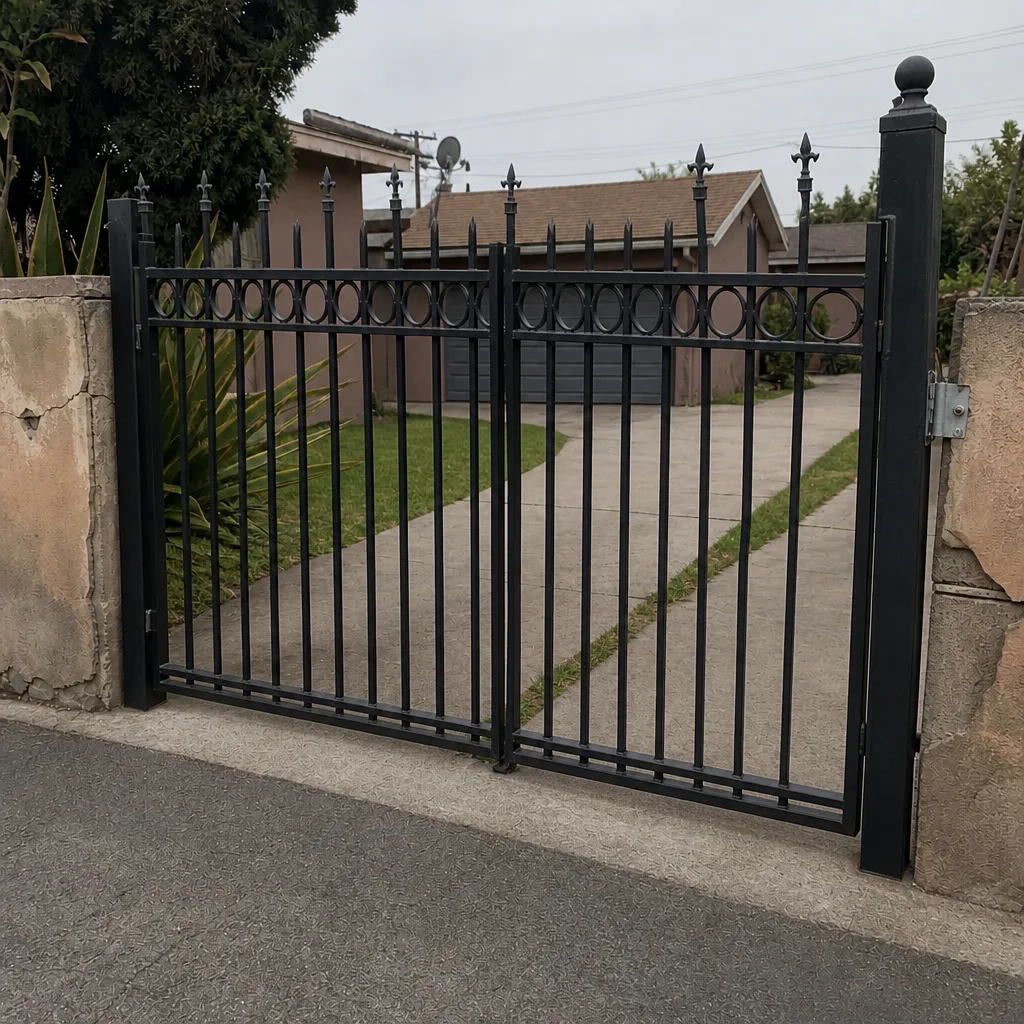 After
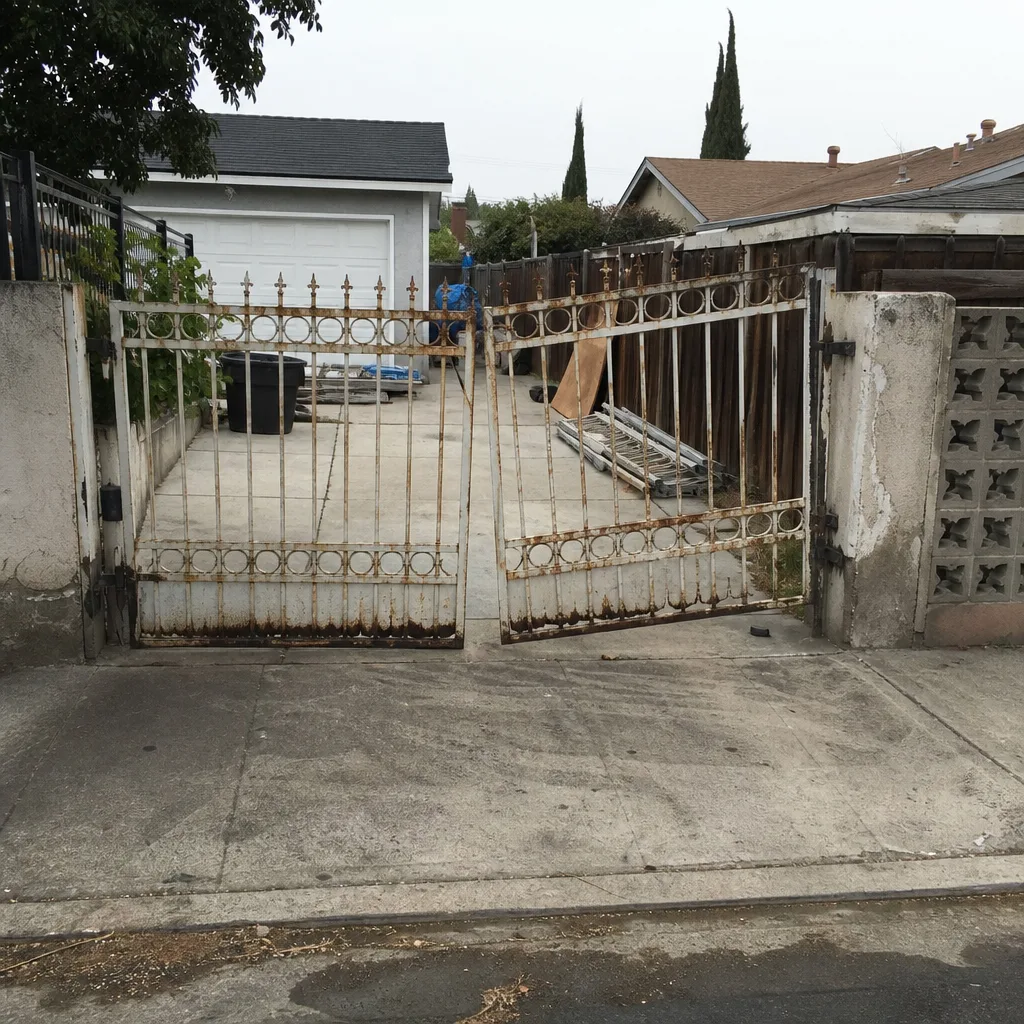 Before
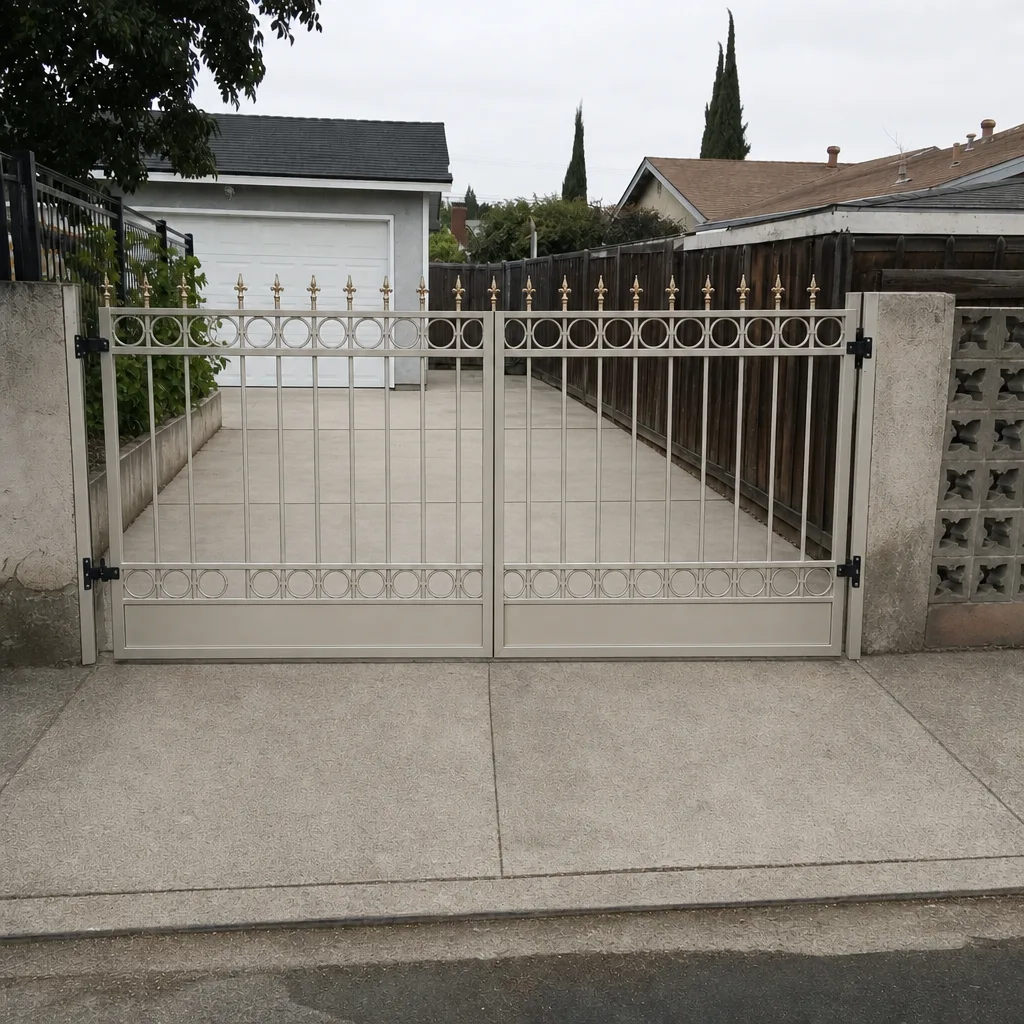 After