
Last updated November 4, 2026
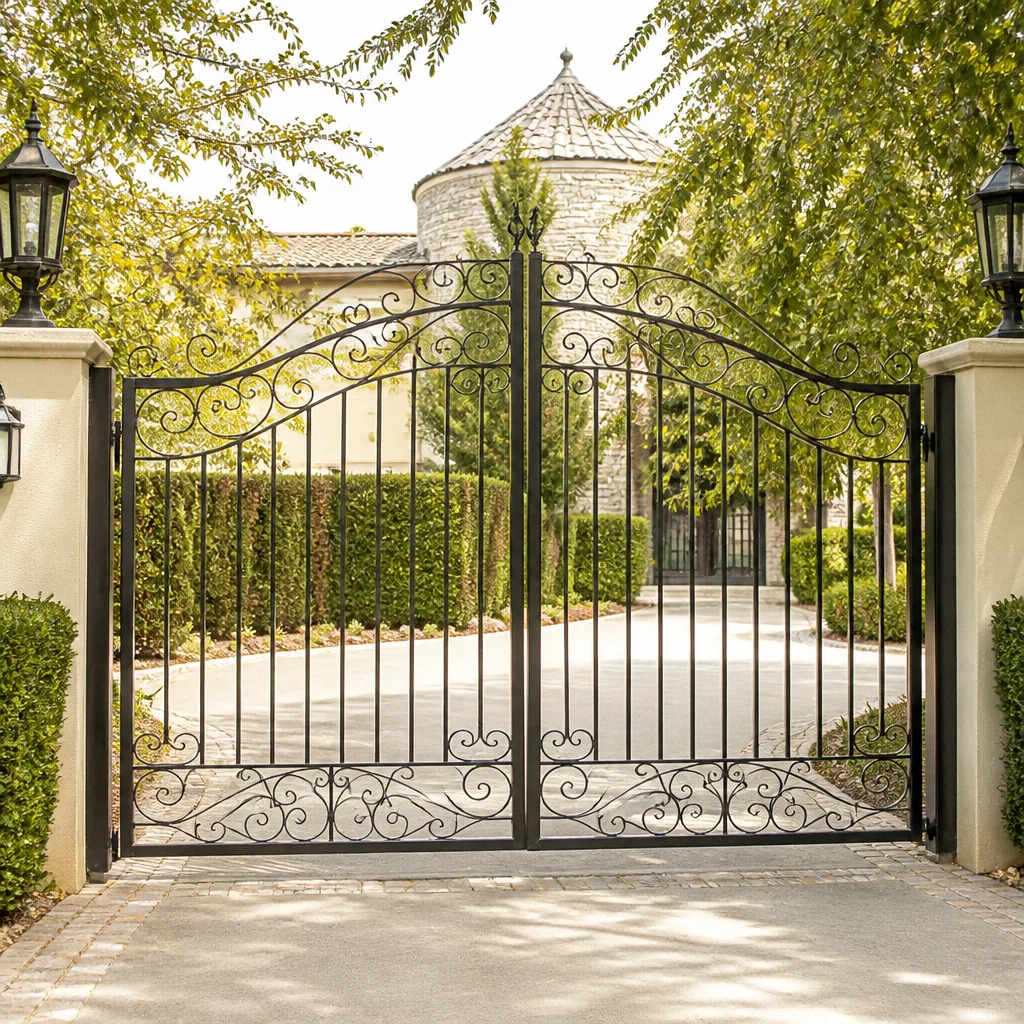 Wrought iron
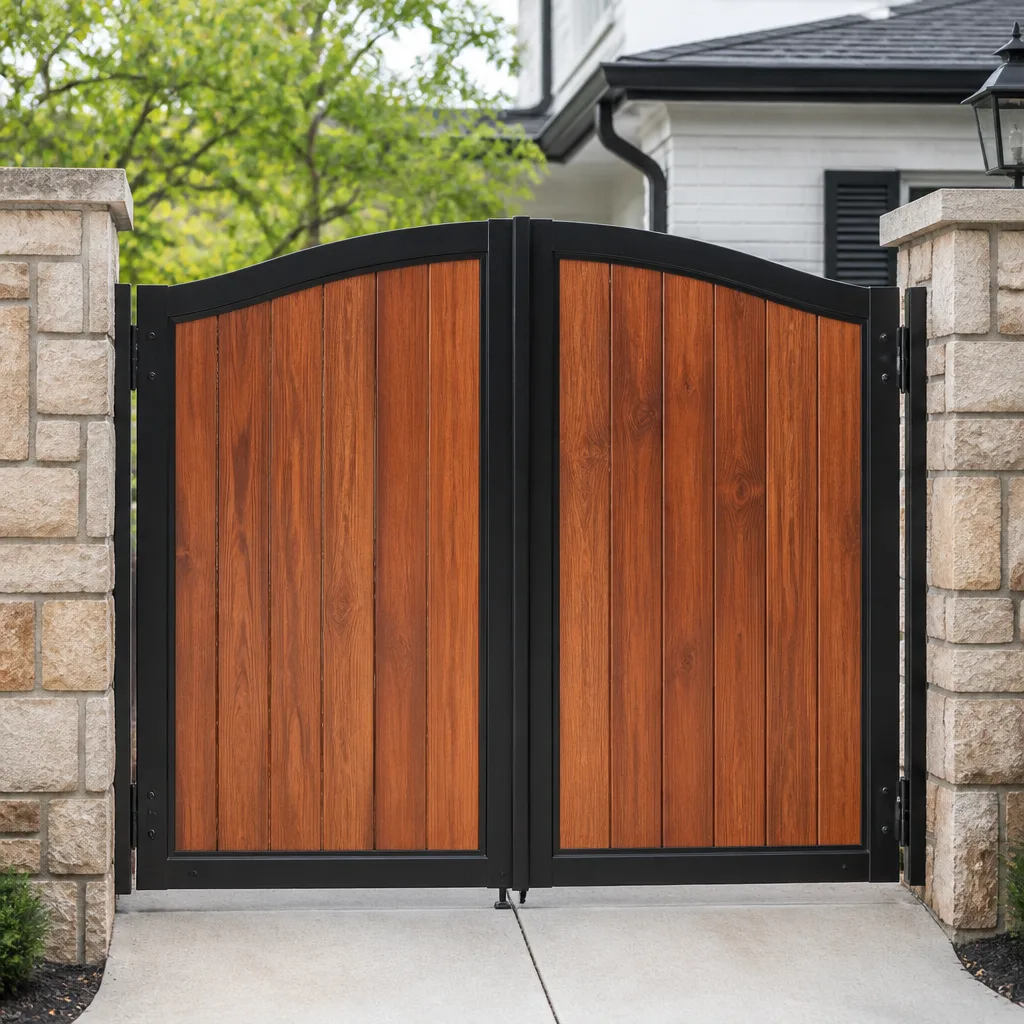 Wood & steel frame
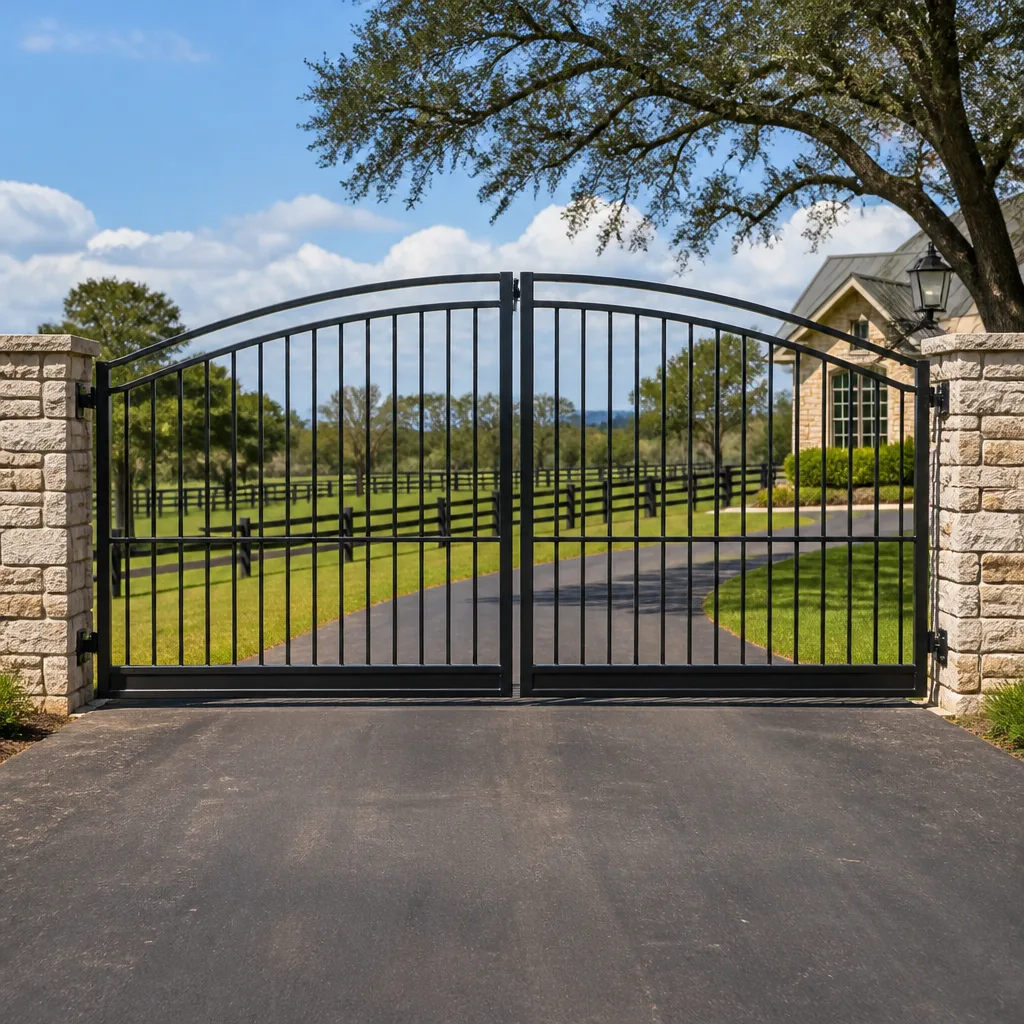 Farm & ranch
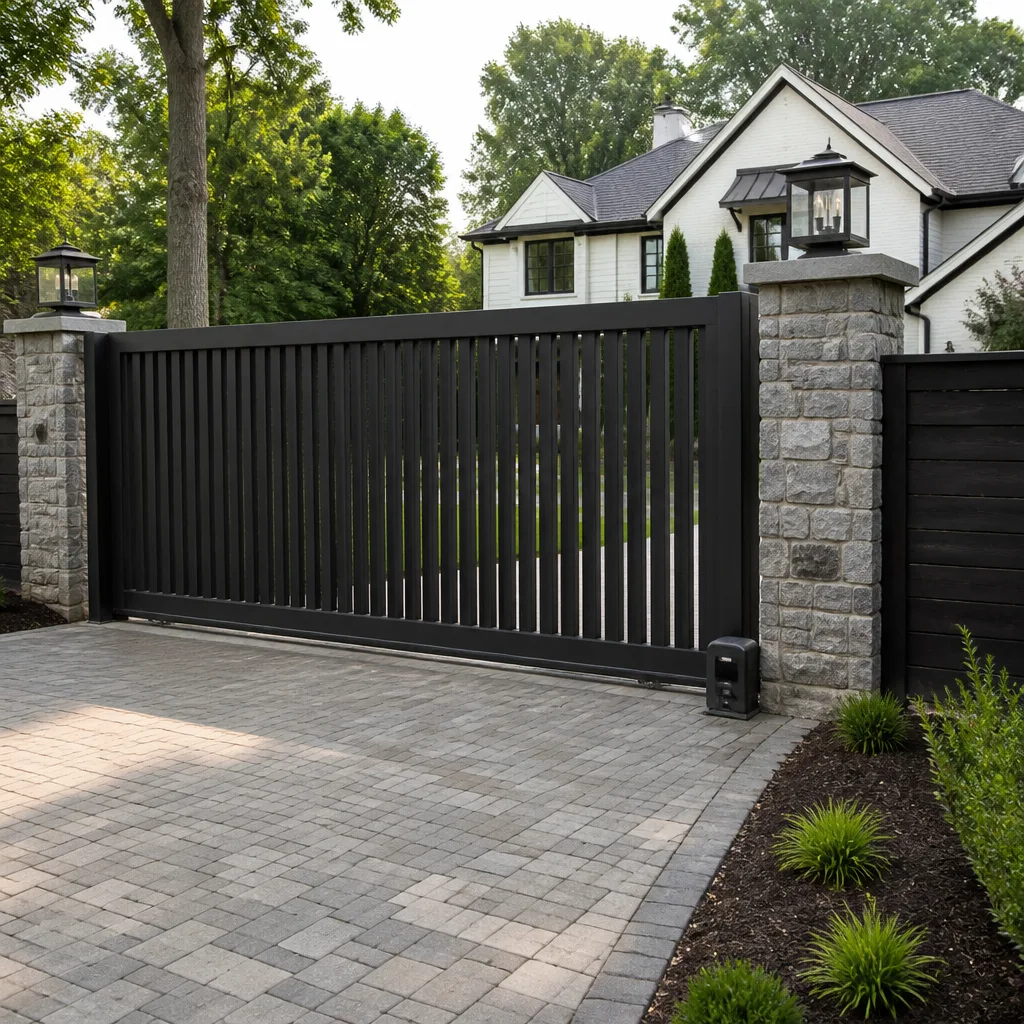 Sliding driveway gates
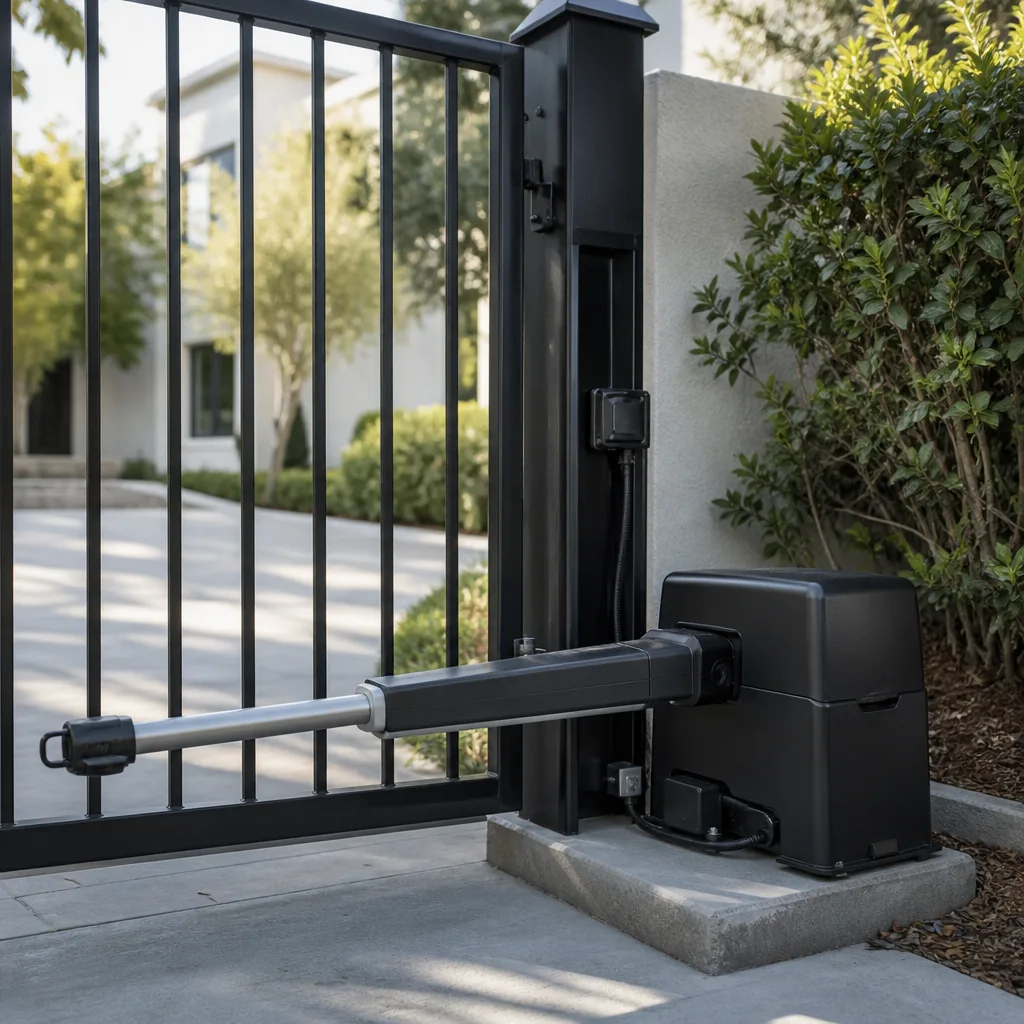 LiftMaster operators
Free on-site gate assessment - hinges, posts, and your LiftMaster or Nice gate operator checked before anything is quoted
The assessment is free and the quote is the invoice.
Get your free estimateGate Repair Cost Breakdown: The Compton Homeowner’s Reference for 2026
Most homeowners in Compton never see the real cost structure behind a gate repair quote. They get a single number and a vague description, then sign off wondering if they just overpaid. The truth is that gate repair pricing is built from distinct layers: parts, labor, access control programming, and the occasional structural surprise hiding behind a leaning post. When those layers stay bundled together, the contractor keeps the information advantage. When you can see them separately, you can compare quotes honestly and catch inflated line items before approving work. This guide breaks every layer down so you can read a gate repair quote the way a technician does.
Styles & brands we work with
- Wrought iron
- Wood & steel frame
- Farm & ranch
- Sliding driveway gates
- LiftMaster operators
Quick Answer
Gate repair costs in Compton typically range from $150 to $1,800 depending on the component that failed, with simple fixes like roller swaps and hinge replacements on the low end and control board or operator replacements on the high end. Labor rates in the Compton and South LA market generally run $85 to $150 per hour, and most repair jobs take one to three hours on site. Parts for common gate systems, including LiftMaster, FAAC, BFT, and Mighty Mule, can range from $20 for a roller set to $900 or more for a full operator arm.
Table of Contents
- Parts Cost Benchmarks for 2026
- Labor Rate Norms in Compton and What Justifies a Higher Rate
- Flat-Rate Repairs vs. Time-and-Materials Jobs
- Hidden Cost Categories That Rarely Appear in Initial Quotes
- How to Use This Breakdown to Get a Comparable Second Quote
- Access Control and Programming Costs
- Common Mistakes to Avoid
- When to Call a Professional
- Frequently Asked Questions
- The Bottom Line
Parts Cost Benchmarks for 2026
This is where most of the confusion starts. The same failure mode can carry very different parts costs depending on whether the contractor quotes OEM (original equipment manufacturer) components or aftermarket equivalents, and whether the gate runs on a residential operator or a light-commercial system. Here is what we typically see across Compton job sites in 2026.
- Hinges: $15 to $80 per hinge. Residential swing gates usually need two or three, so budget $45 to $240 in parts for a full hinge replacement. Heavy ornamental iron gates push toward the higher end.
- Rollers and wheels: $20 to $70 per roller set. Slide gates ride on rollers that wear out over time, especially on Compton properties where gates cycle multiple times daily for vehicle access.
- Photo eyes (safety sensors): $60 to $180 per pair. These fail more often than people expect, and replacing both sides at once is standard practice.
- Exit loops and loop detectors: $80 to $250 for the detector, plus $150 to $400 for cutting and reinstalling the loop if the wire is damaged. Loop work is one of the most common hidden costs on automated gates.
- Control boards: $250 to $900. This is the widest range in gate repair. A basic Mighty Mule residential board sits at the low end, while a DoorKing or FAAC commercial board can exceed $800. OEM boards cost 30 to 50 percent more than aftermarket, and the price difference usually buys better surge protection and longer warranty coverage.
- Operator arms and motors: $400 to $1,500. This is the most expensive component on a swing gate system. A residential LiftMaster or BFT arm runs $400 to $800, while heavy-duty commercial units from FAAC or Viking can hit $1,500 or more.
The takeaway for Compton property owners: ask whether the quote specifies OEM or aftermarket parts, and ask for the part number or at least the brand and type. A line item that says “control board” without a brand is a line item you cannot verify. We work on the brand you already have, which means the quote we write tells you exactly which component is being replaced and what it costs before any work starts. That is the difference between a gate specialist and a generalist who sources parts one job at a time.
Climate matters here too. Compton does not deal with freeze-thaw cycles or snow, so mechanical wear on gates comes primarily from daily cycling, dust, and heat exposure. Electronic components, especially control boards and capacitors, age faster in inland heat. That is not a reason to preemptively replace them, but it is a reason to expect electronic failures on gates that are ten to fifteen years old, even when the mechanical parts still look fine.
Labor Rate Norms in Compton and What Justifies a Higher Rate
Labor is the second layer of a gate repair quote, and it is the one most likely to be padded. In the Compton and South LA market, gate repair labor typically runs $85 to $150 per hour. The spread is real, and some of it is justified.
- Brand familiarity: A technician who works on LiftMaster, FAAC, BFT, and Mighty Mule every week diagnoses faster and fixes correctly the first time. That speed should offset a moderately higher hourly rate because the total hours billed will be lower.
- Confined access: Gates mounted against retaining walls, behind parked vehicles, or in narrow Compton side yards take longer to work on. If the technician has to disassemble part of the gate to reach a hinge or operator, that adds labor time. A detailed quote will show that time rather than lumping it into a vague “repair fee.”
- Commercial vs. residential: Light-commercial gate systems in Compton, the kind on apartment buildings, storage facilities, and small industrial lots, often bill at the higher end of the labor range. The systems are heavier, the safety requirements are stricter, and the diagnostic sequence is longer.
What does not justify a higher rate is vagueness. If a contractor cannot tell you their hourly rate or cannot explain why a job will take four hours when another technician quoted two, that is a red flag. A legitimate quote for gate repair separates labor from parts and tells you the expected time on site before you approve anything.
Flat-Rate Repairs vs. Time-and-Materials Jobs
Some gate repairs are predictable enough to price as a flat rate, and some are genuinely time-and-materials work. Knowing which is which changes how you should read a quote.
Repairs that are usually flat-rate
- Roller and wheel replacement: The parts are inexpensive, the labor is straightforward, and the job takes less than an hour. Expect $180 to $350 total.
- Hinge replacement on a standard swing gate: $250 to $500 total depending on gate weight and how many hinges are being replaced. This includes adjusting the gate to hang level afterward.
- Photo eye replacement: $200 to $400 including parts and a full safety test. This is a standard job on every entry system, and most shops price it flat.
- Remote programming: $75 to $150. Reprogramming a remote or keypad is a quick visit, though some companies bundle it with a service call if other work is being done.
Repairs that are genuinely time-and-materials
- Control board diagnosis and replacement: The technician may need to test voltage, check fuses and limit switches, and rule out wiring faults before confirming the board is dead. That diagnostic time is real and should be billed.
- Gate that will not close or reverses unexpectedly: This could be a safety sensor, a loop detector, a limit switch, or a mechanical obstruction. Diagnosis can take an hour or more before the fix is even identified.
- Leaning post or gate out of alignment: The repair may involve resetting the post in concrete, adding a brace, or shimming the hinges. Until the gate is opened up, the scope is unknown.
- Rewiring or conduit replacement: If the wiring to the operator or safety devices is damaged, the technician may need to pull new wire through existing conduit or run new conduit entirely. That is measured work, not a guess.
The distinction matters for budgeting. Flat-rate jobs should be quoted upfront with confidence. Time-and-materials jobs should come with a diagnostic fee structure that is explained before the technician arrives, and a written estimate before any repair work begins. If a contractor tries to quote a flat rate on a job that is clearly diagnostic-dependent, they are either padding the number to cover unknowns or they plan to come back with a change order. Either way, you pay more than you should.
Hidden Cost Categories That Rarely Appear in Initial Quotes
This is the section that saves Compton homeowners the most money, because these are the costs that appear as “unexpected findings” after the job is underway. They are not always unnecessary; sometimes they are legitimate work that simply was not disclosed. The problem is when they were foreseeable and the contractor omitted them to make the initial quote look better.
- Concrete work for leaning posts: A gate post that has shifted in its footing cannot be fixed by tightening bolts. The post usually needs to be cut, re-set in fresh concrete, and braced while it cures. That is $300 to $800 depending on the post size and access. If your gate sags or scrapes the ground, expect this cost to appear. Ask about it before the first visit, not after.
- Conduit runs for new electrical: If you are converting a manual gate to an automated system, or if the existing conduit is crushed or rusted through, new electrical conduit must be run from the power source to the operator. Depending on the distance and whether trenching is required, this can add $200 to $1,000. Automated gates need line-voltage power and low-voltage wiring for safety devices, and none of that can be skimped.
- Reprogramming fees for access control: If your gate uses a keypad, telephone entry system, or card reader, replacing a control board usually means reprogramming every credential. That is not a five-minute task. Expect $100 to $300 in programming labor on top of the board replacement itself. This applies to apartment and commercial gates in Compton more than single-family homes.
- Safety edge and sensor upgrades: Older gate systems may not meet current safety standards for entrapment protection. When a technician works on an older operator, they may be required to add photo eyes or pressure-sensitive safety edges to bring the system into compliance. That can add $200 to $600. A responsible contractor will tell you this before starting.
- Debris removal and disposal: Old operators, bent gate panels, concrete chunks from post work. Unless the quote explicitly says disposal is included, assume it is not. This is a small cost, usually $50 to $150, but it shows up on enough final invoices that it belongs on this list.
None of these costs are unreasonable on their own. What is unreasonable is discovering them mid-job. Gate Repair Compton quotes these items upfront when they apply, so the written estimate you approve is the price you pay. That is how a trade specialist should operate.
How to Use This Breakdown to Get a Comparable Second Quote
A second quote is only useful if it covers the same scope. If one contractor quotes a control board replacement and another quotes a full operator replacement, you are not comparing the same repair. Here is how to get a second quote without starting the diagnostic process over.
- Ask the first contractor for a written, itemized estimate. It should list parts separately from labor, identify the brand and type of each part, and state the expected hours on site. If they refuse, that is your answer about whether to get a second quote.
- Use the itemized estimate as a scope document. When you call a second company, read them the line items. Tell them exactly what the first technician diagnosed. A competent gate specialist can often quote from that information, or at least narrow the range.
- Ask specifically about the hidden categories. Does their quote include concrete work if the post is leaning? Reprogramming? Disposal? If not, ask why. The answer tells you whether they are being transparent or just hoping you will not notice the change order later.
- Compare parts brands, not just prices. One quote might use an aftermarket board at $250 while another uses an OEM FAAC board at $600. That is not price gouging; it is a different product. Ask each contractor to justify their parts choice in plain language.
- Compare quotes for the same scope of work. If one quote came in during a panic and the other came in after you took a breath, the scope may not match. Compare like to like.
We have seen Compton homeowners save hundreds of dollars this way, not because the second contractor was cheaper, but because they finally saw the full scope in writing and could make an informed decision. That is the entire point of this guide.
Access Control and Programming Costs
Automated and electric gates are not just mechanical systems. They are access control systems, and the programming layer carries its own costs that get buried in quotes more often than any other category. In Compton, where many properties use automated gates for both driveway and pedestrian access, this is worth understanding separately.
- Remote and keypad programming: $75 to $150 for a standard visit. This covers adding remotes, reprogramming a keypad, or syncing a new opener to an existing operator.
- Control board replacement with reprogramming: $300 to $1,100 total. The board itself is $250 to $900, and reprogramming all remotes, keypads, and access devices adds $100 to $300 in labor. On a LiftMaster or Mighty Mule residential system, this is a straight swap. On a FAAC or BFT commercial board, the programming sequence is longer and more involved.
- Telephone entry system integration: $150 to $500. If your gate is tied to a call box or intercom system, replacing the gate’s control electronics may require rewiring the communication between the entry panel and the operator. This is common on apartment gates and gated communities in Compton.
- Loop detector replacement: $200 to $450. The detector sits between the exit loop in the driveway and the operator’s control board. When it fails, the gate will not open automatically for exiting vehicles. Replacing the detector is straightforward; replacing the loop wire buried in the pavement is not, which is why this cost varies so much.
For electric gate repair, the programming is often the part homeowners do not anticipate. They budget for the mechanical fix and are surprised by the access control labor. Now you know to ask about it during the quoting phase. Automated or manual, we handle it, and we tell you the programming cost before we start, not after.
Common Mistakes to Avoid
- Accepting a quote without a parts breakdown. A quote that says “repair gate” with one number is a blank check. Insist on line items. If the contractor will not itemize, they are protecting their margin, not your budget.
- Assuming the cheapest quote is the best value. Aftermarket parts and skipped programming often make a quote cheaper. You find out when the gate fails again in six months or the remotes stop working after a board swap.
- Ignoring the leaning post. A gate that scrapes the ground is telling you something. Putting new hinges on a post that has shifted is a temporary fix you will pay for twice. Address the cause, not just the symptom.
- Not asking about OEM vs. aftermarket before approving parts. Both have their place. A homeowner on a tight budget may choose aftermarket, but that decision should be informed, not made for them by a contractor who pockets the difference.
- Approving a quote that excludes programming. On automated gates in Compton, board replacement without reprogramming means your remotes and keypads will not work when the technician leaves. Make sure programming is in writing.
- Comparing quotes from different scopes. One contractor quotes a hinge replacement, another quotes a full post reset. Those are not the same job. Use the itemized estimate from the first visit to get an apples-to-apples comparison.
- Waiting until the gate will not move. Gates give warning signs: grinding, slow operation, reversing mid-cycle, sagging. Catching a worn roller or failing sensor early is a $200 fix. Letting it become a snapped hinge or burned-out operator is a $1,000 fix.
When to Call a Professional
A gate that will not close is a security problem, and a gate that will not open is a blocked access problem. Both are urgent. But beyond those obvious emergencies, there are quieter signs that professional help is needed now, before a small repair becomes a large one. If the gate grinds, shudders, or sags on one side, a hinge or roller is wearing and the fix is still cheap. If the operator hums but the gate does not move, the motor may be working against a mechanical bind, and continuing to press the remote will make it worse. If the gate reverses after closing, the safety sensors or loop detector are malfunctioning. And if the gate has hit a vehicle or a person, the issue is not a convenience problem; it is a safety and liability problem. In every case, the right call is a specialist who works on gates full time, not a general handyman who will take a guess. Compton properties deserve better than guesswork. Gate Repair Compton offers free estimates in Compton, and we answer phones 24/7. Call (866) 569-6161 to book a visit. We answer 24/7. Fast dispatch from 7am to 7pm, Sunday through Friday.
Frequently Asked Questions
Gate repair in Compton typically ranges from $150 to $1,800 depending on the component that failed. Simple repairs like roller swaps, hinge replacements, and remote programming fall on the low end, while control board replacements and operator arm replacements reach the high end. The written estimate sets the final price. Call (866) 569-6161 for a free estimate.
Yes, in most cases we can dispatch a technician the same day. We answer 24/7. Fast dispatch from 7am to 7pm, Sunday through Friday. Call (866) 569-6161 and we will let you know the soonest available appointment.
Yes. We are factory-familiar with nine major gate brands, including LiftMaster, FAAC, BFT, and Mighty Mule, along with Linear, Viking, Ghost Controls, DoorKing, and Elite. We work on the brand you already have, and our diagnostic approach is brand-agnostic, so the right solution is not limited to one product line.
A full gate installation includes removing the existing gate if one is present, setting or verifying the posts, hanging the new gate, and for automated systems, installing the operator, safety sensors, and access control components. Electrical conduit runs and concrete work for post footings are additional line items that should appear in the written estimate. Call (866) 569-6161 for a free measure and a written price.
The most common causes are a failed control board, a tripped safety sensor, a damaged exit loop, or a mechanical bind in the gate itself. Diagnosing the exact cause requires a technician to test voltage, check the limit switches, and inspect the wiring. Gate repair is all we do, and we diagnose by brand-specific logic, not guesswork. Call (866) 569-6161 to book a diagnostic visit.
Yes. We handle the full electrical scope, including line-voltage power runs, low-voltage wiring for safety devices, photo eye installation, and safety edge installation. From a single broken hinge to a full electric gate installation, the entire gate lifecycle is covered. Call (866) 569-6161 for a quote, and we will include every electrical line item in writing.
The Bottom Line
Gate repair pricing in Compton stops feeling opaque the moment the quote is itemized. Parts, labor, programming, and structural work each have their own benchmarks, and each can be evaluated separately. The homeowners who get the best outcomes are the ones who ask for line items, question vague categories, and get a second quote using a written scope from the first visit. You now know what a control board costs, what honest labor rates look like, and which hidden costs to ask about before the job starts. The estimate is free, and the price is set per job by the written estimate before any work begins.
Written by the team at Gate Repair Compton, serving Compton since 2014.
See the difference
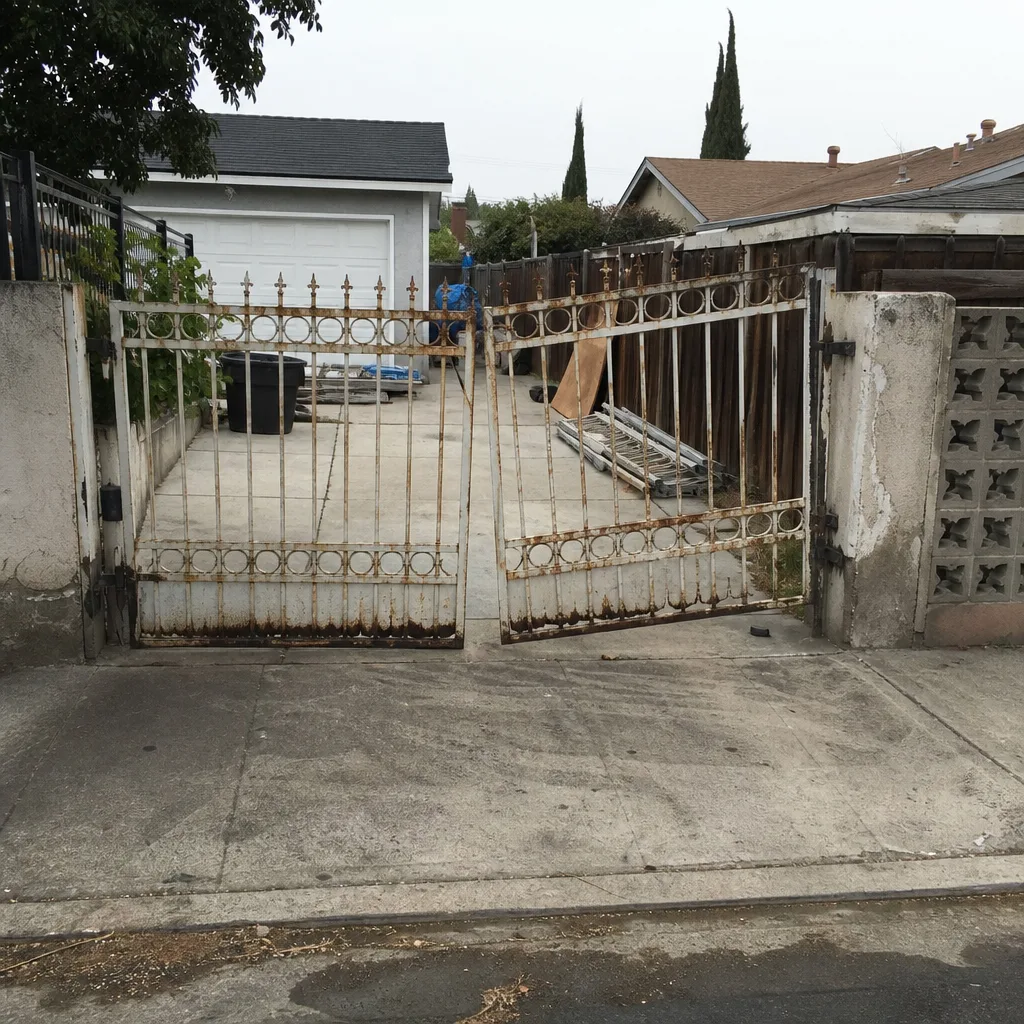
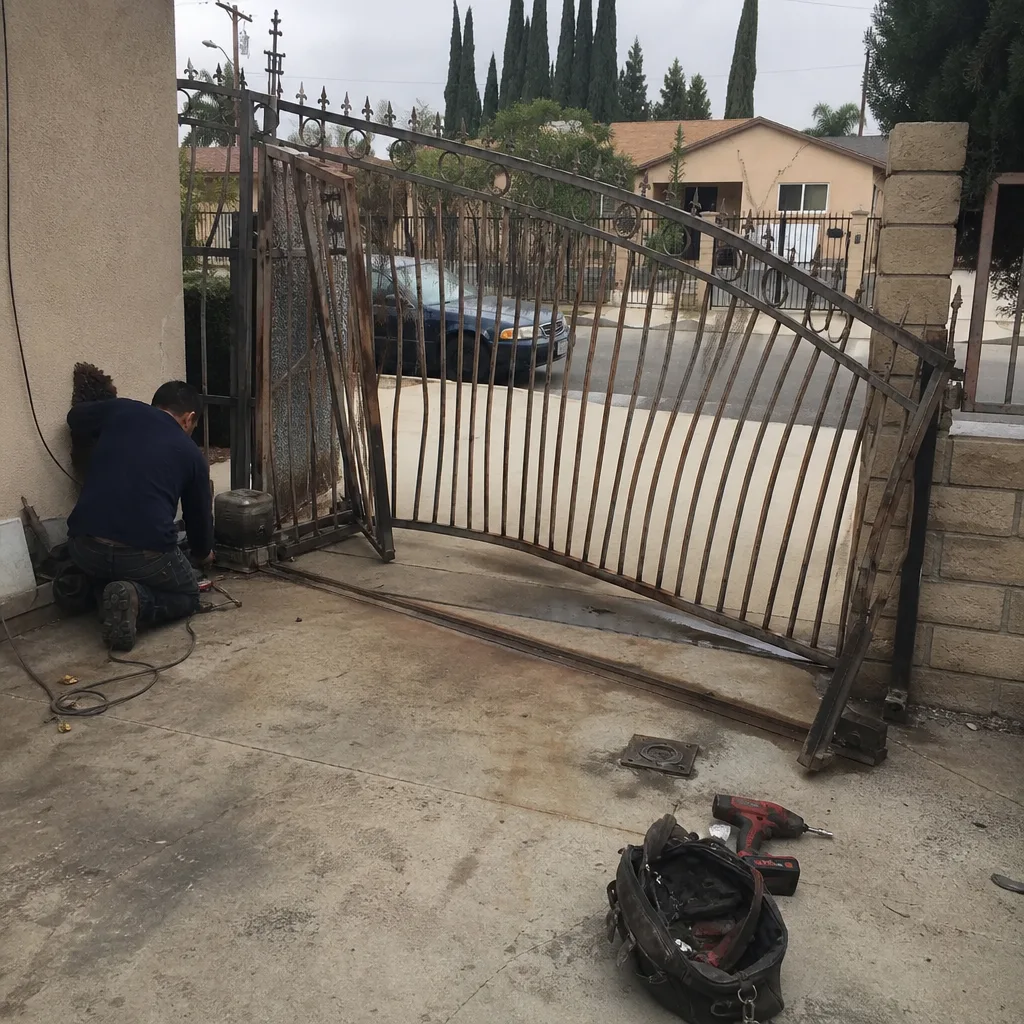 Before
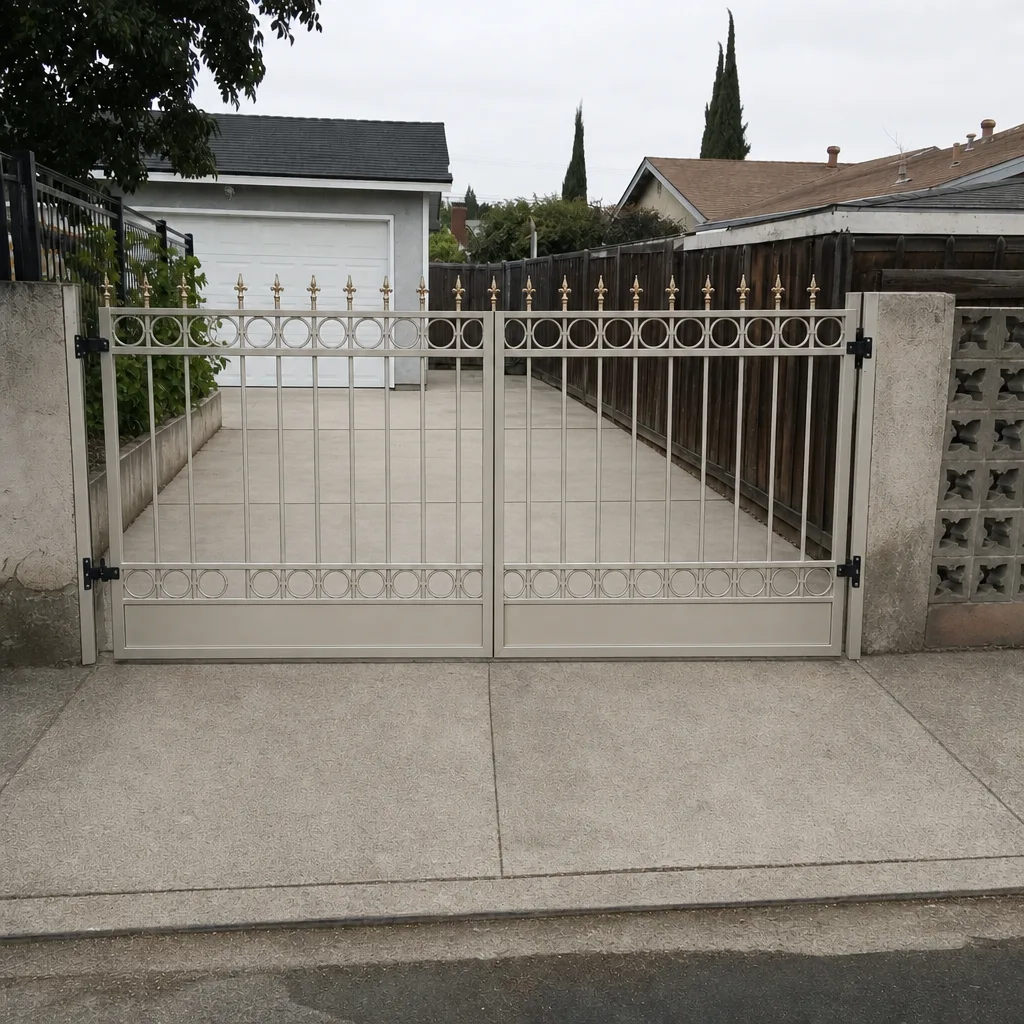
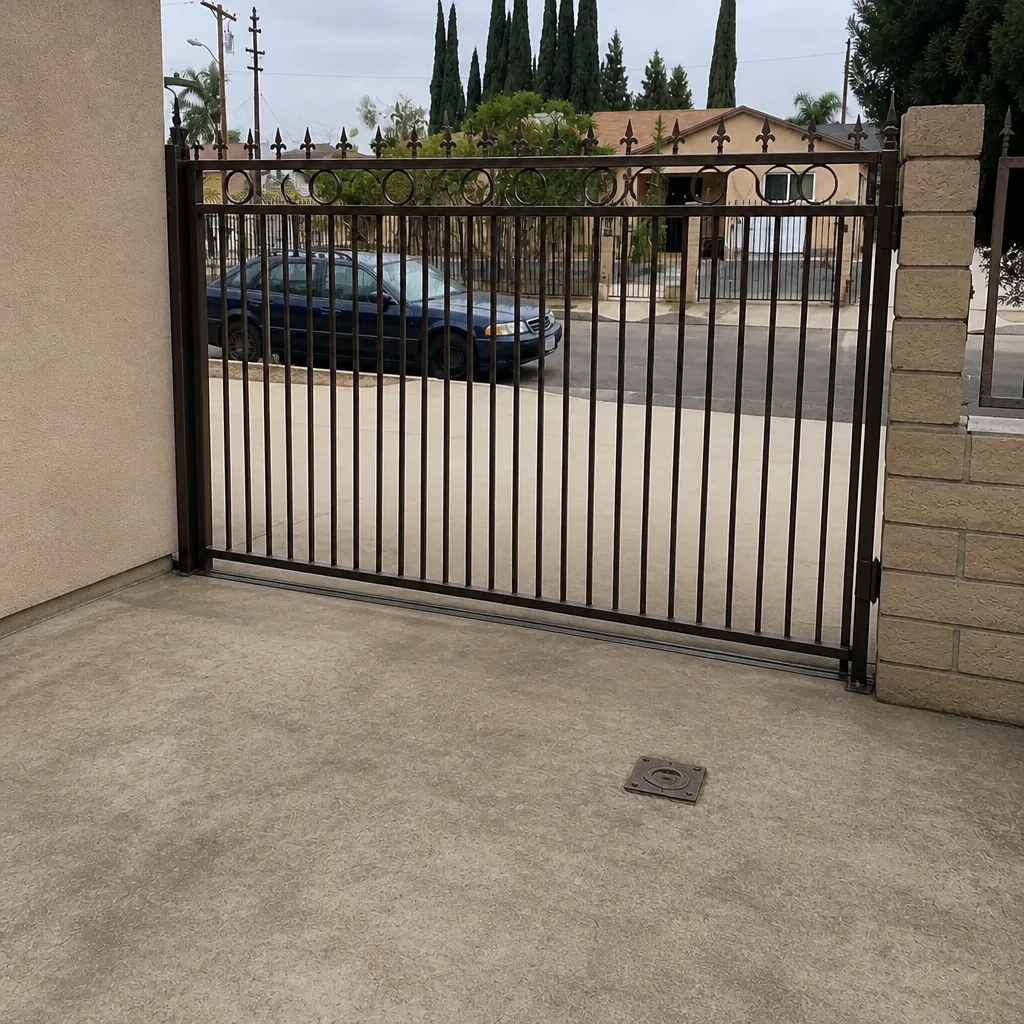 After
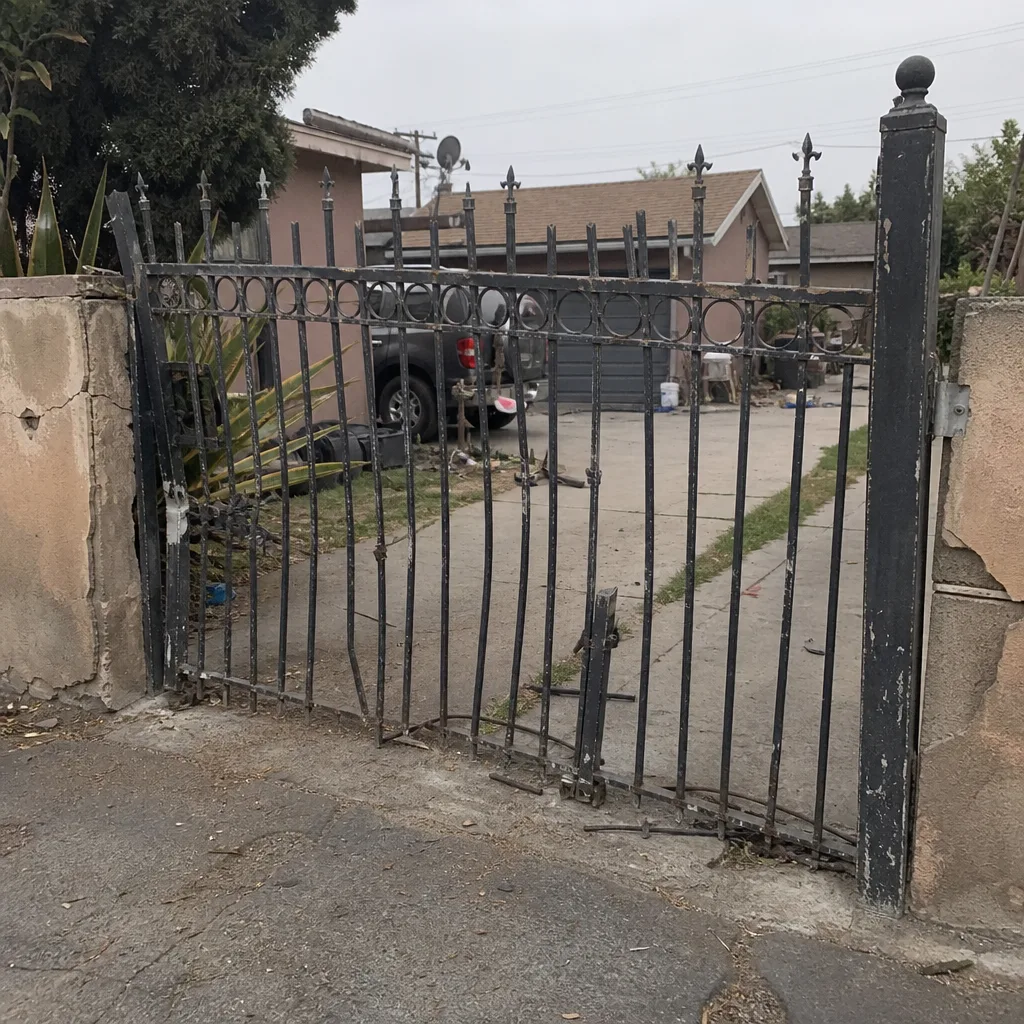 Before
 After
 Before
 After