
Last updated November 4, 2026
 Wrought iron
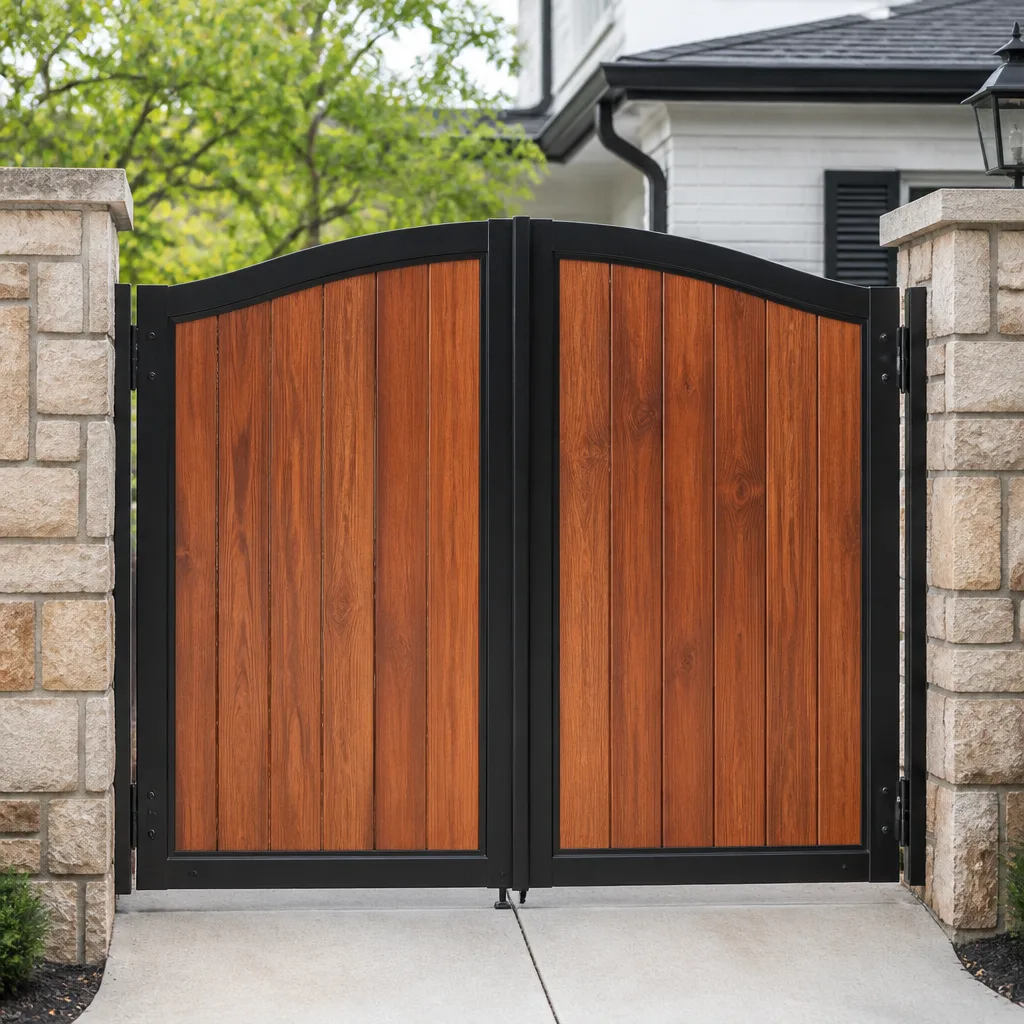 Wood & steel frame
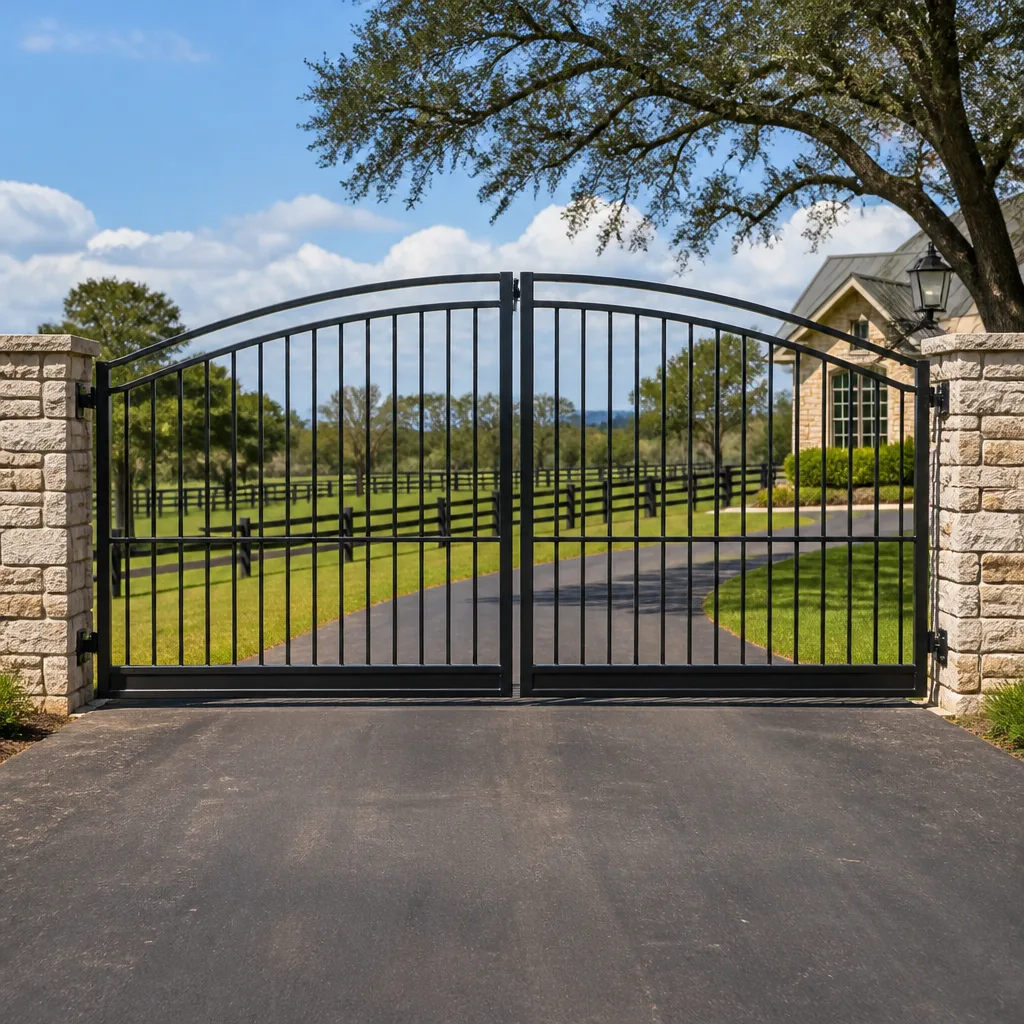 Farm & ranch
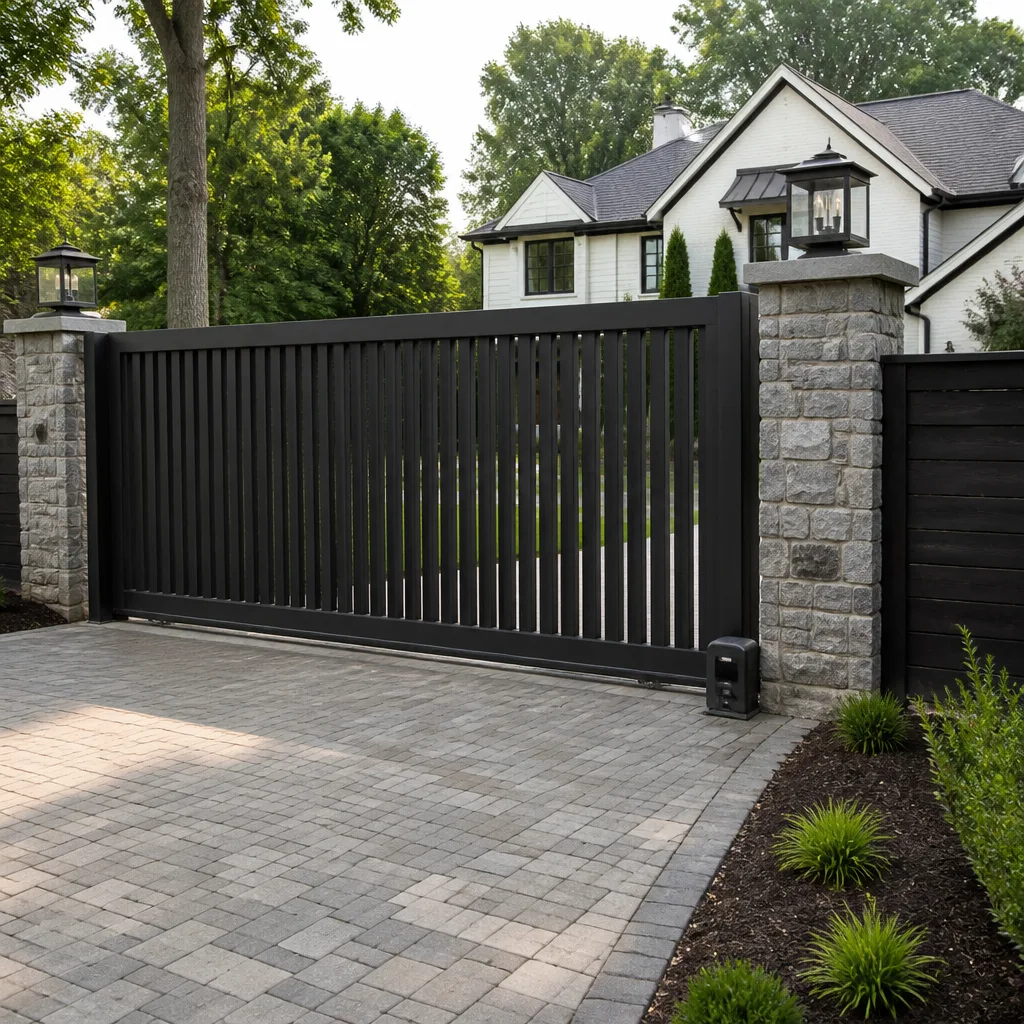 Sliding driveway gates
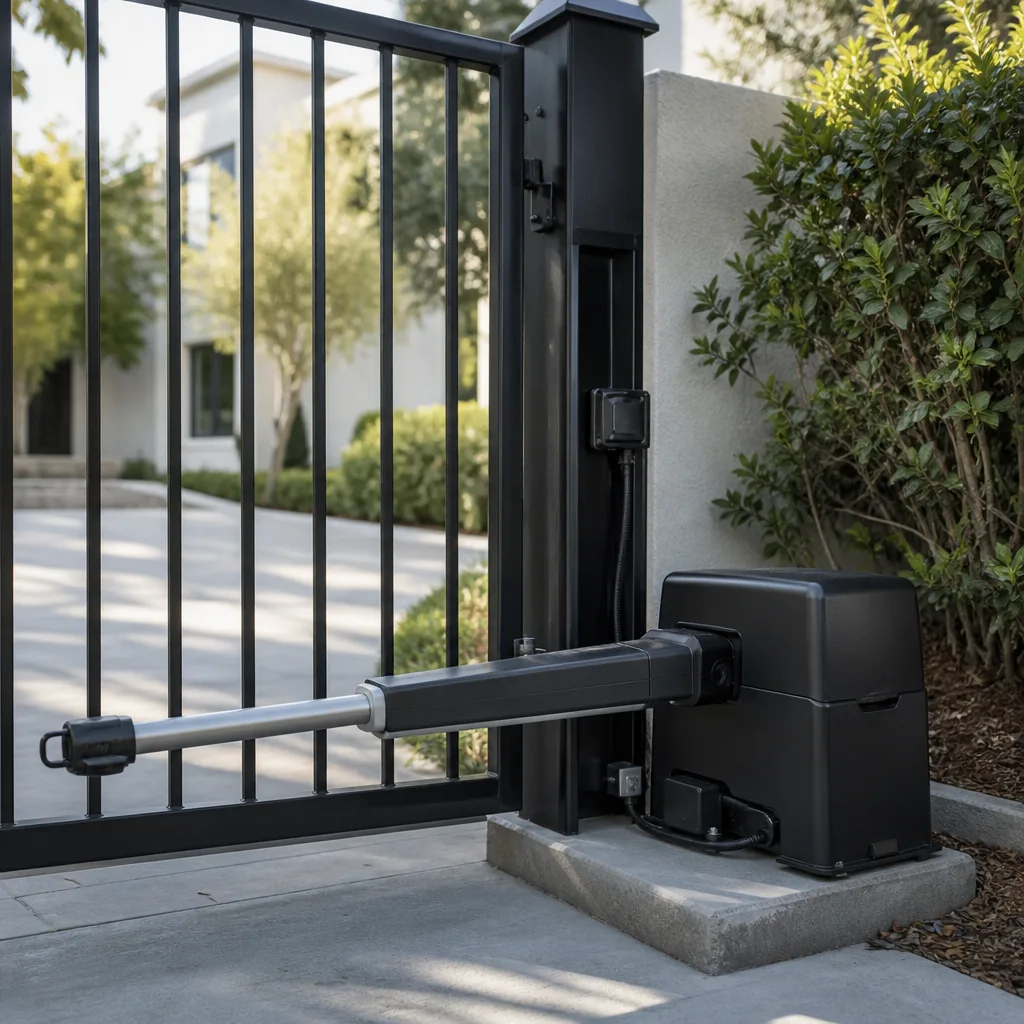 LiftMaster operators
Free on-site gate assessment - hinges, posts, and your LiftMaster or Nice gate operator checked before anything is quoted
The assessment is free and the quote is the invoice.
Get your free estimateGate Repair Maintenance Checklist for Compton Homeowners
Most gate operators in Compton are rated for 15 to 20 cycles per day. A rental property or multi-unit building on Rosecrans or Alondra can hit that by noon, and nobody adjusts the maintenance interval to match. This guide is built around what actually wears gates down here: fine airborne particulate, summer heat that bakes circuit boards inside metal operator housings, winter moisture that gets into limit switches, and cycle counts that tower over what the manufacturer assumed. You will leave with a working checklist, a clear sense of which tasks belong to you and which belong to a technician, and a way to know when you are maintaining a gate versus nursing one toward failure.
Styles & brands we work with
- Wrought iron
- Wood & steel frame
- Farm & ranch
- Sliding driveway gates
- LiftMaster operators
Quick Answer
A Compton gate maintenance checklist should be built around cycle counts first and calendar months second. Lubricate swing hinges, slide V-groove wheels, and overhead track rollers every 500 to 1,000 cycles or every quarter, whichever comes first; test limit switches, safety loops, and photo eyes monthly; and call a gate specialist the moment you hear grinding, see a panel sag, or watch a gate hesitate mid-travel. Owner-safe work is cleaning and lubrication; anything involving wiring, stored spring tension, or operator logic belongs with a professional.
Table of Contents
- Why Cycle Counts Beat Calendar Intervals in Compton
- Lubrication Points by Gate Type: Swing, Slide, and Overhead
- The 10-Minute Safety Test: Limit Switches, Loops, and Photo Eyes
- Compton-Specific Wear: Particulate, Heat, and Moisture
- What a Homeowner Can Safely Do
- What Belongs to a Technician: Tension, Wiring, and Logic
- Signs Maintenance Has Already Been Delayed Too Long
- Common Mistakes to Avoid
- When to Call a Professional
- Frequently Asked Questions
- The Bottom Line
Why Cycle Counts Beat Calendar Intervals in Compton
A cycle is one full open-and-close of the gate. Every cycle pushes current through the operator, works the hinges or wheels, flexes the wiring at the hinge point, and sends the gate through its safety checks. Calendar-based maintenance says “lubricate every three months.” But a single-family home with two cars might run 12 cycles a day. A Compton rental with four units and street parking pressure might run 80. Same calendar, completely different wear. If you own a gate on a busy residential lot or a small commercial property near the Gateway Towne Center, your maintenance clock needs to run on cycle counts, not pages on a calendar.
Here is the simple framework we use when assessing a gate in Compton:
- Low cycle: under 15 open-close pairs per day. Standard quarterly lubrication and a monthly visual check are adequate.
- Medium cycle: 15 to 40 cycles per day. Lubricate every 8 to 10 weeks. Test safety devices every two weeks.
- High cycle: 40+ cycles per day, common on multi-unit rentals and small commercial gates. Lubricate monthly. Test limit switches and photo eyes weekly. Look for heat stress on the operator housing during summer.
You do not need to install a counter. Walk out for three days, count how many times the gate opens between 7am and 7pm, and multiply. Most people underestimate their daily count by half. Once you know the number, maintenance stops being guesswork and starts being arithmetic.
Lubrication Points by Gate Type: Swing, Slide, and Overhead
Lubrication is the single highest-value owner maintenance task for any gate repair prevention plan, but the points differ completely by gate type. Spraying the wrong spot, or using the wrong product, does nothing except attract more dirt. Compton’s dry-season particulate is fine enough to mix with wet lubricant into a grinding paste, so product choice matters as much as location.
Swing Gates
- Hinge pins and hinge barrels: the bearing surface where the gate leaf swings. Use a dry PTFE or silicone spray, not grease.
- Hydraulic or electromechanical arm pivot points: both ends of the arm where it attaches to the gate and the post.
- Lock throw and receiver plate: where the latch or maglock catches. A small shot of dry lubricant prevents sticking.
- Drip loop and wire chafe points: inspect where the low-voltage wire flexes at the hinge. Lubricant is not the fix here, but you should look for cracked insulation while you are down there.
Slide Gates
- V-groove wheels and the V-track they ride on: clean the track first, then lubricate the wheel bearings. Never grease the track surface itself; it collects grit and accelerates wear.
- Rack and pinion teeth: if the gate is chain-driven, a light coat of dry lube on the chain. If rack-driven, keep the gear rack clean and lightly coated.
- Cantilever rollers: the bearing wheels inside the frame that carry the gate. These are easy to forget and very common to replace.
Overhead Track Gates
- Rollers and track: clean the track channel with a dry brush, then lubricate roller bearings only.
- Hinge plates between panels: a few drops of oil at each joint.
- Brake and clutch assembly: visible, light duty. Anything requiring adjustment is not an owner task.
Dry lubricant is the default choice in Compton because it does not hold the fine dust that blows around the flats through summer. Wet grease on a slide track becomes a grinding compound within weeks. If you inherit a gate that is already packed with old grease, clean it out before applying anything new.
The 10-Minute Safety Test: Limit Switches, Loops, and Photo Eyes
You can test the three safety systems on an automated gate in under ten minutes with no tools. This is the highest-margin ten minutes in gate ownership, because each one of these failures is a known injury vector, and Compton properties with pedestrian traffic near the gate need all three working.
- Photo eyes (also called safety beams). Stand inside the gate path. Press the remote or keypad to close the gate. Wave your hand through the beam between the two photo eyes, about shin height. The gate should stop and reverse immediately. If it keeps closing, you have a failed photo eye or a bypassed circuit.
- Safety loops. This one requires what you are probably already holding: your car. Drive slowly toward the gate from one side. It should open before your bumper crosses the loop cut in the pavement. Repeat from the other side. If the gate opens late or not at all, the loop detector or loop wire is failing.
- Limit switches. Open the gate fully. The operator should stop the gate cleanly at the open limit without slamming into the post or stopping short by more than an inch. Close it and watch the same at the closed limit. A gate that bounces off the post, stalls short, or grinds at either end has a limit switch that is out of adjustment or failing.
- Pressure reversal. Start closing the gate and place firm resistance against the leading edge with your hand. A properly set operator should reverse on contact. Do not put your body behind the gate; use your arm and stay clear of the track.
Write the date of the test down somewhere you will see it. Four dates a year, four lines on a notepad in the operator housing, and you have a documented maintenance record. That matters when a tenant or visitor has a close call and wants to know whether the gate was being maintained.
Compton-Specific Wear: Particulate, Heat, and Moisture
Compton’s climate is not extreme by national standards, but it punishes gate hardware in three specific ways that a generic checklist written for Seattle or Phoenix will miss. The first is airborne particulate. Compton sits inland, and the air carries fine dust and soot from traffic on the 91 and 710 corridors, from industrial lots, and from dry-season wind. That particulate settles into every lubricated surface and every electrical contact. The second is summer heat. Operator housings in direct sun on an August afternoon can sit 40 degrees above air temperature. Circuit boards age faster at that temperature, and capacitors are usually the first component to fail. The third is winter moisture, not from rain volume but from condensation. Cool nights and foggy mornings put moisture inside limit switch housings and photo eye exteriors, corroding contacts slowly through the season. A Gate Repair Compton checklist has to prioritize cleaning, contact inspection, and shaded or ventilated operator housing around all three realities.
None of this is dramatic. It is cumulative. A gate that runs fine for eleven and a half months out of the year can fail in the middle of the twelfth because corrosion reached a contact, a capacitor finally cooked, or a bearing packed with grime seized. The maintenance interval is how you stay ahead of that accumulation.
What a Homeowner Can Safely Do
There is a clear line between owner maintenance and technician work, and the line is drawn by risk. If the task cannot injure you or make the problem worse when done wrong, it is owner-safe. If it involves stored spring tension, line voltage, or the logic board, it is not.
Owner-safe tasks:
- Cleaning the track, V-groove, or hinge debris
- Dry lubrication at the points listed above
- Visual inspection of wiring insulation, hinge welds, and wheel wear
- Testing photo eyes, safety loops, limit stops, and pressure reversal
- Clearing vegetation that touches the gate frame or sensor path
- Snugging visible bolts on non-tensioned hardware with a hand wrench
Owner-safe does not mean consequence-free. An unlubricated slide gate wears its V-groove wheels into flat spots and then rides the track unevenly, which cascades into motor strain. A photo eye left dirty long enough reads as a fault and the gate defaults to holding open, which defeats the security. These tasks are simple but they are not optional if you want the gate to last.
What Belongs to a Technician: Tension, Wiring, and Logic
Some gates hold energy even when powered down, and that energy is where the danger lives. A slide gate does not have torsion springs, but a swing gate with a spring-loaded closer or hinge does, and stored spring tension will break a hand, a finger, or a jaw if it releases under load. We do not give step-by-step instructions for releasing, resetting, or adjusting any tensioned component. The same rule applies to the operator’s wiring. The capacitor inside an operator housing can hold a charge after the breaker is off, and line voltage is present where the operator connects to the panel. Electric gate repair is not a trade adjacent to homeowner electrical work; it is its own discipline.
Technician-only tasks include:
- Adjusting or replacing limit switch assemblies
- Diagnosing and replacing photo eye or loop detector circuits
- Any work involving the operator capacitor, motor windings, or logic board
- Tensioned hinge adjustment on swing gates
- Gearbox or chain tension repair on slide gates
- Full operator replacement or brand conversion
We work on the brand you already have. LiftMaster, FAAC, BFT, and Linear all use different diagnostic logic and different failure signatures, and a technician who only knows one manufacturer’s boards will misread the others. Gate repair is all we do, which means the diagnostic step goes faster and the fix is usually more targeted.
Signs Maintenance Has Already Been Delayed Too Long
Most gates do not fail suddenly. They telegraph the failure for weeks or months first, and those signals are easy to read if you know what you are listening for. If you are hearing or seeing any of these on a Compton gate, routine maintenance is already behind you and repair is imminent.
- Grinding during travel: metal-on-metal contact where a bearing or wheel has failed or a track is full of grit.
- Hesitation mid-cycle: the gate starts, pauses, and then continues. This can be a failing capacitor, a limit switch arcing, or a motor winding overheating.
- Sagging swing gate leaf: hinges are wearing, and the gate is dragging on the closing post or the pavement. Every cycle makes the sag worse.
- Operator hums but gate does not move: the motor runs but the drive train is stripped, the chain is off, or the gearbox has failed.
- Photo eye fault and gate holds open: dirty or misaligned sensors are the common cause, but a failing sensor board produces the same symptom.
- Remote range dropping: the receiver antenna is degraded, the board is aging, or local interference has changed. It is rarely the remote battery alone.
Our experience is that the grinding noise is the one Compton homeowners wait longest on, because the gate still opens. It is also the one that converts a bearing replacement into a whole drive unit replacement.
Common Mistakes to Avoid
- Using automotive grease on a slide track. It packs with Compton’s fine particulate within weeks and becomes a lapping compound. Use dry PTFE or silicone.
- Assuming the remote battery is dead when range drops. Range loss is usually the receiver, not the remote. Replacing the remote first wastes money.
- Adjusting the limit switches by feel. Most limit adjustment is digital or via a potentiometer now. Turning it “a little more” without the manual can send the gate crashing into the post.
- Ignoring a sagging swing gate because it still closes. Sag means hinge wear, and hinge wear under load accelerates fast. Adding a wheel to the bottom of the leaf masks the symptom without fixing the hinge.
- Treating safety devices as optional after an error code. A bypassed photo eye or loop is a liability. When it fails a second time, fix the device, not the fault loop.
- Lubricating without cleaning first. New lubricant over old grit just suspends the grit. Clean, then lube, every time.
- Assuming a new operator fixes an old track problem. A new motor on a dragging slide gate burns out the same way the old one did. The gate must travel freely before the operator gets blamed.
When to Call a Professional
Call when the gate is still stopping short of the post, still reversing mid-cycle, or still making noise after you have cleaned and lubricated the obvious points. Call when the safety devices fail the 10-minute test twice. Call when the gate has hit a vehicle, a person, or a pet, even if everyone is fine, because something in the safety chain failed and it will fail again. Call when the operator is more than about eight years old and repairs are stacking up; at some point the honest move is replacement rather than repeated board-level fixes. Compton properties with commercial traffic or tenants cannot afford a gate that works intermittently. Gate Repair Compton offers free estimates in Compton. Call (866) 569-6161 and we will put a number on the repair before any work starts.
Frequently Asked Questions
Maintain it by cycle count, not by calendar. A low-cycle residential gate needs lubrication and a visual check every three months; a high-cycle multi-unit or commercial gate in Compton needs lubrication monthly and safety-testing weekly. The free estimate we give you will include a maintenance interval recommendation for your specific usage.
Failed limit switches and photo eyes are the most common failures we see on automated gates in Compton, followed by worn slide gate V-groove wheels. The particulate in the air accelerates contact corrosion, and the summer heat ages operator boards faster than a coastal climate would.
Yes. Lubrication of hinges, V-groove wheel bearings, and overhead rollers is an owner-safe task when you use a dry PTFE or silicone spray and clean the surface first. Do not apply grease to tracks, chains under tension while moving, or any component inside the operator housing.
Maintenance issues respond to cleaning and lubrication. Repair issues do not. A gate that grinds after lubrication, hesitates mid-travel, reverses without reason, or fails a photo eye test needs a technician’s diagnostic, not another round of spray.
We work on the brand you already have. Gate Repair Compton services LiftMaster, FAAC, BFT, Linear, and the other major gate automation brands. We are not tied to one manufacturer, so the diagnosis follows the equipment’s own logic rather than a push to swap brands.
A maintenance visit includes cleaning and lubricating all moving points, testing limit switches, photo eyes, safety loops, and pressure reversal, inspecting wiring and hinge welds, and tightening hardware that has worked loose. It ends with a written note on what was done and what is wearing, so you know what is next before it fails. Call (866) 569-6161 for a free estimate. We answer 24/7. Fast dispatch from 7am to 7pm, Sunday through Friday.
The Bottom Line
A Compton gate works harder than the manufacturer assumed, and the maintenance schedule should reflect it. Count cycles, clean before lubricating, test the safety chain monthly, and keep your hands off the wiring and the springs. The gate will last longer, fail less often, and cost less to repair when it does fail. It holds up better against Compton’s particulate, heat, and moisture when it is maintained on its actual usage rather than a generic calendar. And when something crosses the line from maintenance into repair, the fix should start with a phone call and a free estimate, not another few months of hoping the noise goes away.
Written by the team at Gate Repair Compton, serving Compton since 2014.
See the difference
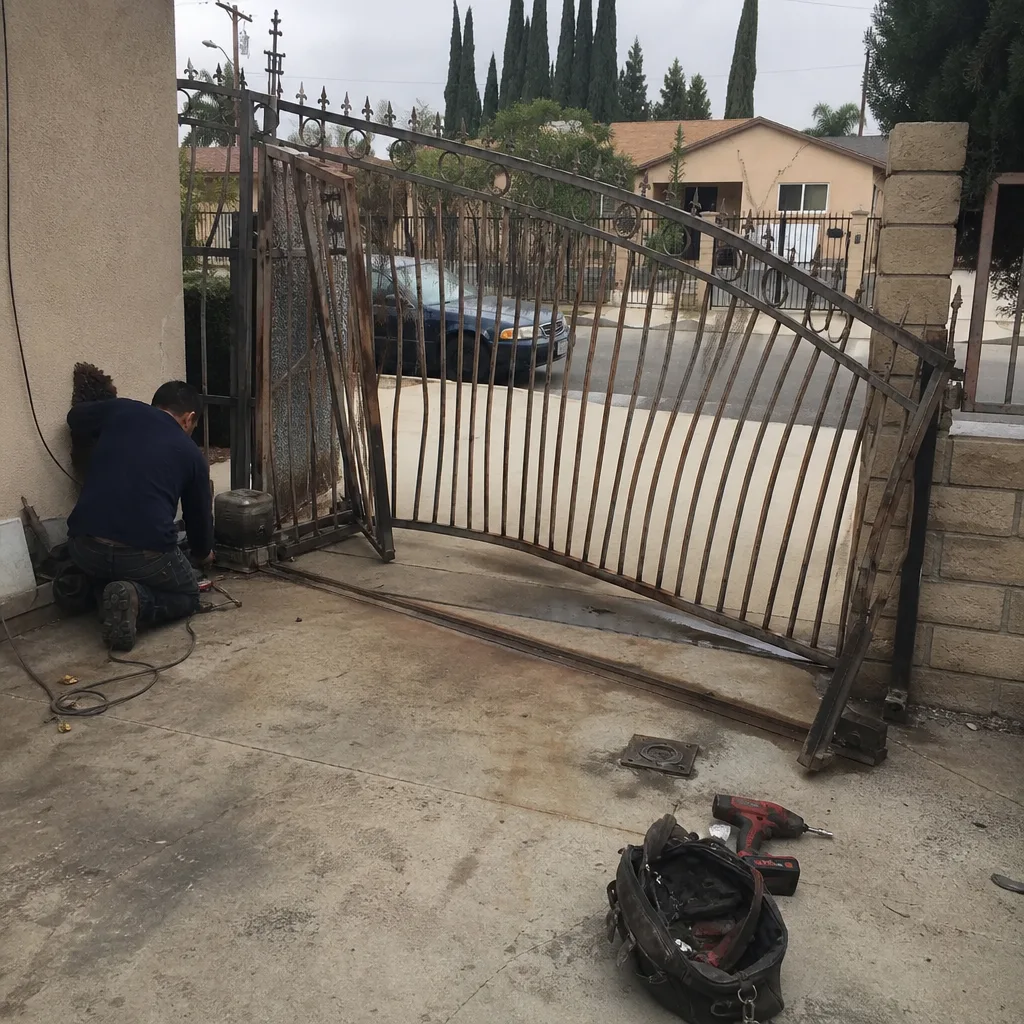 Before
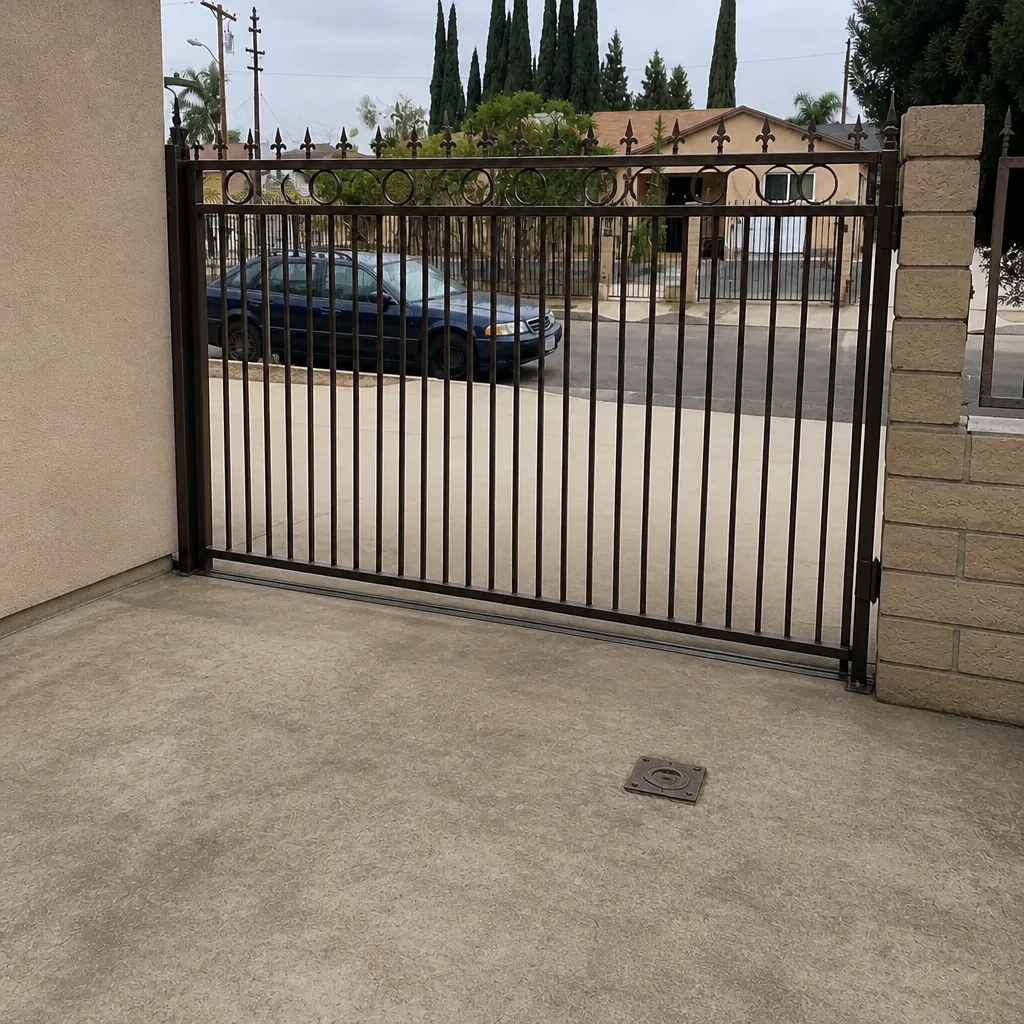 After
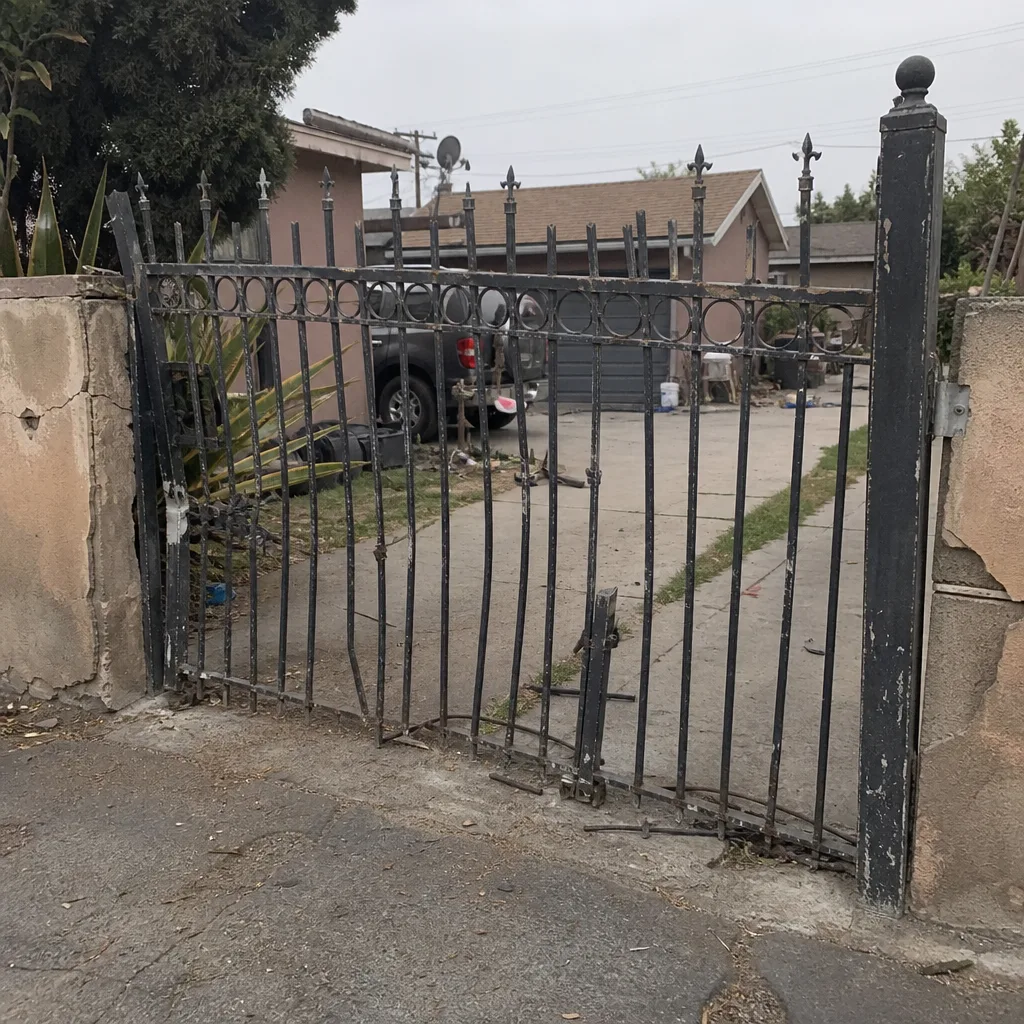 Before
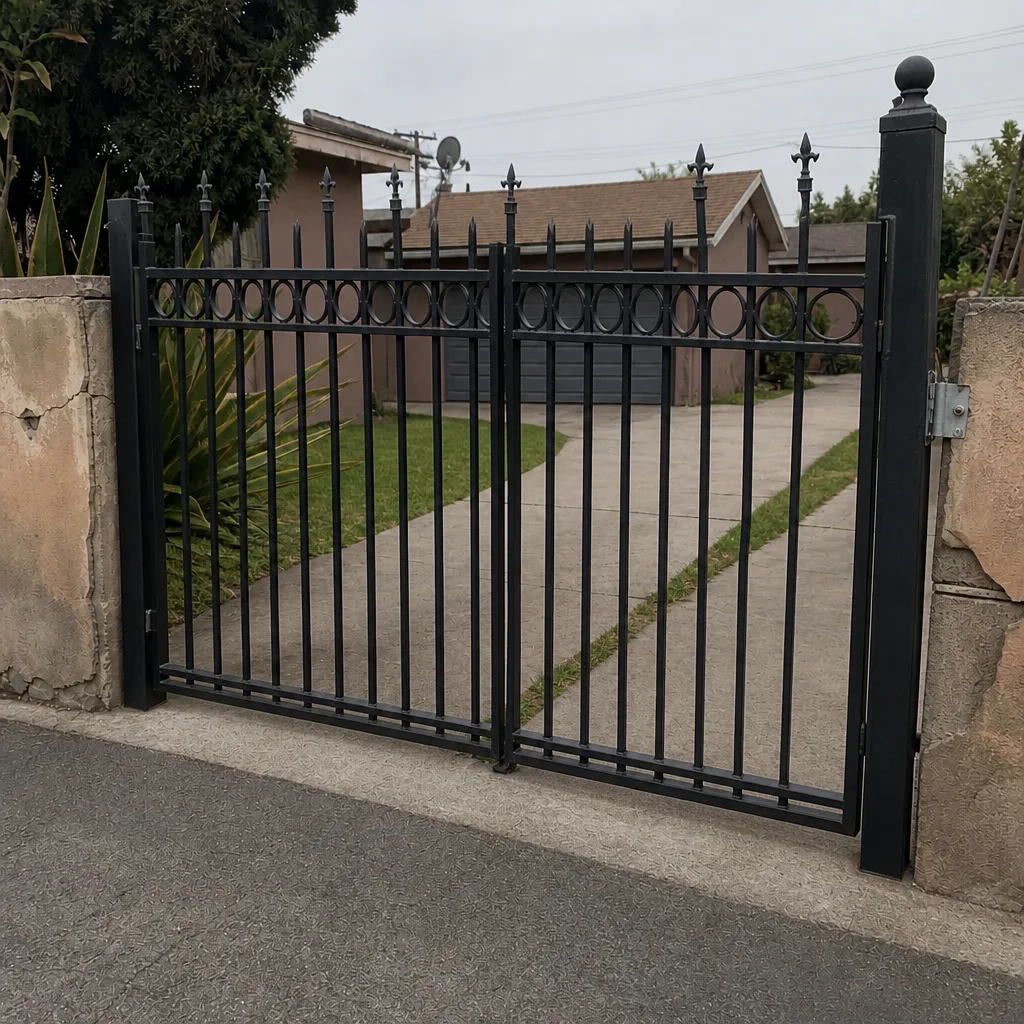 After
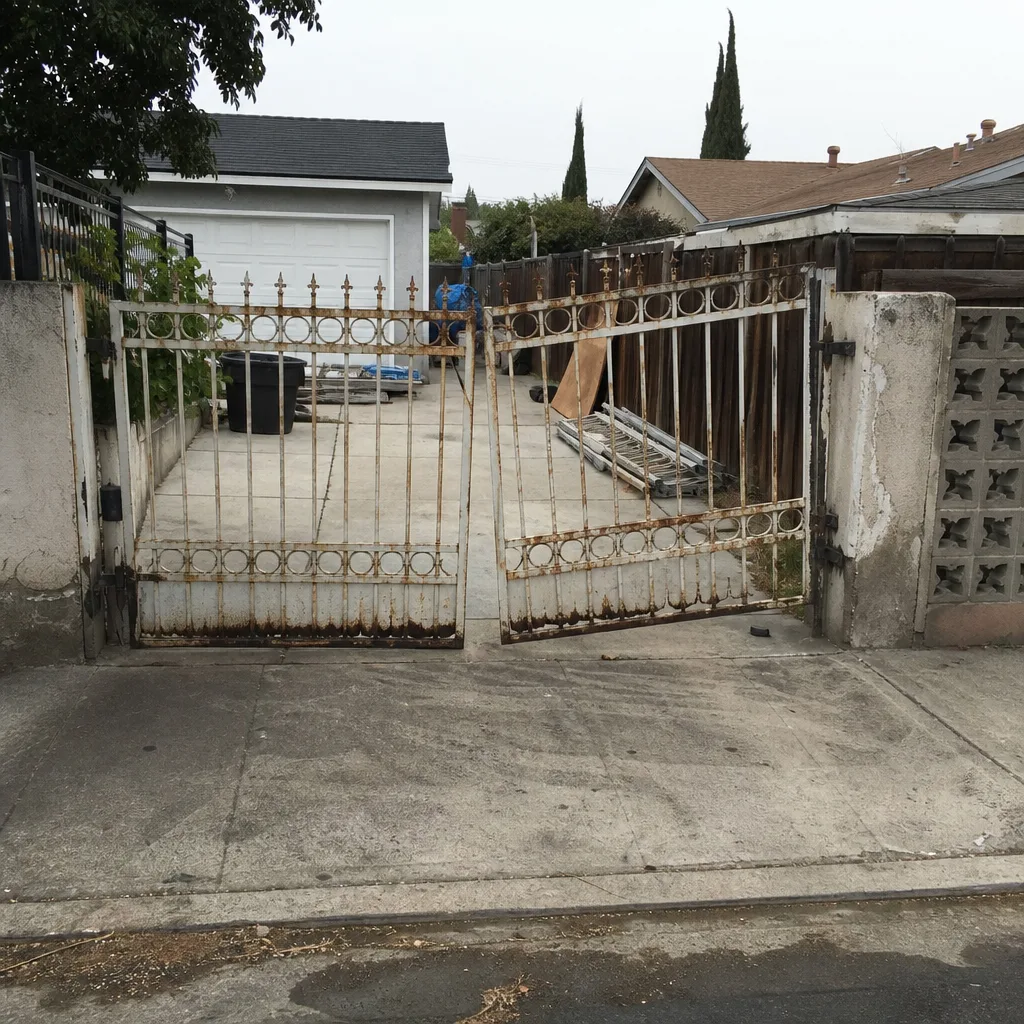 Before
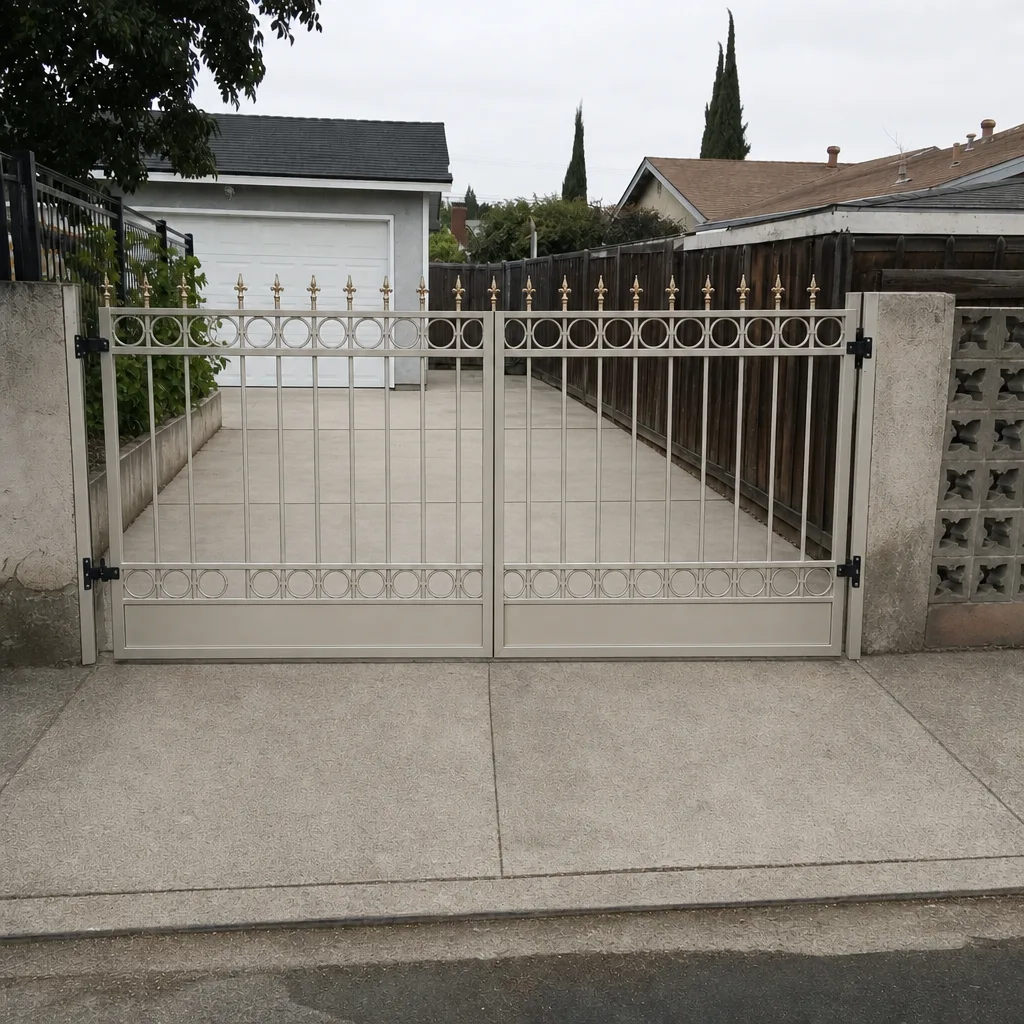 After